

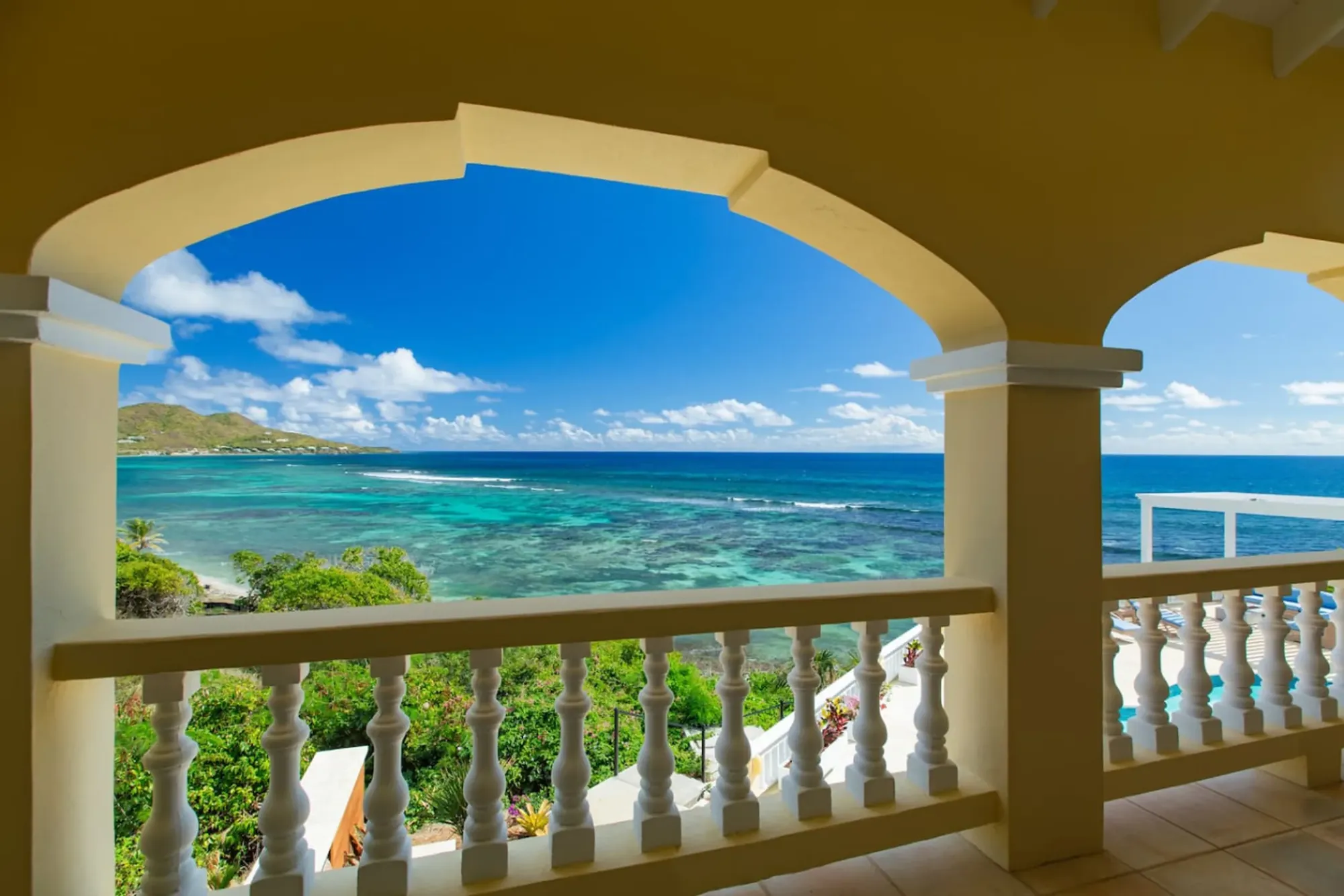
Documents, plugs, phones and money: the domestic checklist
This is the part of packing that a St. Croix trip makes easy, and it is worth saying plainly because people still show up with a passport, a currency pouch and a bag of adapters. U.S. citizens do not need a passport for the U.S. Virgin Islands. The tourism department's FAQ says so directly, adding only that a passport is still the best identification to travel with.
What you do need is TSA-accepted ID: since May 7, 2025, state licenses that are not REAL ID-compliant are no longer accepted at security, per the Port Authority's traveler FAQ, so check the star on your license or bring a passport, passport card or Global Entry card. Our no-passport guide covers the way home, which is a short customs and agriculture check rather than an immigration hall.
Plugs: standard 120-volt current with U.S. outlets, and the tourism FAQ states that no adapters are required. Bring your ordinary chargers and, for a full house, a small power strip, because twelve people charging phones off one kitchen counter is a real thing by the second night. Money: the U.S. dollar and nothing else, mainland cards work as they do at home, and a couple hundred dollars in small bills covers a week of fruit stands, tips and the occasional cash-only truck. Phones: the big carriers have generally treated the territory as domestic, but confirm your own plan the week before, and know that using a handheld phone while driving is illegal here.
The one document that changes your week is your driver's license, because you will drive, and on the left. A mainland license is what the rental agencies want. Book the car before you fly, since East End villas are not walkable to anything and the airport agencies can run short in high season; the driving guide explains left-side habits, the roundabouts and the roads out to the East End. Add a phone mount and a car charger to the list. Keep the paper light: a screenshot of the booking, the villa address, Sterling Point's number and the car confirmation, saved offline, is the whole travel folder. Time on the island is Atlantic Standard year-round, an hour ahead of Eastern in winter and level with it in summer.
Medications and where the pharmacies are
Pack every prescription you take, in the original labeled bottles, with enough for the trip plus several spare days, because a flight cancellation in hurricane season or a lingering extra week is a real possibility here. TSA treats medically necessary liquids, including prescription and over-the-counter medications, as exempt from the 3.4-ounce limit, so insulin, liquid antibiotics and gel ice packs can ride in the carry-on; tell the officer at screening. Keep medications in the carry-on regardless, never in a checked bag that might spend a night in Miami without you.
The island has pharmacies, but not on the East End, and their hours are not mainland hours. Doctors Choice Pharmacy at Sion Farm, beside the Plaza Extra East supermarket in the middle of the island, lists Monday through Saturday 8 am to 6 pm and closed on Sunday, with a note that hours vary on holidays and a request to call ahead. The Medicine Shoppe is in the Sunny Isle Shopping Center nearby; call for its hours. Both are roughly half an hour's drive from the villa, past Christiansted, which is exactly far enough that you do not want to make the trip on a Sunday evening for something you could have packed.
The over-the-counter kit a villa week actually uses is short: an antihistamine and hydrocortisone cream for bites, an anti-diarrheal, a pain reliever, motion-sickness tablets, blister plasters, antibiotic ointment, tweezers, and rehydration salts for whoever hikes to Isaac Bay at noon with half a bottle of water. The villa keeps a first-aid kit, so you are supplementing, not building from scratch. If someone in the party has a specific condition, bring the specific supplies; the pharmacies stock the ordinary things and nothing here is guaranteed to stock the unusual ones. If you use an epinephrine auto-injector or an inhaler, bring two; the nearest replacement is a plane ride away.
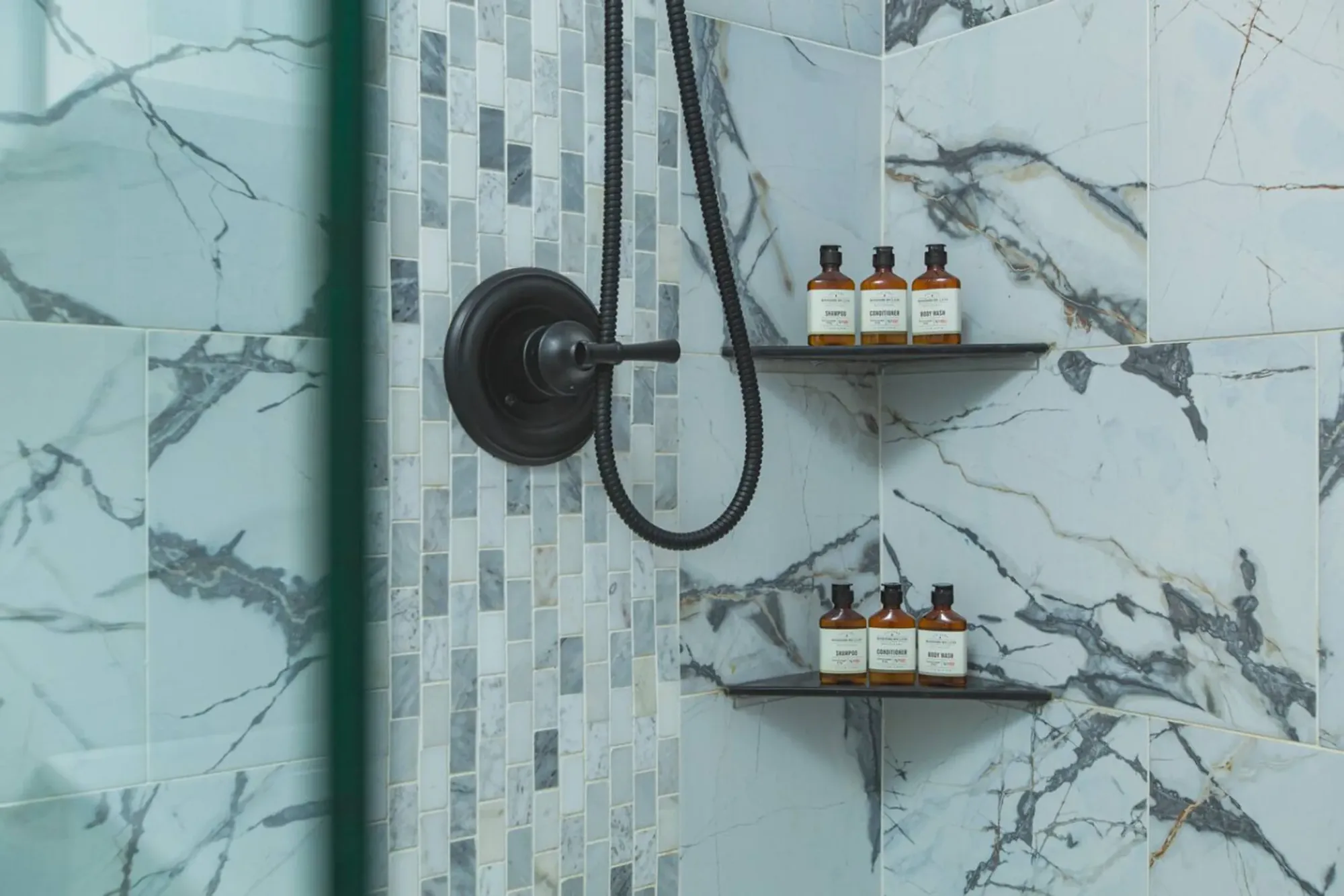
What the villa already provides
Read this section before you pack anything for the house, because most of what people bring for a rental is already here. The listed amenities, which we repeat exactly, start with the kitchen: a chef's kitchen with a kitchen island, a full-size range and oven, a dishwasher, two refrigerators (one per kitchen), an ice maker, a blender and small appliances, coffee and tea, wine glasses, and indoor and outdoor dining. That is a working kitchen for twelve, not a kitchenette with two pans. Leave the coffee maker, the good knife, the corkscrew and the cooler at home.
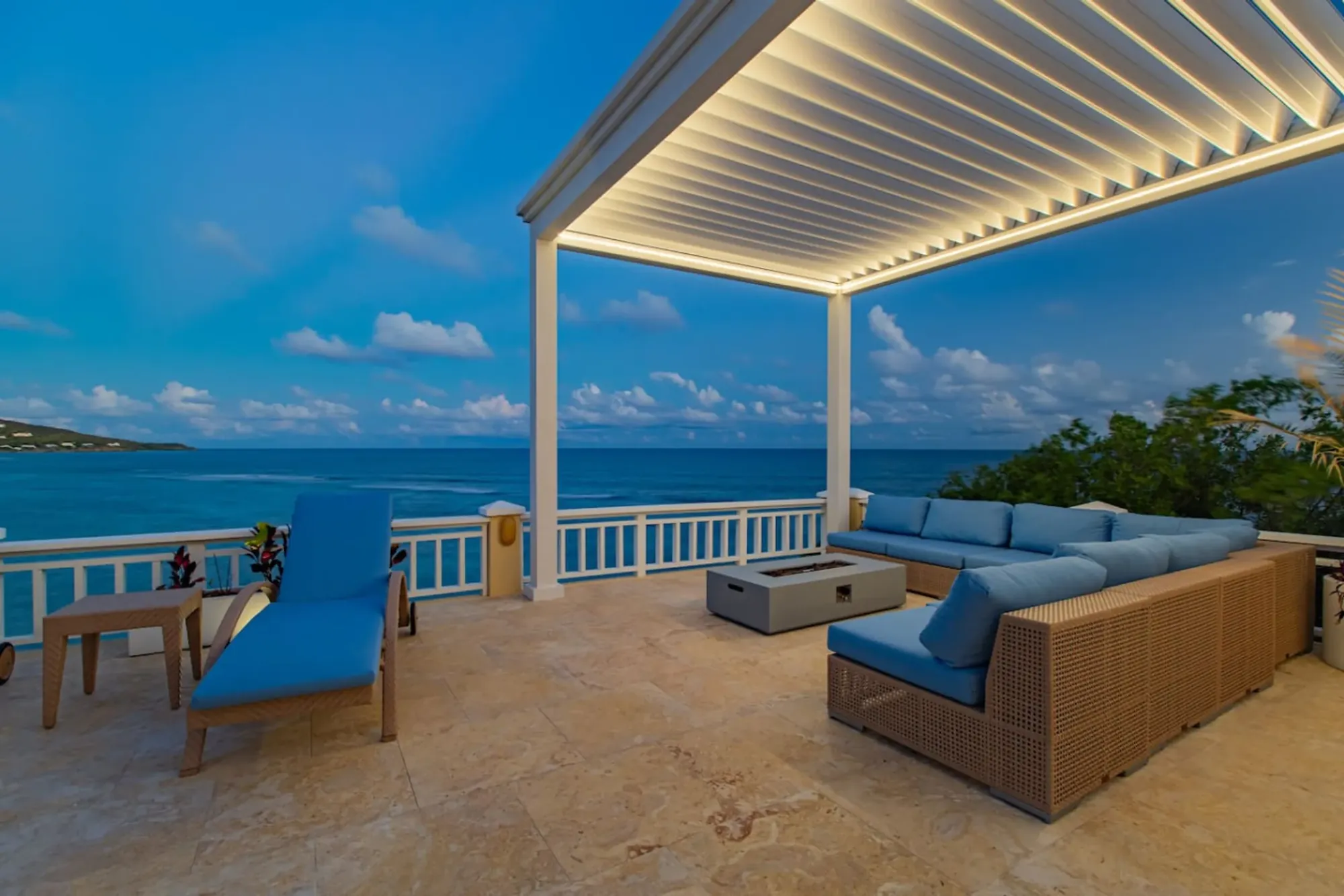
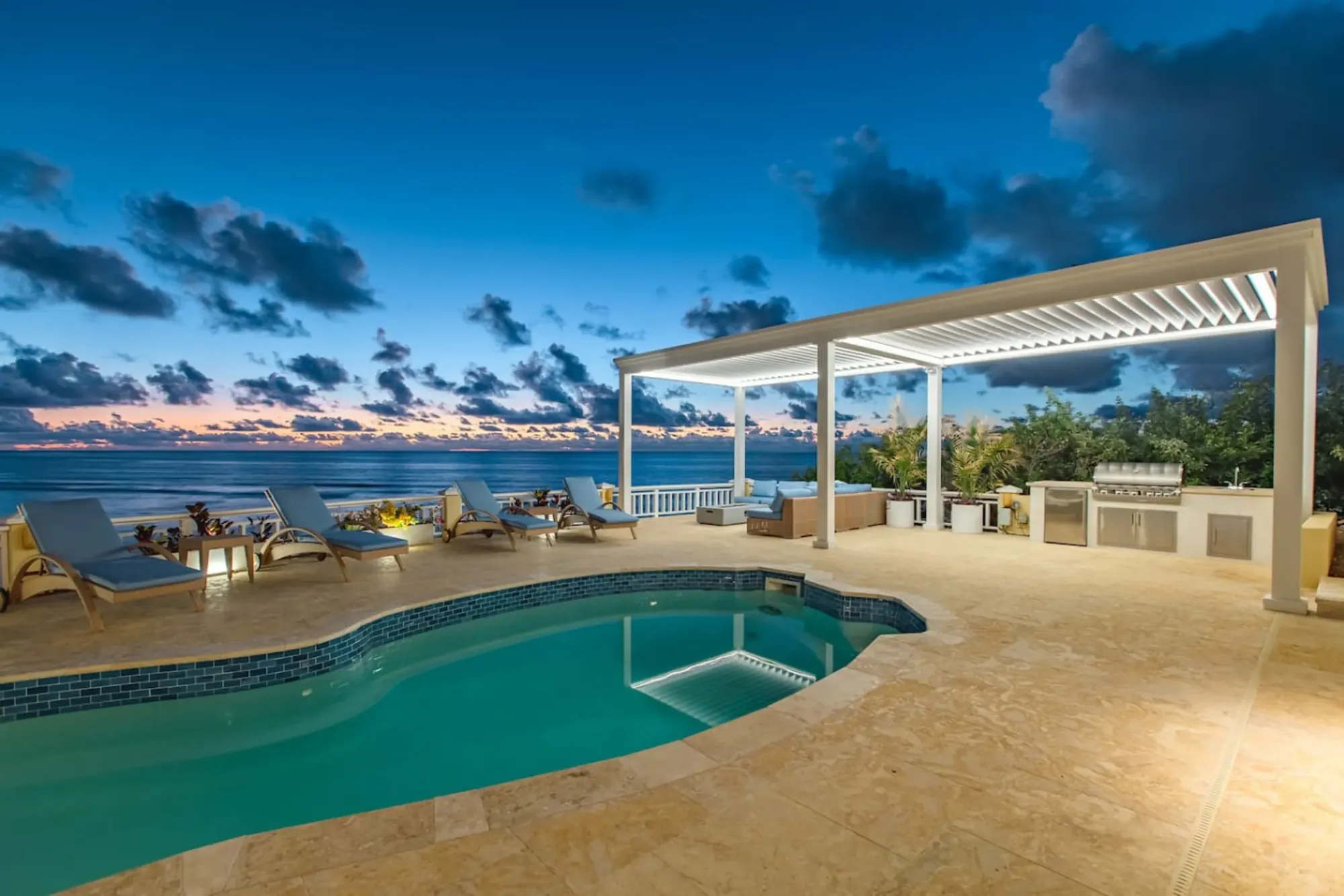
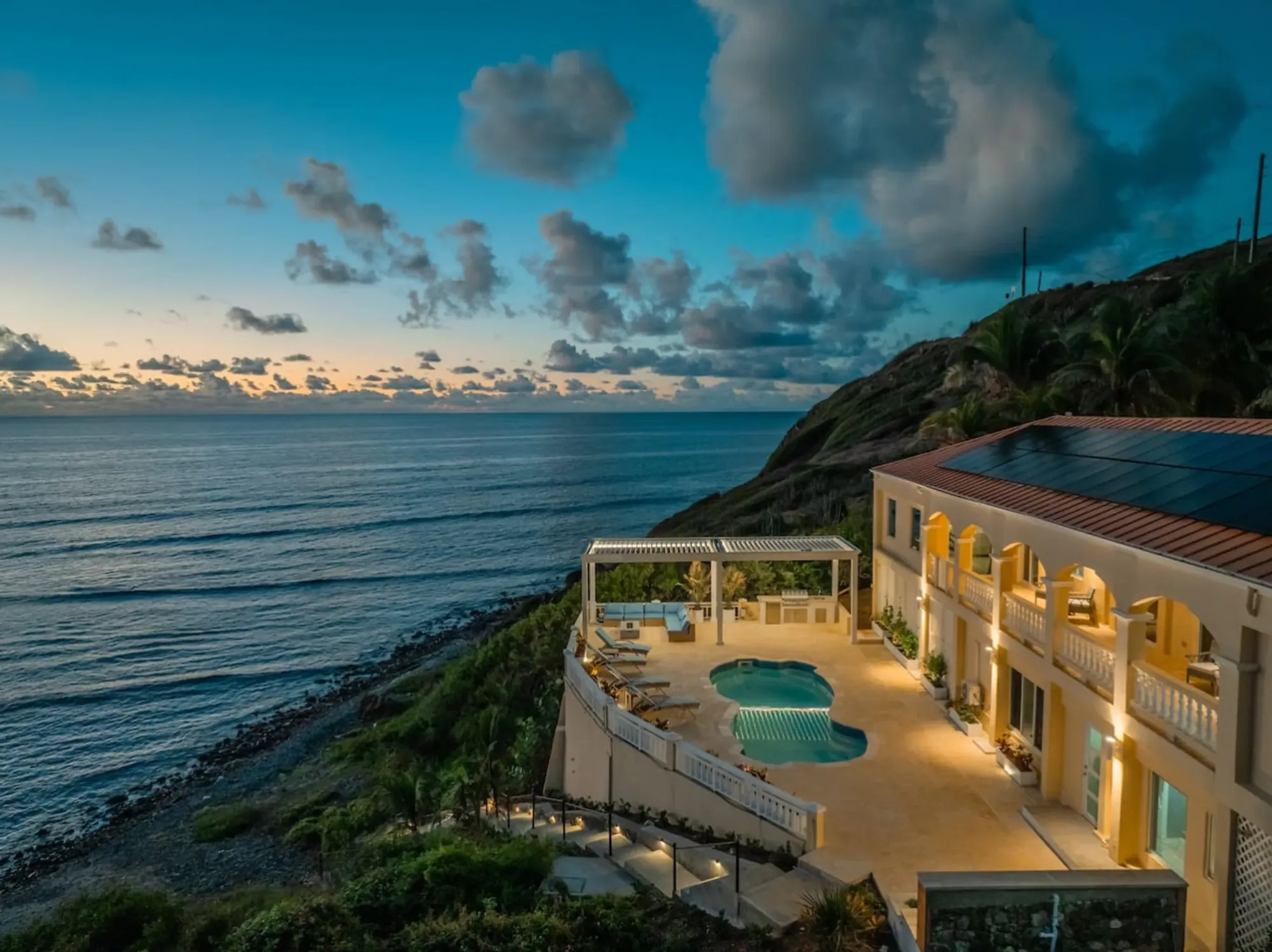
Comfort: air conditioning, ceiling fans, smart TVs, a sound system, high-speed Wi-Fi, a washer and dryer, fresh linens and towels, and en-suite bathrooms. Outside: a private pool with a large deck, sun loungers, covered outdoor seating, an outdoor kitchen, a gas grill, a fire pit and outdoor dining. For families: a high chair and a travel crib, baby gates, and a house the listing calls suitable for children and infants, so the portable crib and the gate stay in the garage at home. Safety and essentials: smoke and carbon monoxide detectors, a fire extinguisher, a first-aid kit, free on-site parking, essentials and toiletries, and cleaning before checkout. The full list is on the amenities page, and it is the list we trust.
Then the services, on request rather than automatic. Provisioning is the one that changes packing most: the kitchen stocked before you land and topped up as you go, which means the sunscreen, the bug spray, the drinking water and the first two nights' dinners can be a list you send rather than weight you carry. Also on request: a private chef for a night or the whole stay, housekeeping, a bartender and setup for an evening, airport pickup and a vehicle for the week, snorkel trips and day sails booked for you, in-villa massage and yoga, and a welcome that's a guided drive to the villa and a full tour by the managers.
What the list does not say is as useful as what it does. It promises linens and towels; it does not itemize beach towels, beach chairs, umbrellas, coolers, hair dryers or snorkel gear. Some of these may well be in the house; we simply cannot promise them from here. So the honest instruction is: ask Sterling Point what is on hand for the beach and the water when you book, then pack around the answer.

The washer and dryer change the math
A washer and dryer are on the amenities list, and that one line should cut your suitcase by a third. Pack for four or five days, not for the length of the stay, and run a load midweek; a family of five can spend a week or two here out of carry-ons, and a group of twelve can stop negotiating over checked-bag fees. Clothes here are light anyway. The tourism department's advice is that cotton is the best choice for staying cool, and light cotton and linen dry fast in the trade wind.
The salt is the reason to use it. Every swimsuit, rash guard and pair of shorts that goes into the sea comes out with salt in the fibers, and salt left in fabric stiffens it, holds damp and shortens its life. Rinse swim gear in fresh water the same evening, then wash it properly every few days, and shake the sand out of everything before it goes into the machine. The dryer also solves the last-day problem: wash the beach clothes on the final morning while you pack the rum, and the suitcase you close is one you can open at home without a face.
What not to bring
Formal wear, first. The tourism department's FAQ describes the dress code in a sentence: dress is casual, but proper attire (shirts and shoes) should be worn in public areas, and bathing suits are worn only at the beach and pool. That last clause is the one to respect: a cover-up or a shirt for the walk into a shop or a lunch counter, then casual for everything else. The island's best waterfront tables in Christiansted are happy with a linen shirt and clean sandals; no jacket, no heels, no tie.
Single-use plastic, second, because the territory got there before most states. The U.S. Virgin Islands banned single-use plastic checkout bags at retail from January 1, 2017, under a law Governor Kenneth Mapp signed in October 2016; stores provide reusable or recyclable paper bags, plastic is still allowed for wrapping prepared food and meat, and biodegradable plastic bags got no exception. So the supermarkets hand you paper or sell you a tote, and a couple of folding totes in the suitcase are worth having for the provisioning runs.
Then, from October 1, 2019, the territory banned the importation, sale, purchase and distribution of disposable plastic drinking straws and plastic tubular stirrers, with exemptions for hospitals, nursing homes, hospices, medical suppliers and anyone whose disability requires one. If you like a straw in your rum punch, bring a metal or silicone one; do not pack a box of plastic ones for the group. The banned sunscreen, obviously, and this is the one where people lose money: a family that lands with four full-size bottles of chemical sunscreen buys four mineral bottles at island prices the first afternoon.
Shells and coral, on the way back: the whole of Buck Island Reef National Monument is no-take, the National Park Service says visitors may not remove anything from it, rocks, shells, plants or artifacts included, and the same courtesy applies to every beach on the island. Photograph it and leave it. Drones, unless you have checked the rules for the parks and preserves you intend to fly over; Buck Island and Salt River are both National Park Service units with their own.
And then the intangible one: a schedule. The East End rewards two plans a day, with the pool, the beach and the terrace filling the middle; guests who arrive with six things a day spend the week in the car. Half of packing well for St. Croix is leaving room in the bag; the other half is leaving room in the week.
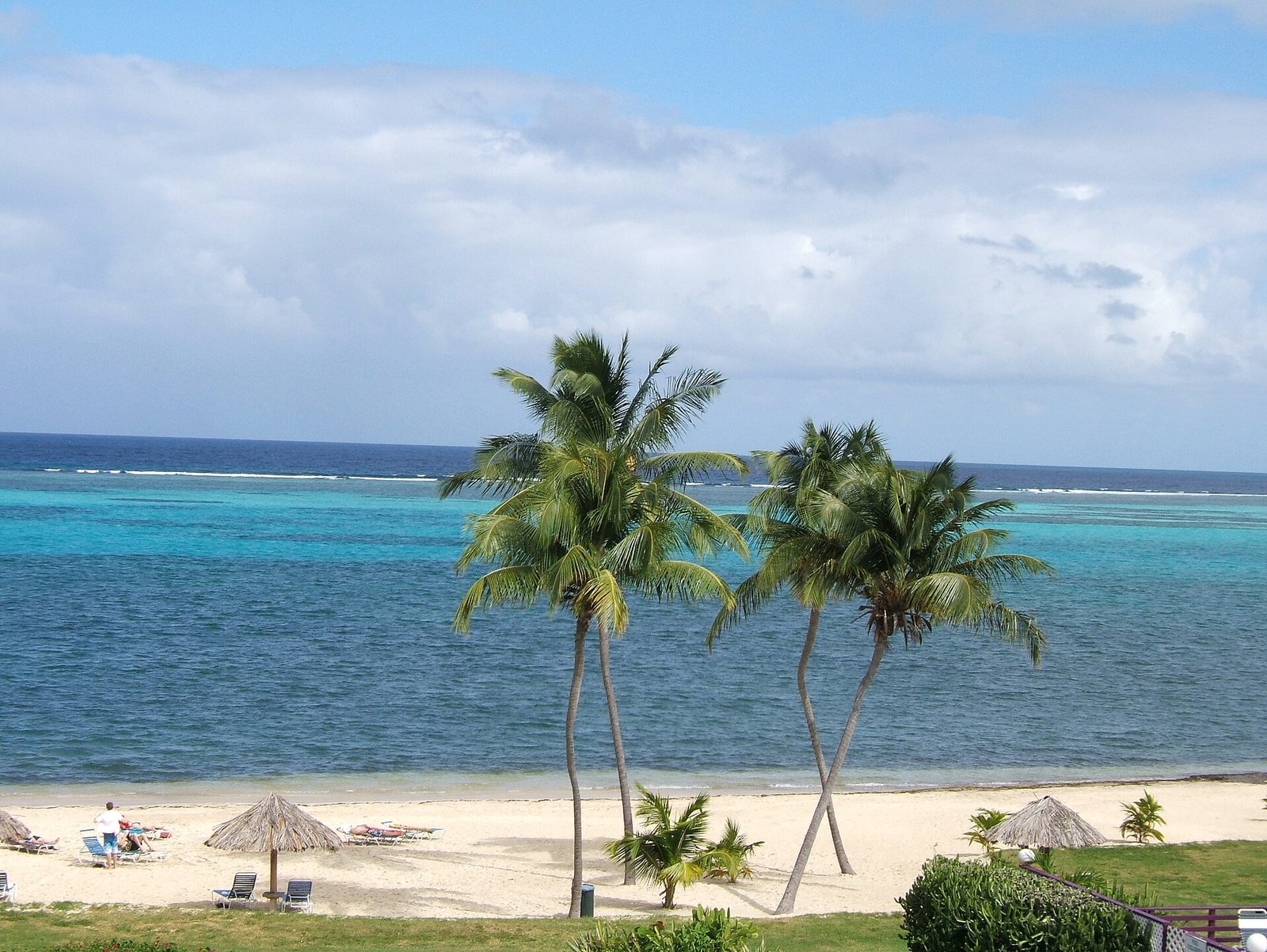
Packing by traveler: families and couples
Families with young children pack the most and need the least, because the villa has done the heavy lifting: the high chair, the travel crib and the baby gates are on the amenities list, so the bulky baby gear stays home. What to bring instead is the small water kit. A swim vest per child who is not yet a confident swimmer, and a rash guard, a strapped hat and water shoes for each of them, because rocky entries and urchins do not care about age.
A mineral sunscreen stick for faces, which children tolerate better than lotion, and a spray of the same actives for reapplication after every swim. A child-size mask if you can, since rental racks are sized for adults, a dry-top snorkel, and a couple of sand toys, which weigh nothing.
Then the comfort items that make a strange house feel like theirs: a night light for the hallway, a familiar cup, the book that gets read every night, and snacks for beach walks and boat rides, since the preserve beaches have no services. If you need a car seat, most U.S. airlines check one at no charge, but confirm with yours, and ask the rental agency about seats when you book. Our St. Croix with kids guide matches beaches to ages; the answer for toddlers is Chenay Bay, which needs nothing more than the vest and the hat.
Couples pack lightest of all, and should. Two swimsuits and two rash guards each, three light shirts, shorts, one pair of long light trousers or a dress for dinner, one light layer for the veranda breeze, sandals, water shoes and trail shoes. A real hat each with a strap. A mask each. A book each, and one you will actually read on the terrace lounge rather than the one you think you should. The one thing couples forget is the sunrise: the villa faces east, sunrise views are on the amenities list for a reason, and the East End's classic dawn spot at Point Udall is minutes away. Set an alarm one morning, bring the light layer and a thermos of the villa's coffee, and a camera that is not a phone if you own one.

Packing by traveler: groups of twelve, divers and photographers
A group of twelve is a logistics problem before it is a holiday, and the packing fix is a shared list. Decide in the group chat who brings the shared things so nobody brings them four times: one person the card games, one the waterproof speaker for the beach steps, one the spare chargers and a power strip, one the folding totes and the reusable straws. Everyone brings their own mask, hat, water shoes and rash guards; those do not share well.
Send the concierge one consolidated grocery and drinks list for provisioning before you land, and agree the coffee plan, since the house supplies coffee and tea but not the argument about how strong. The guest cottage has its own kitchen, so the grandparents or the couple with the baby can keep their own breakfast rhythm.
Divers bring more and rent the rest. Carry the certification card and logbook (or the app), a dive computer, your own mask and, if you are particular, your own regulator; tanks and weights are rented from the island's shops, and Cane Bay Dive Shop and others list gear rental alongside their boat and shore dives. Bring the dive insurance card, a save-a-dive kit and a mesh bag for the wet gear. Plan the last dive with the flight home in mind and follow your training agency's guidance on the surface interval before flying; the wall off Cane Bay and the pier at Frederiksted are on the north shore and west end, so budget the cross-island drive. The wall guide lists the operators.
Photographers pack for salt and light. A circular polarizer is the single most useful filter here; it cuts the glare off the water and lets the reef show through from the terrace and the boat. Bring lens cloths in quantity, because salt spray coats glass within an hour on the East End, and a dry bag with silica packets for boat days. Extra batteries, since heat and constant use drain them, and a small tripod for Point Udall at dawn and the fire pit after dark. A phone housing or a cheap action camera for the reef, with a lanyard. Drone pilots should check the rules before flying near the parks. The photography spots guide has the sunrise timings and the vantage points.
| Traveler | Add to the standard list | Leave at home |
|---|---|---|
| Families with young children | Swim vests, kids' rash guards and water shoes, sunscreen stick, child-size mask, night light, snacks | Travel crib, high chair, baby gates (the villa lists all three), sand toys by the bagful |
| Couples | A real hat each, a mask each, a book each, one nice-casual outfit, a light layer for the veranda | Formal wear, a second pair of dress shoes, a rigid itinerary |
| Groups of twelve | One shared list: games, a waterproof speaker, a power strip, folding totes, reusable straws | Duplicates of everything, a box of plastic straws, a coffee maker |
| Divers | Cert card, computer, own mask and regulator, insurance card, save-a-dive kit, mesh bag | Tanks and weights (rent on island), a thick cold-water wetsuit |
| Photographers | Polarizer, lens cloths, dry bag with silica, extra batteries, small tripod, phone housing | A drone you have not checked the park rules for, gear you will not carry to Isaac Bay |
Carry-on or checked, and the rum coming home
The split is simple once you know the rules. In the carry-on: every medication, the mask, one swimsuit and one rash guard (so a lost bag costs you nothing on day one), the chargers, the hat, and any sunscreen and toiletries in containers of 3.4 ounces or less inside the one quart bag TSA allows per passenger. In the checked bag: the full-size mineral sunscreen, the fins, the trail shoes, the dry bag, the bug spray and everything else. A group on the washer-and-dryer plan can do the whole trip on carry-ons and one shared checked bag for the bulky water gear, which is also the bag that comes home heavier.
It comes home heavier because of the customs rule, which is real and generous. Under the federal exemption for U.S. insular possessions, a returning resident may bring back $1,600 in goods duty-free from the U.S. Virgin Islands, double the usual figure, and the Port Authority's traveler FAQ says U.S. citizens, including children, get it every 30 days. Within that, CBP allows up to five liters of alcohol duty-free provided at least four were bought in the territory and at least one is a product of it; the Port Authority phrases it as four liters plus a fifth if it is made in the USVI. Cruzan is distilled on St. Croix, so the fifth liter is not hard to arrange. The duty-free guide works the numbers.
The packing consequence is to leave room and weight. Liquor over 3.4 ounces cannot fly in a carry-on, so bottles go in checked luggage, boxed and wrapped in the beach clothes you have already washed; ask the liquor store for a box, and check your airline's rules on alcohol in checked bags before you buy a case. Five liters is a lot of glass, so a bag that left home at the limit will not make it back. A cheap folding duffel packed flat in the suitcase on the way down is the classic solution, and it doubles as the beach bag all week.
Keep the receipts in one envelope for the officer at the gate; most people are far under the line, and the question takes a moment. The night before you fly down, run the routine below.
The 24 hours before you fly to St. Croix
- Turn over every sunscreen bottle and read the actives
- anything listing oxybenzone, octinoxate or octocrylene stays home.
- Decant carry-on liquids to 3.4 ounces or less in one quart bag
- full bottles go in the checked case
- medications, in original containers, go in the carry-on.
- Check every adult's ID: a REAL ID-compliant license, or a passport, passport card or Global Entry card.
- Send the concierge the provisioning list (sunscreen, drinking water, the first two dinners) and ask what beach and snorkel gear is on hand.
- Save the booking, the villa address, Sterling Point's number and the car confirmation offline, and download the island map.
- Charge everything, pack one power strip, and leave the adapters in the drawer.
- Weigh the checked bag with room to spare, and pack a folding duffel flat: the rum comes home in it.
The agriculture inspection when you leave
The departure from St. Croix has one step that surprises first-time visitors, and it affects what you pack on the last morning. The mainland's farms are protected from Caribbean pests by an inspection line drawn around Puerto Rico and the U.S. Virgin Islands, enforced at the airport by APHIS, the Department of Agriculture's Animal and Plant Health Inspection Service. Its traveler page is blunt: you must present all food, plants and other agricultural items to the USDA inspector at the airport before you leave, and if an item is generally allowed the inspector examines it for pests before you fly.
The same page says APHIS prohibits or restricts many agricultural products from the territory to the mainland, including most fresh fruits and vegetables and certain plants such as flowers, and that all fresh fruits and vegetables are prohibited except those on its allowed list. The rule of thumb for a villa week is that the fresh things you enjoyed on the island stay on the island. The mangoes from a roadside stand, the limes left from the provisioning, the pineapple that was going to be a gift: leave them in the villa kitchen for housekeeping or the next guests. Plants in soil, cut flowers and seeds are restricted too.
What travels without drama is the boring category: sealed dry goods, canned or thoroughly cooked food, coffee, hot sauce, spices in jars, and rum, which is a customs question and not an agriculture one. The sequence at the airport: agriculture screening of your bags first, then the airline counter, then TSA, then a short exchange with a Customs and Border Protection officer at the gate about citizenship and purchases. Budget about two hours, more on a peak Saturday, and take the fruit out of the bags before you leave the villa.
If you are unsure about something, a jar of local honey, a bag of dried bush tea, declare it and let the inspector decide; a declared item that is prohibited is simply taken, an undeclared one is where penalties start. So do not buy the produce gift on the last day. Buy the bottle, the hot sauce or the hook bracelet instead, and let the last of the fruit go into the villa's blender for a final breakfast on the deck.