

Who is allowed to take you
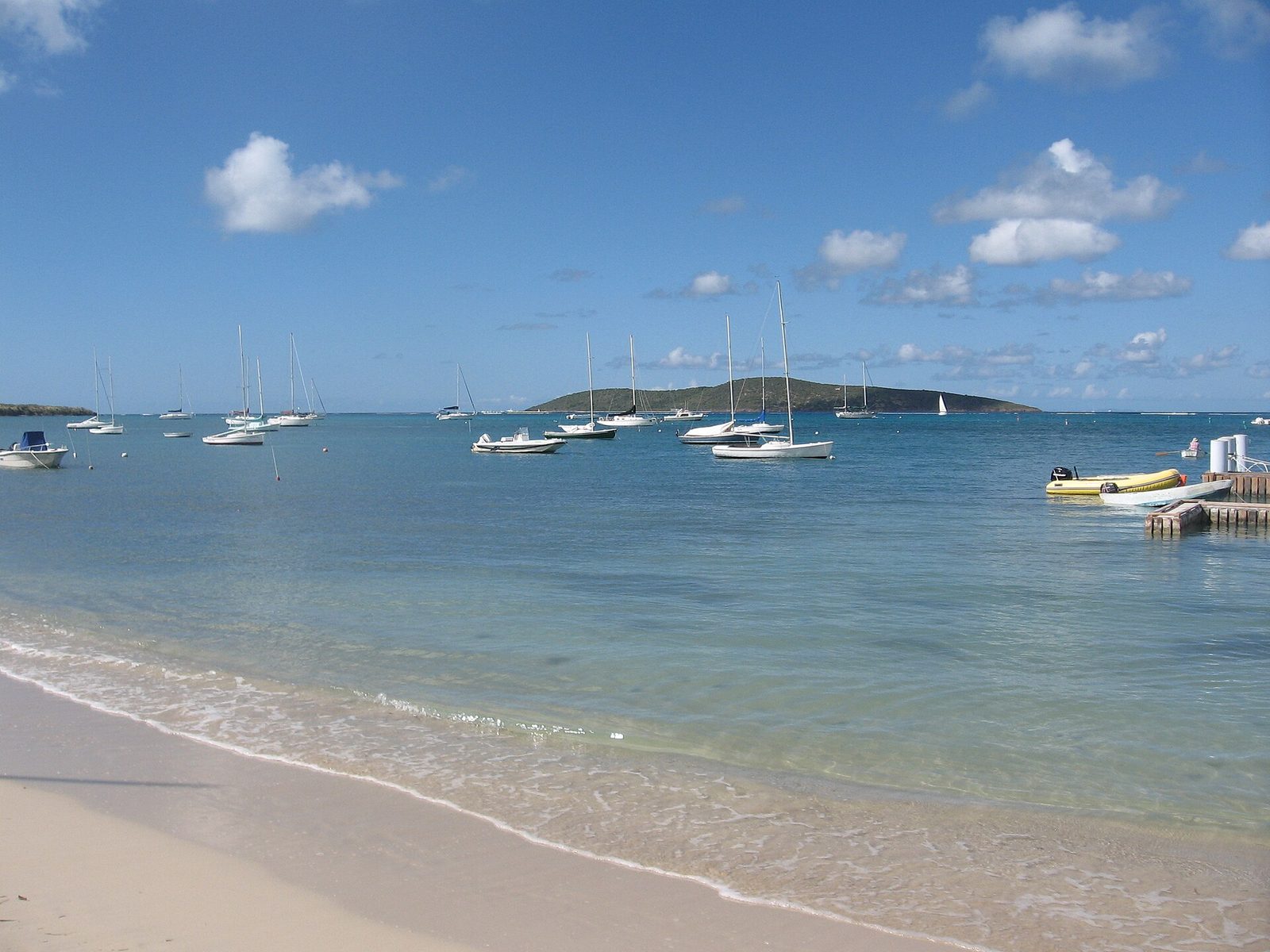
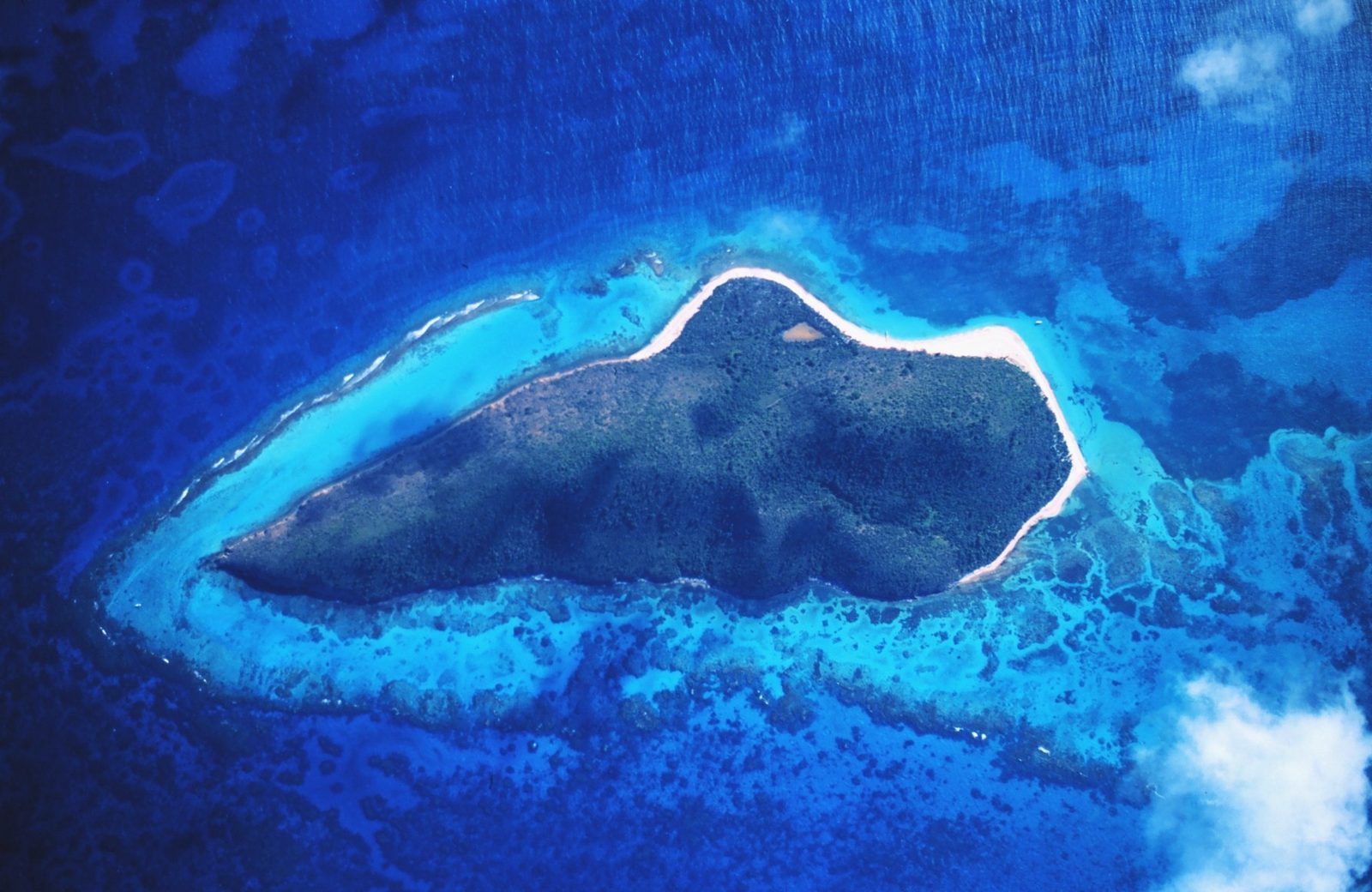
Landing at Buck Island is restricted to boats holding NPS concession authorization, plus private vessels with a park permit. That is not a soft rule; it is how the park keeps a 176-acre island from being loved to death. The NPS directions page names five operations, each with its own departure point on St. Croix, and every one of them is a real, running business as of this writing — we have listed and checked them in the villa directory. Depending on how you count Teroro II and Dragonfly, which are two boats under one operator, that is five operations or six boats.
The Christiansted trio first. Big Beard's Adventure Tours sails from downtown Christiansted, by the boardwalk, on 42-foot catamarans (Renegade and Adventure); it runs a sailing full day and a power-cat half day and is the operator most first-timers end up on. Caribbean Sea Adventures boards at King's Wharf on the same waterfront and runs a six-boat fleet — the power catamaran Celebration is its Buck Island workhorse, with sunset sails and sportfishing on the side. Jolly Roger Charters is Captain Mike's 42-foot catamaran, moored in Christiansted harbor, running half and full days plus private charters that, by his own billing, do not overbook.
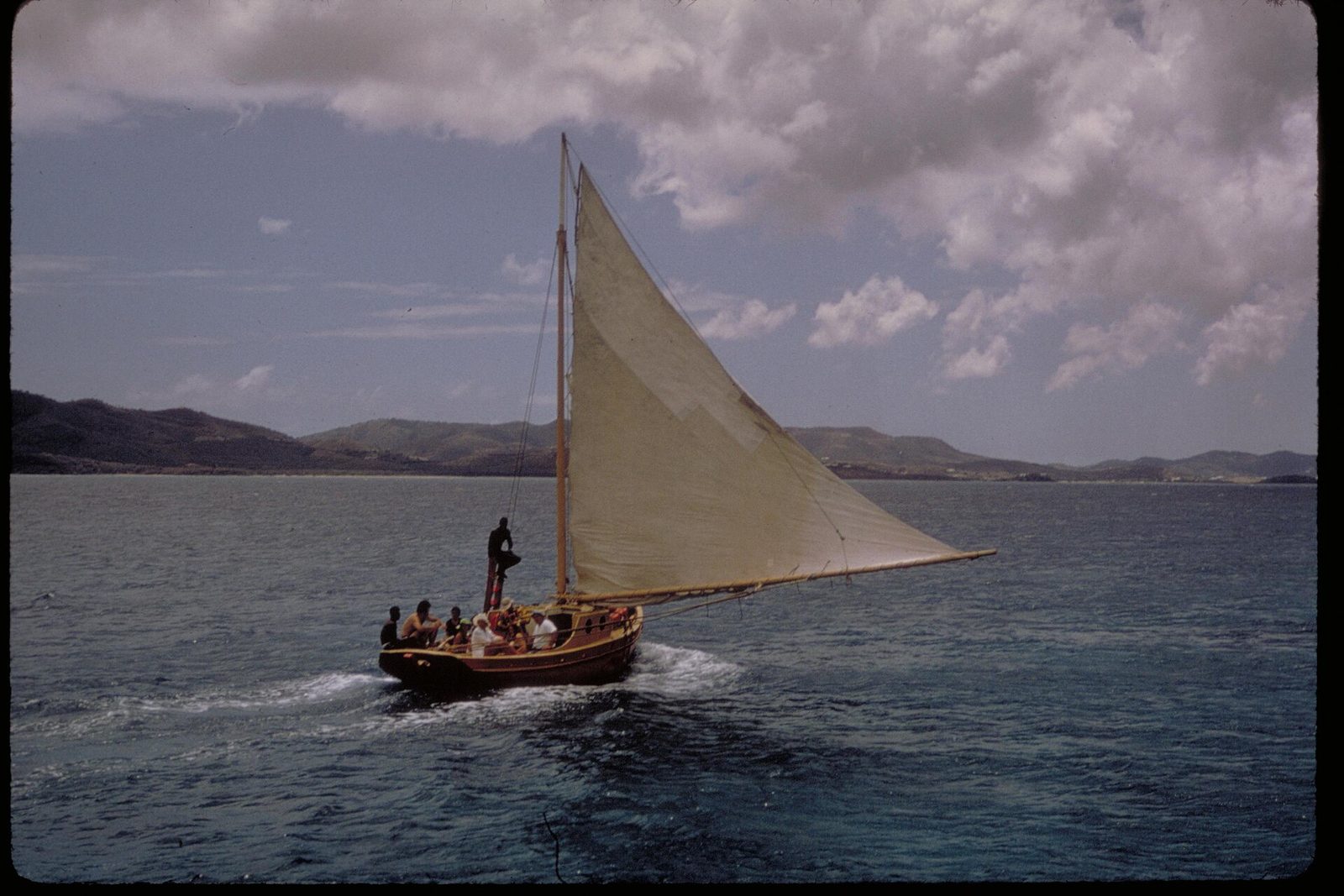
The East End pair is what makes this guide different from the ones written for cruise passengers. Teroro II and Dragonfly — Buck Island Charters, Captains Heinz and Carl — leave from Green Cay Marina, the "H" dock at Tamarind Reef Resort about three miles east of Christiansted on Route 82. Teroro II is a 42-foot trimaran taking up to 24 guests; Dragonfly is a 38-foot trimaran taking up to 8 on exclusive charters only. And Llewellyn's Charters sails from the St. Croix Yacht Club at Teague Bay, further east again: Llewellyn Westerman, a calypso recording artist who has been sailing to Buck Island since 1960, takes six passengers at a time aboard Charis+, a 37-foot locally designed and built performance trimaran.
Which one is right depends on where you are staying, how many you are, and whether you want a motor or a sail. The table below is a snapshot; phone numbers come from the NPS concessioner list, prices from the operators' own pages, and all of it should be confirmed the week you book. Every one of these captains can also be booked through the villa's concierge, which is the simplest route when you are twelve people trying to agree on a date.
| Operator | Departs from | Boat(s) | Trips | Rough price (2026) |
|---|---|---|---|---|
| Big Beard's Adventure Tours | Downtown Christiansted (boardwalk) | 42-ft catamarans Renegade, Adventure | Full day (sail, ~6 hr), half day (power, ~3.5 hr), sunset | ~$135 full, ~$95 half |
| Caribbean Sea Adventures | King's Wharf, Christiansted | Power cat Celebration + 5 others | Half and full days, private charters, sunset | Not published — call |
| Jolly Roger Charters | Christiansted harbor mooring | Captain Mike's 42-ft catamaran | Half and full days, private | Not published — call |
| Buck Island Charters (Teroro II, Dragonfly) | Green Cay Marina, East End | 42-ft trimaran (24 pax), 38-ft trimaran (8, private) | 9 am–2 pm standard trip, occasional sunset trips, private charters | ~$105 adult, ~$85 child, charters from ~$1,200 |
| Llewellyn's Charters | St. Croix Yacht Club, Teague Bay | 37-ft trimaran Charis+ (6 pax) | 9–1, 1:30–5:30, or 9–3 sails | Not published — call 340-773-9027 |
Sail or motor, half day or full
The NPS puts the crossing at "between 40 minutes to 1 1/2 hours, depending on whether you sail or motor to the park, and the weather." That single sentence is most of the decision. A power catamaran from Christiansted gets you to the lagoon fast and flat; a sailing trimaran from the East End takes longer and is a nicer way to spend the time, with the trade wind on your face and no engine noise. If anyone in your party is prone to seasickness, faster and shorter usually wins; if the crossing is part of the point for you, take the sail.
Half-day trips are snorkel-first: out, the trail, a swim, back. Big Beard's half day runs about three to three and a half hours on the power cat, listed at around $95 per adult as of 2026. Full days add Turtle Beach and lunch: Big Beard's full day is about six hours on the sailing catamaran Renegade at around $135, and the beach barbecue is what people remember. Caribbean Sea Adventures and Jolly Roger run both formats; their current prices are not on their pages, so call. Buck Island Charters' standard Teroro II trip is a five-hour morning — check-in 8:45, sail at 9, back around 2 — that gives roughly an hour on the underwater trail and an hour and a half to two hours at Turtle Beach, listed at $105 for adults, $85 for children 11 and under, free under 2. Llewellyn's sells three windows: 9 to 1, 1:30 to 5:30, or 9 to 3.
Our advice, for what it is worth: with children or first-time snorkelers, take a full day or the Teroro II morning. The half day is efficient but the beach hour is what turns a good snorkel into a good day, and children who have just been face-down over coral for forty minutes need sand and a sandwich. Couples who snorkel a lot and want the reef more than the beach can do the half day and be back on the villa's pool deck by early afternoon.
Whatever you choose, book a morning boat. The NPS weather page warns of surf and crosscurrents that build with the wind, and on this coast the wind generally rises through the day; the early lagoon is calmer and clearer, and the light on the elkhorn is better before noon. Sunset trips exist (Teroro II runs them occasionally, from 2 pm; Big Beard's sunset cruise is a two-hour harbor sail, not a Buck Island landing), but the reef itself is a morning place.
Bringing your own boat
You may visit on a private vessel, but only on the park's terms. The NPS requires an annual permit for all vessels — "including those entering the lagoon to access the underwater trail moorings or to scuba dive" — and applications go through CHRI_Permits@nps.gov, with about five business days to process. Anchoring is restricted to the West Beach anchoring area, and a private operator "must obtain an anchoring permit from the National Park Service headquarters in Christiansted prior to anchoring." Everywhere else you use a park mooring or you keep moving.
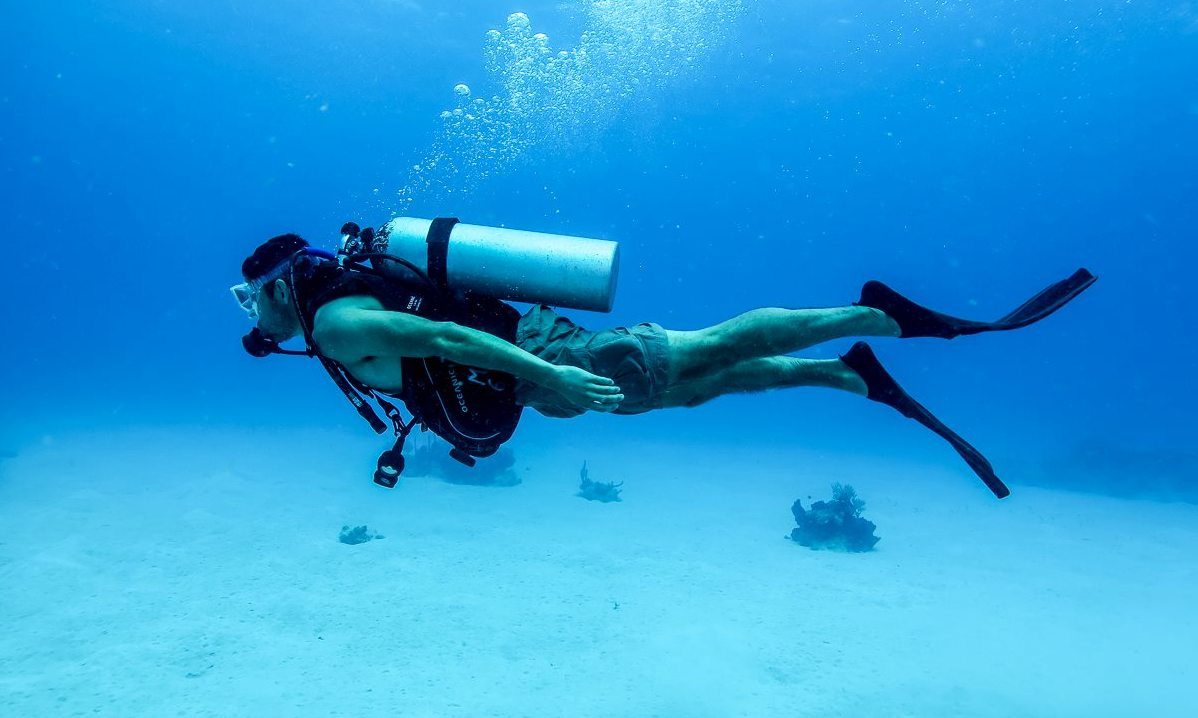
The practical rules follow from that. Vessels over 42 feet are not permitted in the lagoon, so a larger boat anchors off West Beach and sends a dinghy or swimmers to the trail moorings. Scuba is allowed only at two designated moorings, and those are 30-to-40-foot dives — not the wall. Hours are 7 am to 5 pm, there is no fee to enter, and there is no overnighting: the island is closed at night for the turtles, and camping is not allowed. The park headquarters is at 2100 Church Street, Suite 100, Christiansted, phone (340) 773-1460, and the visitor contact station is at Fort Christiansvaern.
Should you bother? For most villa guests, no. A bareboat charter for one day at Buck Island means the permit paperwork, the mooring rules, the 42-foot limit, and a captain who has never read the lagoon before, against five operators who go every day and know where the turtles were yesterday. The exception is a group that already has a boat and captain for the week — in which case the permit is straightforward, and the anchorage off Turtle Beach is a fine place to spend a lunch hour.
One thing the rules do not change: the no-take law applies to private boats exactly as it does to the concessions. No fishing rods out on the passage inside the boundary, no lobster, no anchoring on anything but sand in the designated area. Rangers do patrol; the fines are not the point, the reef is.
If you are taking your own boat
- Email CHRI_Permits@nps.gov for the annual vessel permit at least five business days out — earlier in high season.
- Get the anchoring permit from park headquarters in Christiansted before you go
- anchoring is only allowed off West Beach.
- Check your length: boats over 42 feet cannot enter the lagoon and must use the West Beach anchorage.
- Use the trail moorings in the lagoon and the two scuba moorings for diving
- never drop an anchor on coral.
- Be out by 5 pm — the monument is day-use only and closed at night for nesting turtles.
The rules, and the sunscreen law
Most of the rules come down to one idea: leave it exactly as you found it. Nothing is removed from the monument — not a shell, not a piece of dead coral, not sand. Nothing is touched under water. Fishing of any kind, anywhere inside the 19,000 acres, is prohibited. Anchoring is only where the park says. The trail is closed from sunset to sunrise and the island from 5 pm to 7 am. Snorkel with a buddy, stay in front of the moored boats, and follow the crew; the NPS also warns plainly about hazardous surf and crosscurrents and says not to swim alone.
Then there is the sunscreen, which catches people out because it is a law and not a suggestion. The Virgin Islands' Act 8185, signed by Governor Albert Bryan Jr. and passed by the legislature unanimously, banned the importation, sale and distribution of sunscreens containing oxybenzone, octinoxate and octocrylene — the "toxic three Os." Retailers were barred from receiving shipments after September 30, 2019, and the full ban took effect on March 30, 2020. The territory cited scientific evidence, including from NOAA, that oxybenzone harms coral and reef health.
What that means for you: bring mineral sunscreen — zinc oxide or titanium dioxide — or buy it on island, where the shops sell compliant bottles. Read the label at home; a lot of mainland "reef-friendly" marketing still hides octocrylene in the fine print. Better yet, cover up. A long-sleeve rash guard, a hat for the boat and the beach, and sunscreen only on face, neck and the backs of your legs is how the crews do it. You are on the water from mid-morning to mid-afternoon at 17 degrees north; the sun is the real hazard of the day.
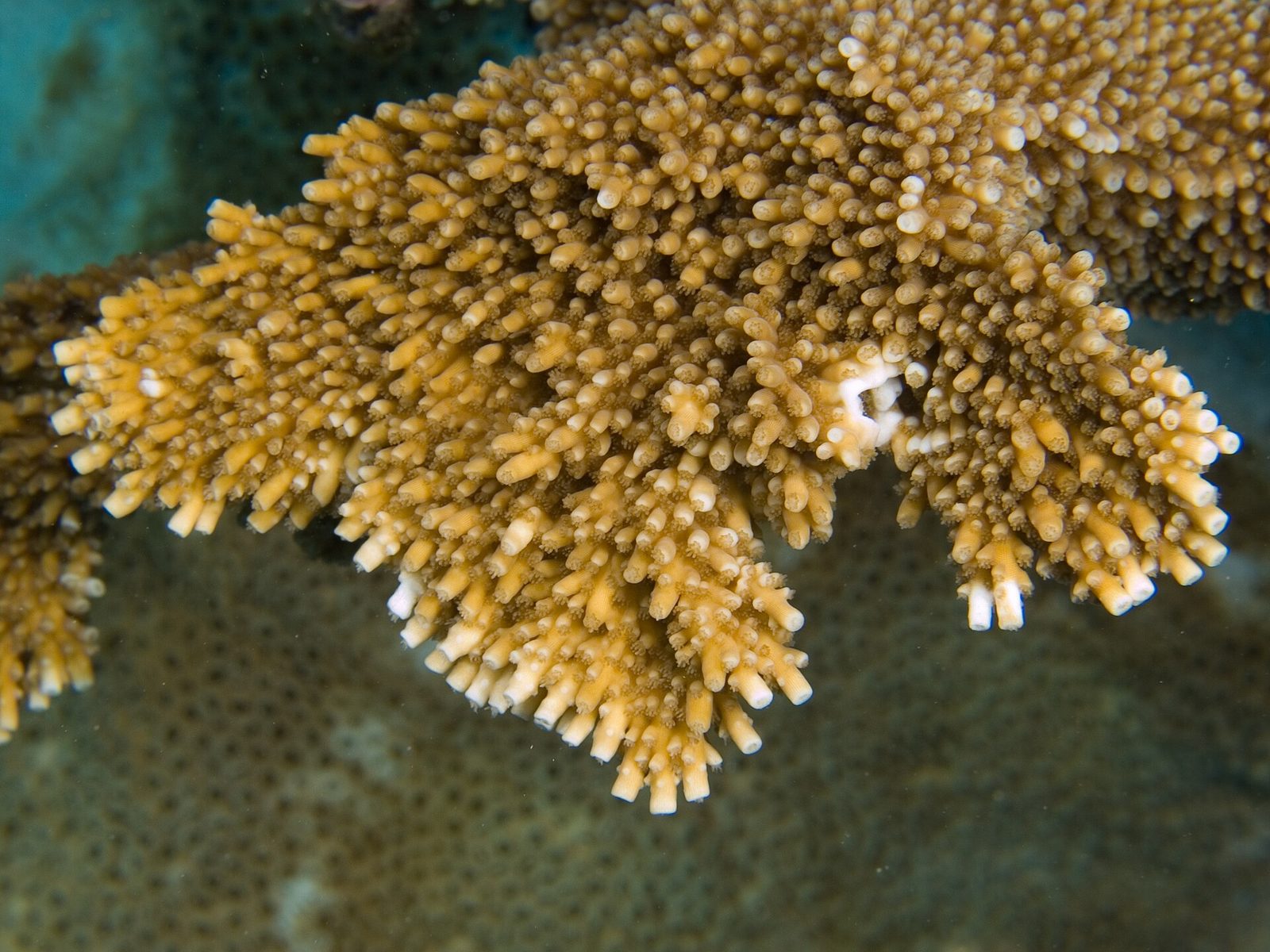
The rest is manners. Do not chase or ride turtles, do not feed fish, do not stand up on the reef to fix your mask — swim to sand or the boat. Wear fins carefully in the shallows; a fin kick breaks elkhorn as surely as a hand does. And keep the volume down at Turtle Beach — sound carries across the anchorage, and the pelicans nesting on the island are there from June through March.
Turtles, pelicans and terns
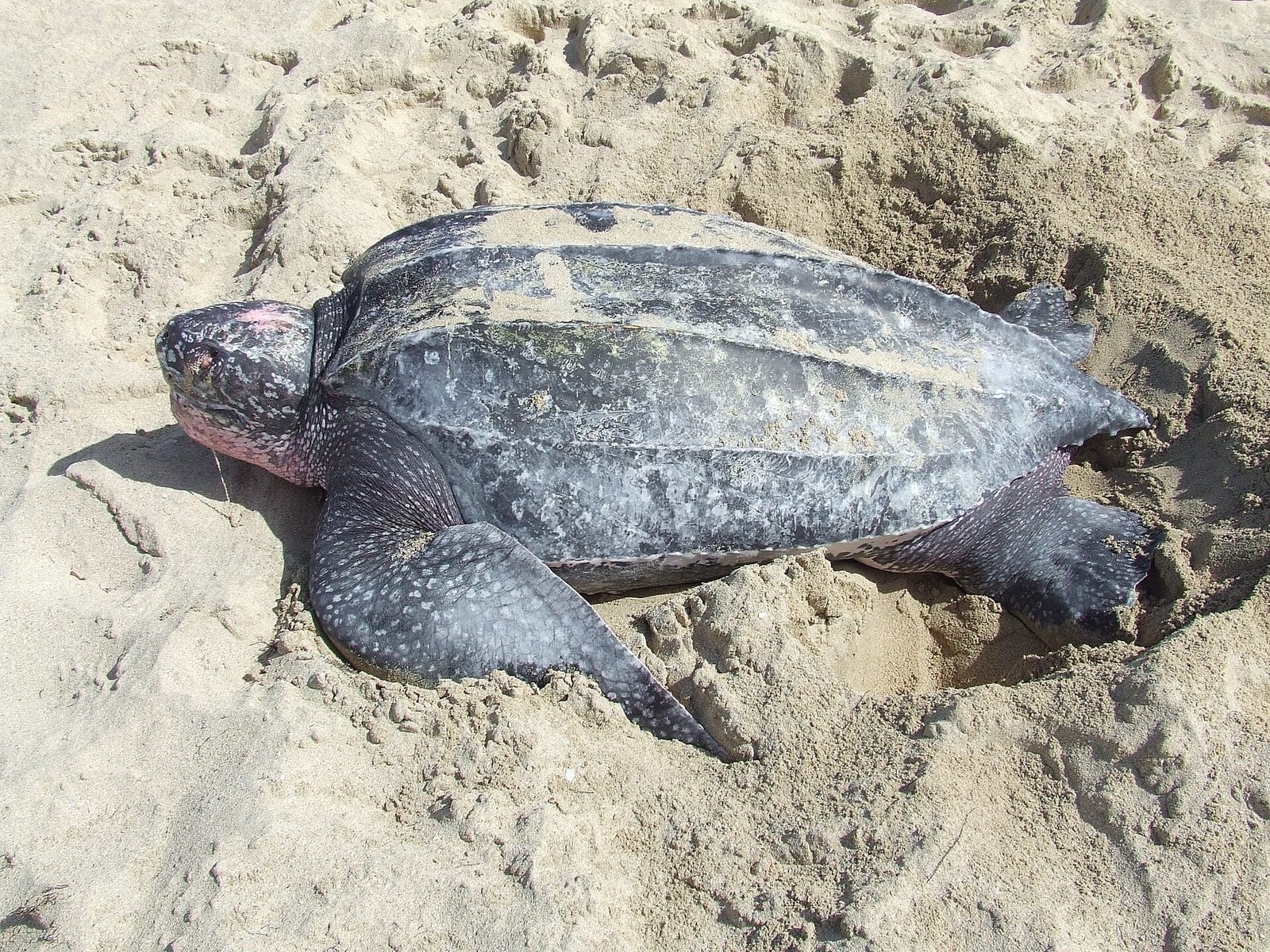
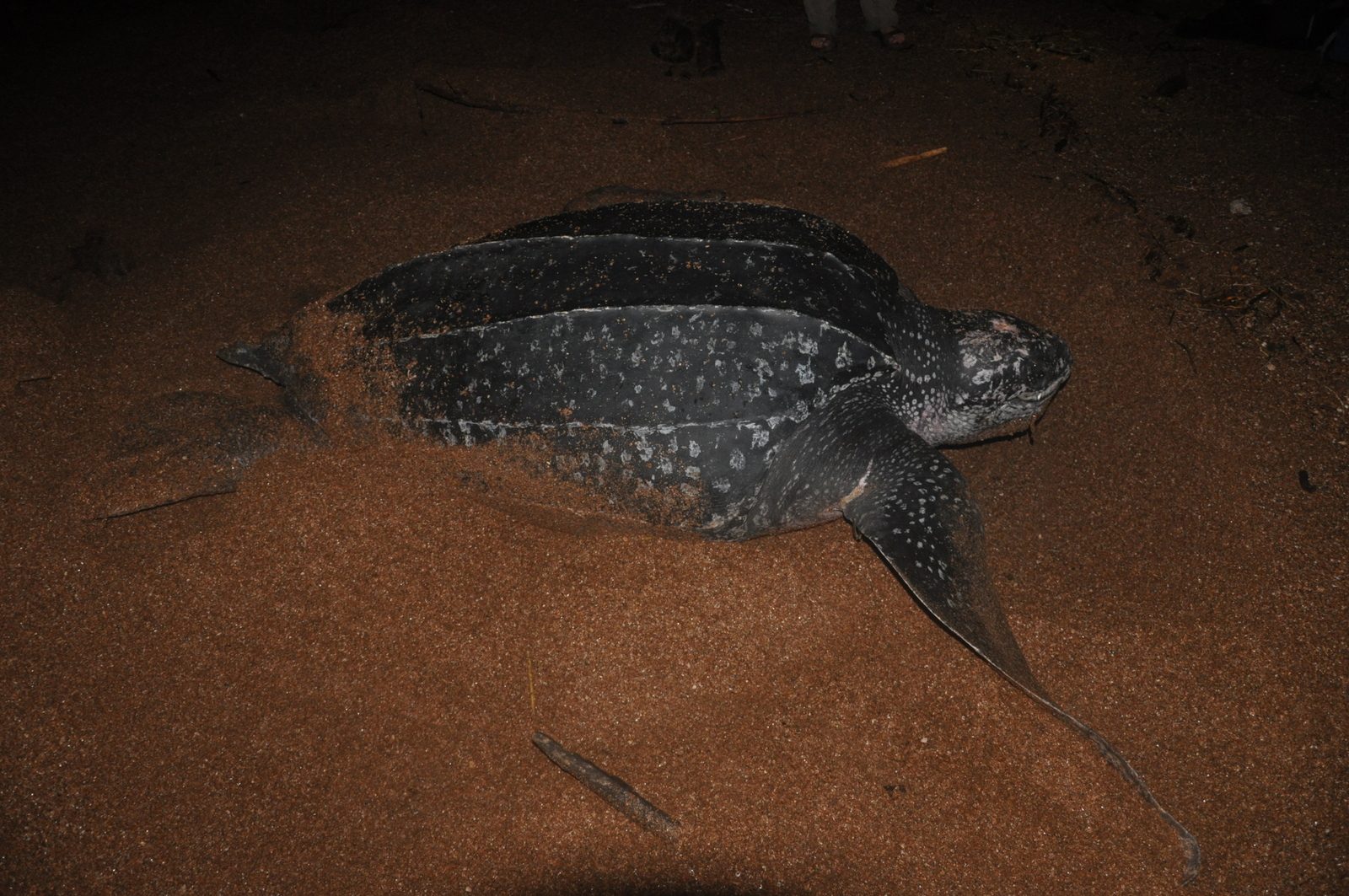
Buck Island's animals are the reason the rules exist, and the hawksbill is the headline. Since 1988 the park has tagged about 200 individual hawksbill turtles nesting on the island, and it counts 20 to 40 nesting hawksbills in a season. Females return every two to four years, and between 50 and 80 percent of the tagged remigrants have come back to nest again — a good sign for a species that is critically endangered across most of its range. Green turtles nest here too, in far smaller numbers: the NPS gives one to three green turtles a season and eight to ten nests a year. Leatherbacks are named in the 2001 proclamation as well, though on St. Croix the big leatherback beach is Sandy Point, at the other end of the island.
You are more likely to see turtles in the water than on the sand — nesting happens at night, when the island is closed, which is the point of the closure. On the underwater trail and in the lagoon, hawksbills feed on the sponges and other growth of the reef and are regular enough that crews will often know where one was that morning. Watch from a few body lengths, do not swim over the top of one, and let it surface to breathe when it wants to.
The birds are the other half of the story. Brown pelicans, listed as endangered in the territory, nest on the island from June through March; least terns, threatened, come to nest on the open sandy beaches from May to August. Which is to say that in most months of the year something is nesting somewhere on Buck Island, and the walk-where-you-are-told rule on the beach and the trail is not bureaucracy. If birds are your thing, bring binoculars for the crossing; the water between St. Croix and the reef is where the pelicans fish.
The fish are the easy part: more than 250 species have been recorded, and inside a reserve where nothing has been fished since 2001 they behave the way fish are supposed to and never do — big parrotfish grazing in the open, schools that part around you rather than bolting. For a broader look at what lives on and around St. Croix, from the reef to the dry forest, our wildlife guide picks up where this section leaves off.
The St. Croix ground lizard
Here is the animal nobody sails out to see, and the one that best explains what the monument is for. The St. Croix ground lizard (Pholidoscelis polops) is a small, quick, striped lizard — adults run 35 to 90 millimeters, tail excluded, patterned in light brown, dark brown and white stripes down the back, with juveniles showing a bright blue tail and adult males a white belly with bright blue markings. It once lived across St. Croix. Then the small Indian mongoose arrived in the 1880s, and between the mongoose and habitat loss the ground lizard was wiped off the main island; the U.S. Fish and Wildlife Service listed it as endangered in 1977, and the IUCN still ranks it endangered today.
By the late twentieth century it survived only on tiny mongoose-free cays: Protestant Cay in Christiansted harbor and Green Cay off the East End's north shore, joined in 1990 by Ruth Cay, a man-made island built by dredging in the 1960s, where ten lizards were introduced. Buck Island had mongoose too — the NPS says they probably arrived around 1912 — and so, for most of the monument's life, no ground lizards.
That changed once the park removed the predators. After island-wide rat and mongoose eradications, biologists from Texas A&M, the National Park Service and the Fish and Wildlife Service moved 57 lizards — 32 females and 25 males — from Green Cay to Buck Island in late April and early May of 2008. They started them in eight 100-square-meter enclosures for 71 days, then opened the fences. Hatchlings appeared within two months. By 2010 the population was described as thriving, and surveys in 2013 to 2015 found ground lizards occupying 70 to 90 percent of the island.
So Buck Island is now one of only four places on earth with this animal. If a small striped lizard comes to inspect your beach bag at Turtle Beach, you are looking at one of the rarest reptiles under the U.S. flag. Look, photograph if you like, do not touch, and do not feed it. Green Cay, where its Buck Island ancestors came from, is the little island just off the marina of the same name — the one Teroro II sails past on its way out.
When to go, season by season
The boats run all year, and there is no month when Buck Island is a bad idea. But the sea state changes with the season, and since the whole day is a crossing, a snorkel and a beach, the sea state is the day. The NPS weather page gives the frame: average highs of 84 to 89 degrees Fahrenheit, lows of 73 to 80, trade winds out of the east, and three seasonal wrinkles worth planning around.
The first is the Christmas Winds — strong winds from the north that blow in December through March. That is peak visitor season, the temperatures are the coolest of the year (lows rarely dip below 73), and the boats are busiest; it can also mean a livelier crossing and more chop on the reef's exposed side, which is why the morning boat matters most in winter. The second is the dry stretch: between April and June there is typically little rainfall, the winter winds have eased, and hurricane season has not properly begun. On paper that is the sweet spot, and it is also when the island is quieter. The third is hurricane season, officially June 1 through November 30, with peak months for storms between August and October; the water is warmest then, the air is hottest (highs in the upper 80s and low 90s), and a boat will occasionally cancel for weather. Our hurricane season guide is the honest version of what that risk actually is.
Whatever the month, the NPS advice holds: watch for hazardous surf and crosscurrents, do not swim alone, and expect the weather to change fast — a shower can cross the lagoon and be gone in ten minutes. If the crew says the trail is too rough today and takes you to a lee-side spot instead, that is judgment, not laziness; the elkhorn will still be there next year, and so will you. For month-by-month temperatures and rain across the island, see our weather guide.
| Season | What the NPS says | What it means on the boat |
|---|---|---|
| December–March | Coolest months, lows rarely below 73°F, strong north winds (Christmas Winds) | Busiest season, book early, take the morning boat, expect a livelier crossing |
| April–June | Typically little rainfall, winter winds easing | Often the calmest, driest window, quieter reef, good light |
| July | Hurricane season under way, still outside the peak months | Hot, showers possible, boats running normally |
| August–October | Peak storm months, highs in the upper 80s and low 90s | Warmest water, quieter reef, occasional weather cancellations, watch forecasts |
| November | Tail of hurricane season | Shoulder month, boats running, winter winds not yet in |
With children, with a group, with nervous swimmers
Buck Island is one of the best days on St. Croix for children, provided you pick the right boat and the right format. The lagoon is shallow — the deepest parts of the trail are around 12 feet — the water is clear, and the crews hand out gear and instruction as part of the fare. Big Beard's lists all ages welcome on all tours; Buck Island Charters prices children 11 and under at about $85 on Teroro II and takes under-2s free. Ask when you book about flotation — belts or vests for smaller snorkelers — and about how the crew handles the six-at-a-time trail rule with a family, so you are not split from a nervous seven-year-old.
The honest advice for parents is the same we give everyone: take the full day or the Teroro II morning, not the half day. Children can manage the trail; what they cannot manage is a boat that turns straight around afterward with nowhere to run. Turtle Beach gives them sand, shallow water and a picnic table, and gives you an hour of sitting down. Practice matters too — an evening in a mask off a calm beach the day before turns a scared first snorkel into a good one, and the villa has a reef of its own for exactly that. More on the island with children in our kids guide.
For groups the arithmetic is simple. The villa sleeps twelve, and twelve is a comfortable number on Teroro II (up to 24) or on the Christiansted catamarans. If you want the boat to yourselves, Buck Island Charters lists Teroro II as a private charter for 20 people at about $1,800, extended hours at about $360 an hour, and Dragonfly as an exclusive charter for up to eight at about $1,200 (they quote it as $150 a head); Jolly Roger and Caribbean Sea Adventures also run private charters — call for numbers. Llewellyn's takes six, so a party of twelve is two sailings or a different boat. A private boat means your own schedule: leave at nine, stay at Turtle Beach until you are done, and skip the crowd at the trail moorings.
Nervous swimmers should say so at check-in and mean it. Every crew has seen it, and the answer is always the same: stay by the boat, use a float, go with the guide, and remember the trail is not a test. There is plenty to see in the shallow water near the moored boats, and there is no medal for the far end of the trail. If someone in your party will not get in at all, that is fine too: the beach hour is a real hour, and the crossing itself is worth the fare.