

The CeruleanSt. Croix · U.S. Virgin Islands
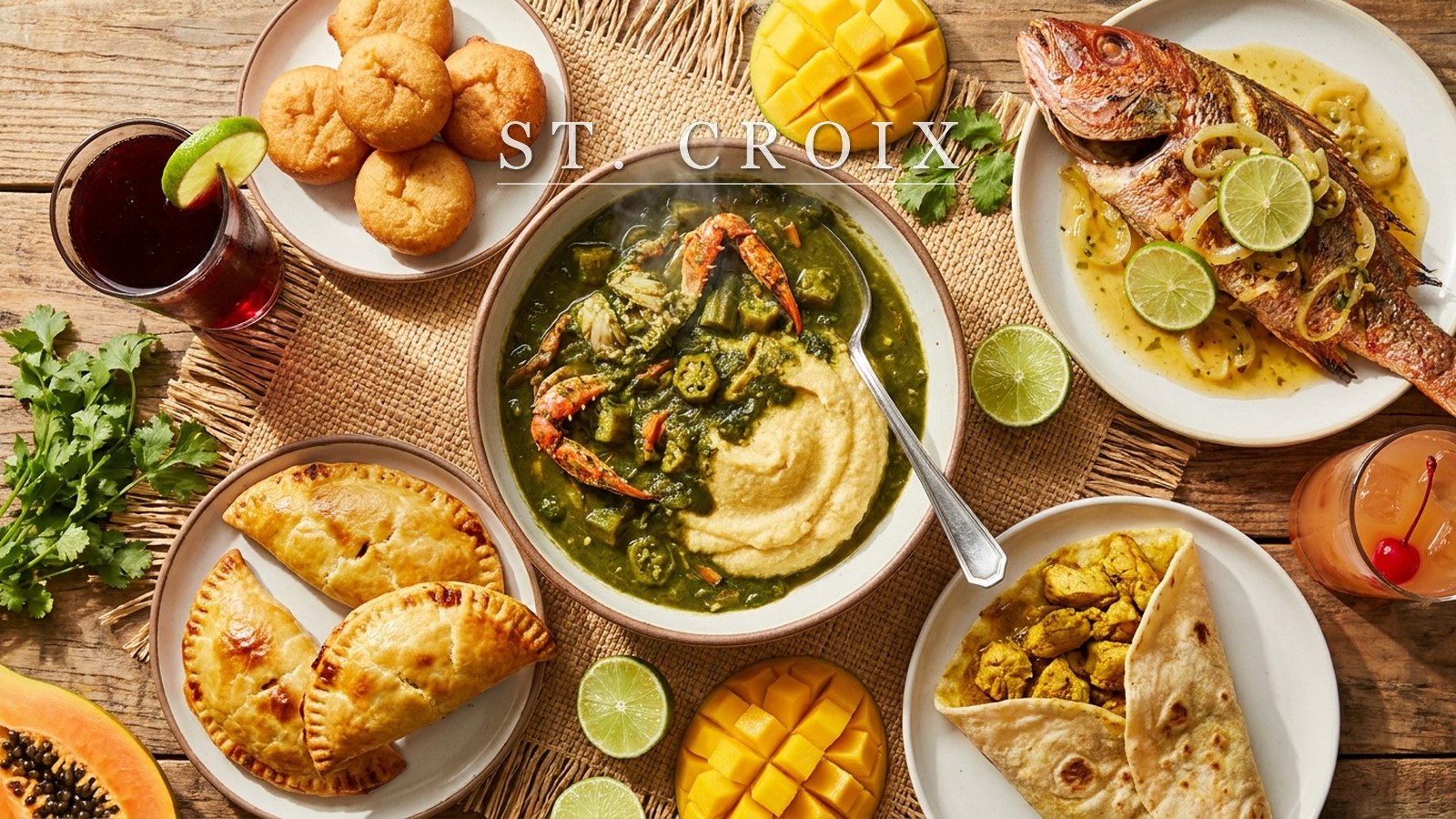
A St Croix Crucian food spread -- kallaloo over fungi, johnny cakes, pates, fried fish, roti and sorrel

What to Eat on St. Croix: The Crucian Food Guide

Kallaloo, johnny cakes, pates and saltfish — the dishes that mean you actually ate here, and the counters, restaurants and Saturday market where you find them.

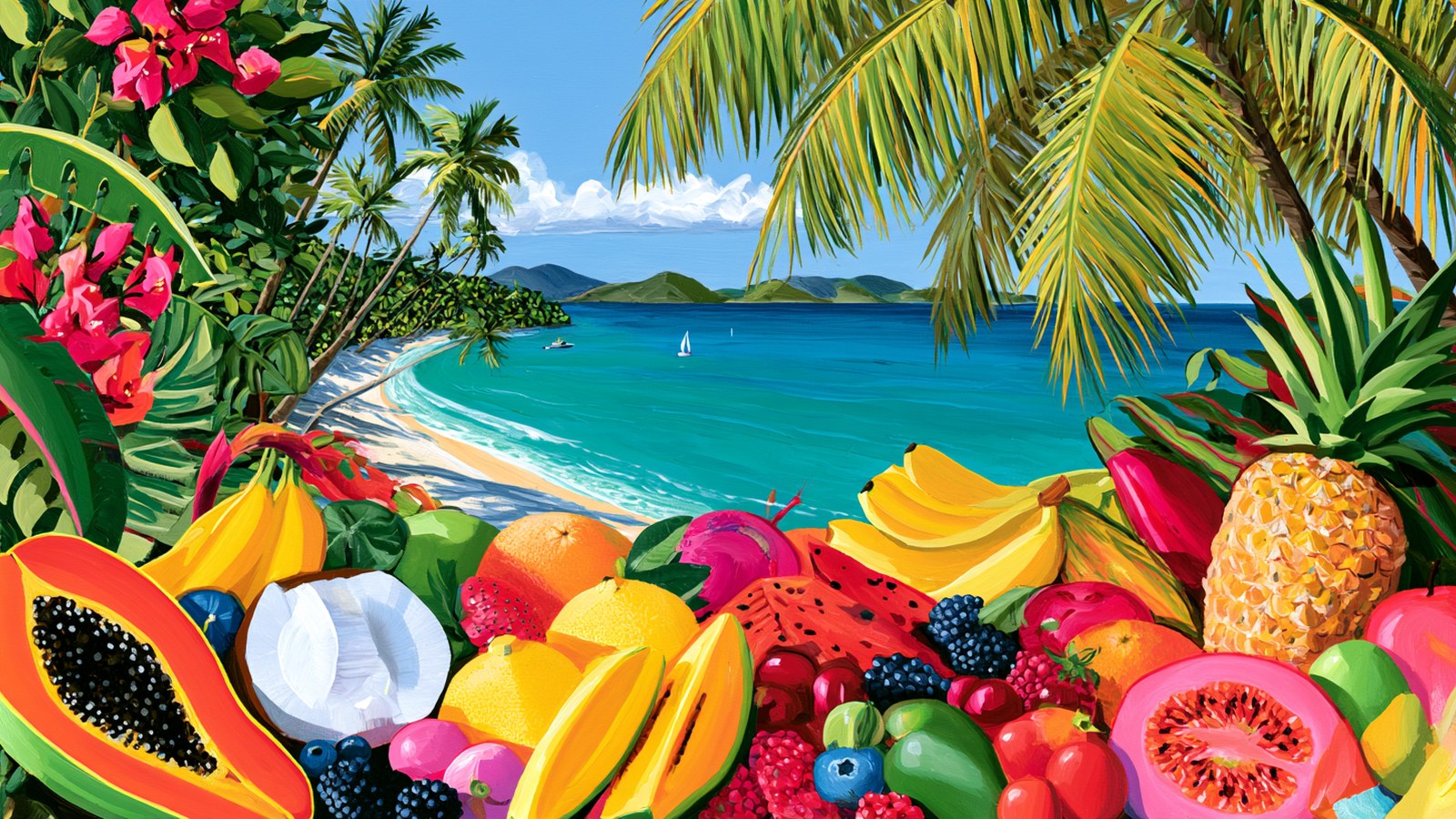
Original illustration

Crucian cooking is what happens when West African technique, Danish colonial trade, Puerto Rican neighbors and down-island family lines share one small island for three centuries. It is not resort food, and most of it never appears on a hotel menu. This is the working vocabulary — kallaloo, fungi, johnny cakes, pates, roti, saltfish, sorrel, maubi — with what each one is, where it came from, and where on St. Croix you can actually eat it in 2026, from a Saturday market at dawn to a chef in the villa kitchen.

Where Crucian food comes from

Crucian food is a blend, drawn mostly from West African, European and Indigenous Caribbean cooking. Denmark bought St. Croix from France in 1733 and ran it as a sugar colony until the United States bought it in 1917, and for most of that time the people doing the cooking were enslaved West Africans and, after emancipation in 1848, their free descendants. Their pots were plantation pots: greens and okra stretched with a little salted meat or fish, cornmeal boiled thick, dough fried in fat. That is kallaloo, fungi and johnny cakes.

Two later arrivals changed the menu. From the 1920s onward, Puerto Ricans — most from the small island of Vieques, a short sail to the west — came to cut cane and stayed, bringing rice-and-beans cooking, roast pork and, at Christmas, coquito. And in the decades after, families from "down island" — Trinidad above all — brought curry and roti, which is now as common a St. Croix lunch as a pate.

Denmark left less on the plate than you might expect. The Danish period shows in the towns — the yellow forts, the old streets of Christiansted — more than in the food, though the trade the Danes ran is why salted cod from the North Atlantic became an island staple: cheap protein that kept in the heat, shipped in to feed the plantations. Saltfish with johnny cakes for breakfast is a colonial supply chain turned into a Crucian habit.

Which is why the first thing to say about eating on St. Croix is that the best of it is cheap. The dishes in this guide were built by people who had little, and the places that still cook them well are mostly open-air counters, roadside stands and Saturday-market tables. There are good sit-down restaurants too, and a few are excellent, but eat only in those and you miss the point. Bring cash, go early, and ask what is local today.

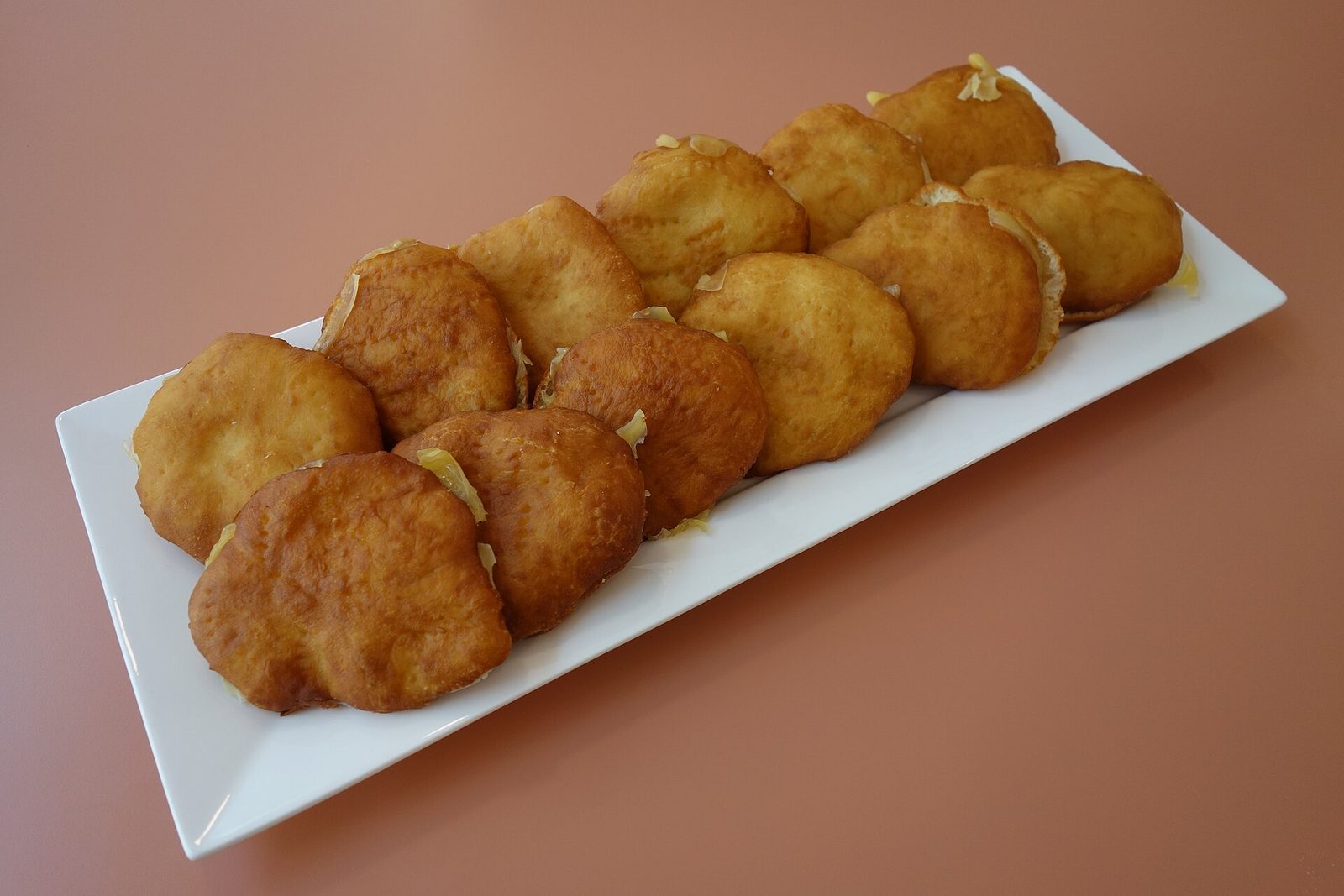
Johnnycake, West Indies 01
Johnny cakes — fried dough is one of the oldest things on the Crucian plate, straight from the plantation kitchen and still served at every meal. Photo: Dqfn13 (CC BY-SA 4.0)

Johnny cakes and the Crucian breakfast

A johnny cake is fried dough, and that undersells it the way "fried dough" undersells a doughnut. Picture something between a biscuit and a doughnut, fried rather than baked: small, slightly sweet, golden and crisp outside and soft inside. They turn up at every meal — split and stuffed with cheese or saltfish at breakfast, next to chicken and ribs at lunch, in a paper bag from a festival stand.

The best of them are made to order and eaten hot; if a place has them sitting under a heat lamp, keep walking. La Reine Chicken Shack, the mid-island barbecue institution covered below, is known for the island's best johnny cakes — they come out alongside the coal-cooked chicken, and reviewers have pushed the place to the top of St. Croix's restaurant rankings for where both locals and tourists eat.

The full local breakfast is saltfish, eggs and johnny cakes — the plate to ask for at any counter that opens early. Bush tea comes with it if you ask (more on that below). In Christiansted the small breakfast-and-lunch spots are where to start looking: Toast Diner, a side-street diner, and Frescos Kitchen & Pub House on Starboard Street, a couple of blocks from the waterfront, both do a fresh homemade breakfast; ask what local dishes are on that morning, and check current hours, since both are small and both close in the afternoon.

Two more things worth knowing. Johnny cakes are cheap and portable, so they are the right thing to grab for a beach morning; and they do not keep well, so eat them within the hour. If you have children who are wary of kallaloo and fungi, johnny cakes are the peace treaty.

Pates, the street food

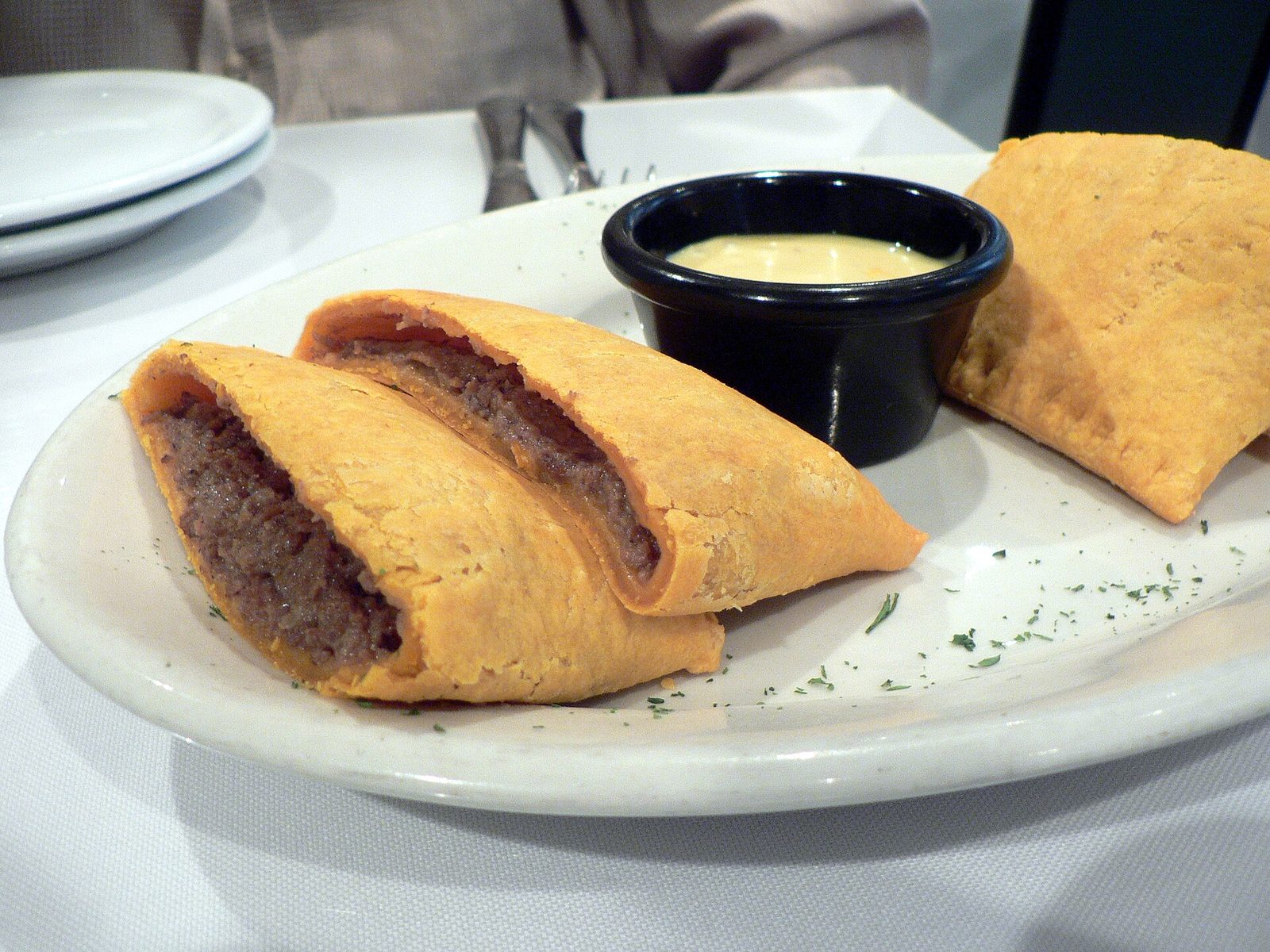
Pates (say PAH-tays, and do not confuse them with the French spread) are the island's true street food: half-moon turnovers of seasoned dough, filled and deep-fried until blistered and golden. If you have had a Jamaican beef patty or a Latin American empanada, a pate is the same idea, fried a little harder. The usual fillings are beef, chicken, conch or saltfish, and every cook seasons the inside their own way. The best pates come out of a roadside stand or a market table, wrapped in a paper napkin, too hot to hold.

Beef patty (2053394161)
A beef patty — the baked Jamaican cousin of the island's fried pate: dough folded around a seasoned filling and eaten by hand. Photo: stu_spivack (CC BY-SA 2.0)

A pate is a working person's lunch. Two of them and a cold local juice is a meal, and the price is the reason: cheap enough that nobody thinks about it. That is also the tell — a pate on a restaurant menu at restaurant prices is a different and usually lesser thing. The real ones are fried while you wait or, at busiest, in batches that disappear in minutes.

Where to find them: market tables on a Saturday morning, the food stalls at Agrifest in February and in the Crucian Christmas Festival village at the turn of the year (both have their own guides here), and roadside stands along the main roads and around the towns — look for a hand-lettered sign and a short line of parked cars. Vendors set up early and sell out by early afternoon. If you see them, buy them then, not on the way back.

The etiquette is simple. Cash, small bills. Say what filling you want; if the answer is "just chicken today," take the chicken. Ask whether there is pepper sauce and try a little first — some house bottles are serious. And buy extra for the drive, because pates are the single easiest way to bring Crucian food back to a villa full of people who stayed by the pool.

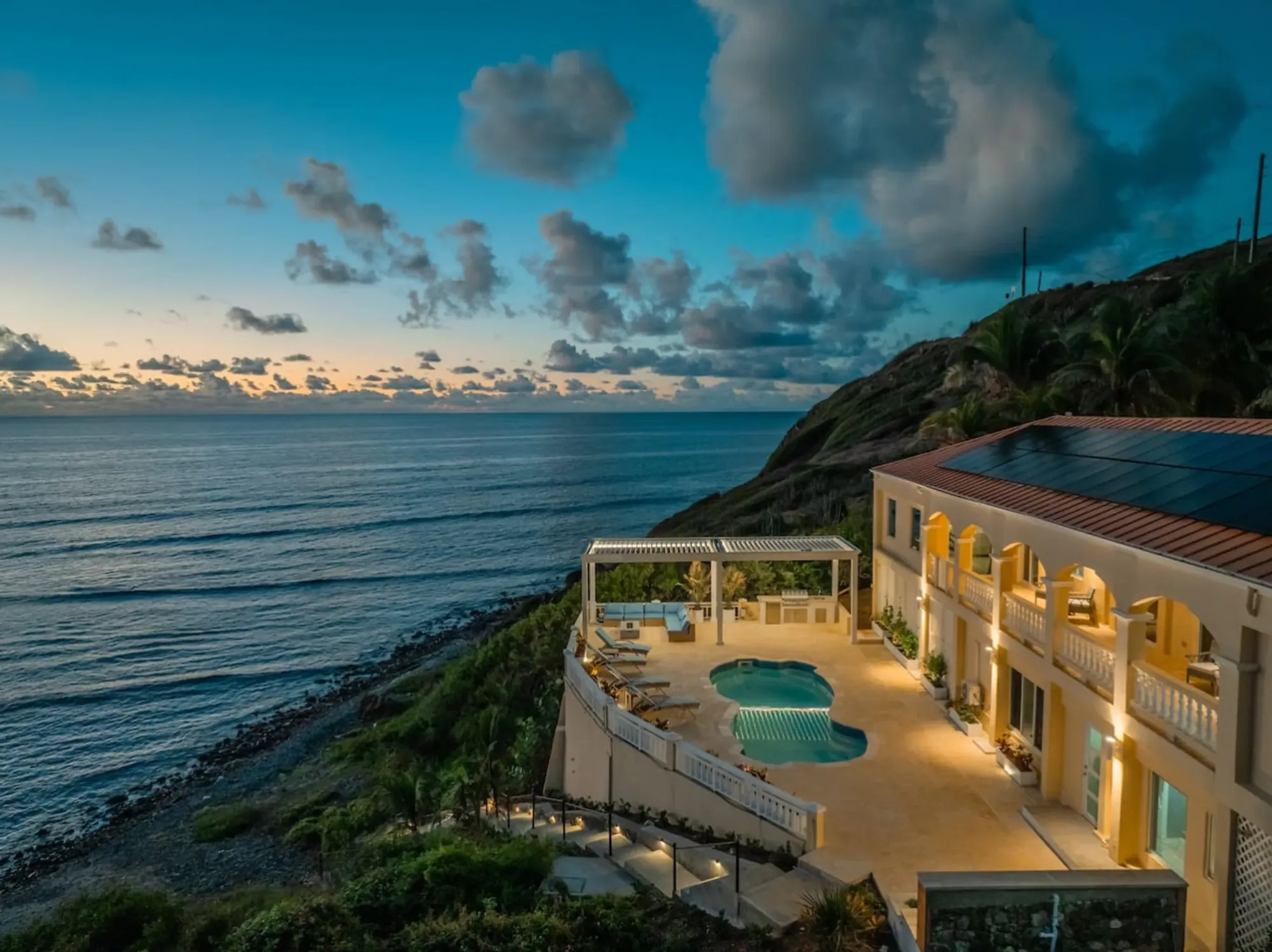
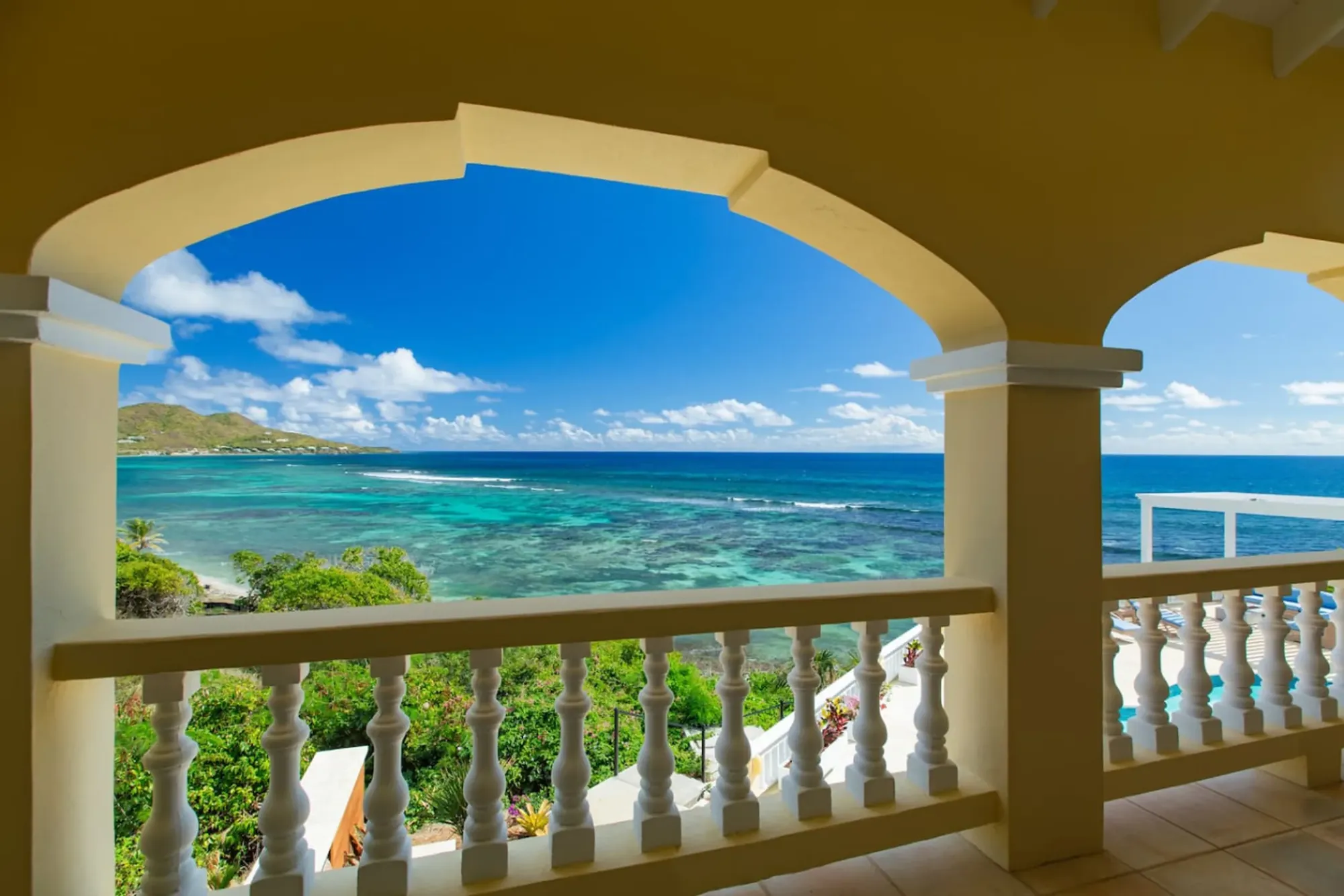
Turquoise bay framed by the villa's arched veranda
The Cerulean

Plan it from the villa.

Five bedrooms, a private swimmable beach, and all of this within a day trip.

Sleeps 12 · 4.90 ★ · rates by season

Kallaloo, the dish that carries the island

If you eat one Crucian thing, eat kallaloo (you will also see it spelled callaloo). It is a thick green stew of leafy greens and okra — if you know Louisiana gumbo, you already know the family, since both grew out of West African okra soups. On St. Croix, spinach is the usual base now, and a proper pot has onions, green onion, celery, thyme and parsley in it along with the okra, plus whatever the cook's family adds: fish, salted pork or beef, and, on a good day, crab or lobster. Older cooks used taro leaves before spinach took over.
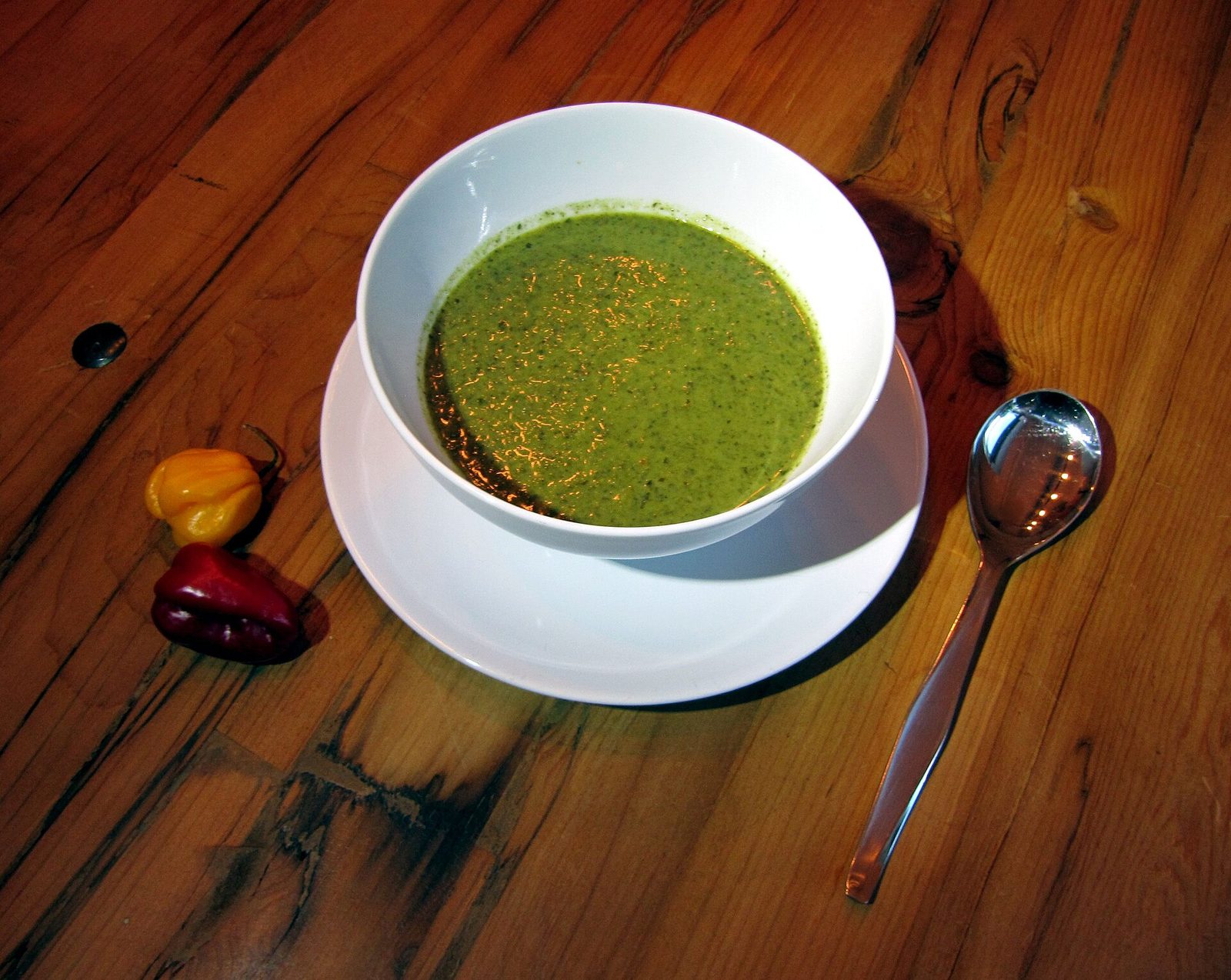
Callaloo-GT
A bowl of callaloo — the greens-and-okra stew at the center of the dish. This one is the Trinidadian version; every island in the Caribbean cooks its own, and St. Croix's is thick, deep green and poured over fungi. Photo: GeoTrinity (Wikimedia Commons) (CC BY-SA 4.0)

The okra is not optional. It thickens the pot and gives kallaloo the slippery body that people either love immediately or need a bowl to get used to; the greens cook down for hours, and the result is somewhere between a soup and a stew, deep green, and usually ladled over a ball of fungi — cornmeal cooked with okra, salt and butter. That last part matters. Kallaloo and fungi is the plate; kallaloo alone is half of it.

The dish is West African in origin. Enslaved Africans brought the greens-and-okra idea to the Caribbean and rebuilt it from what grew here; on St. Croix, the Crucian version — the ingredients and the way it is put together — traces to the enslaved population of the Danish West Indies. Every island has its callaloo, and Crucians will tell you theirs is the one. Theirs is the one you can eat this week.

Then there is Old Year's Night. December 31 is when kallaloo matters most: it is traditionally served in the Virgin Islands as a meal of good fortune, eaten because it "purged you out for the New Year," as one island newspaper commentary put it — and the elders add a rider: serve kallaloo to your loved one on Old Year's Night and there will be a wedding by June. Whose wedding, they decline to say. There is a campaign behind the dish, too: on December 31, 2021, the St. Croix Source ran a commentary headlined "Let Us Make Kallaloo Our National Dish for 2022." Over New Year's, ask who is cooking.

“Let us make kallaloo our national dish for 2022.”

Commentary headline, St. Croix Source, December 31, 2021

Fungi and fish

Fungi (say FOON-jee) has nothing to do with mushrooms. It is cornmeal boiled thick with okra, stirred with butter and salt until it holds together, then shaped into a soft ball or mound. The closest thing most visitors have eaten is polenta or a stiff bowl of grits — fair for texture, though the okra worked through it gives fungi a body of its own. It is the traditional partner to boiled fish, and it is what kallaloo gets ladled over. Once you can name it on a menu, you will notice it everywhere.

Fungi and fish is the plate to look for at a local counter at midday: a local fish, boiled or steamed and finished in a buttered sauce of onions and peppers, next to a ball of fungi that soaks it up. It is not photogenic. It is one of the best things on the island, and it is the dish to ask an older Crucian about — the answer usually comes with a story.

Saltfish is fungi's other partner. Salted, dried cod is soaked overnight to pull the salt out, flaked, then stewed with onions and peppers — the same cured cod behind Portuguese bacalhau or Italian baccalà, if you have had either. It is part of the traditional Crucian breakfast with eggs and johnny cakes, and it also shows up as a pate filling and next to fungi at lunch. Its presence on a tropical island is a supply-chain story — cured North Atlantic fish shipped in for centuries to feed the plantations, cheap and heat-proof — that turned into an attachment. Ask for it at breakfast anywhere that offers a "local breakfast."

A practical note: fungi is heavy. A ball of it with fish and a side of rice and beans is a heavy meal. Order it at lunch and plan a beach for the afternoon; order it at dinner and plan nothing.

Roti and the Trinidadian thread

Roti is the clearest sign of how much St. Croix owes the rest of the Caribbean. It came north with families from Trinidad, where it is the food of the Indo-Trinidadian community: curried meat or vegetables wrapped in a thin, soft flatbread. Picture a burrito built by Trinidad. On St. Croix that means a flatbread folded around curried chicken, goat, conch, beef or the potato-and-chickpea mix that vegetarians live on, big enough to need two hands.
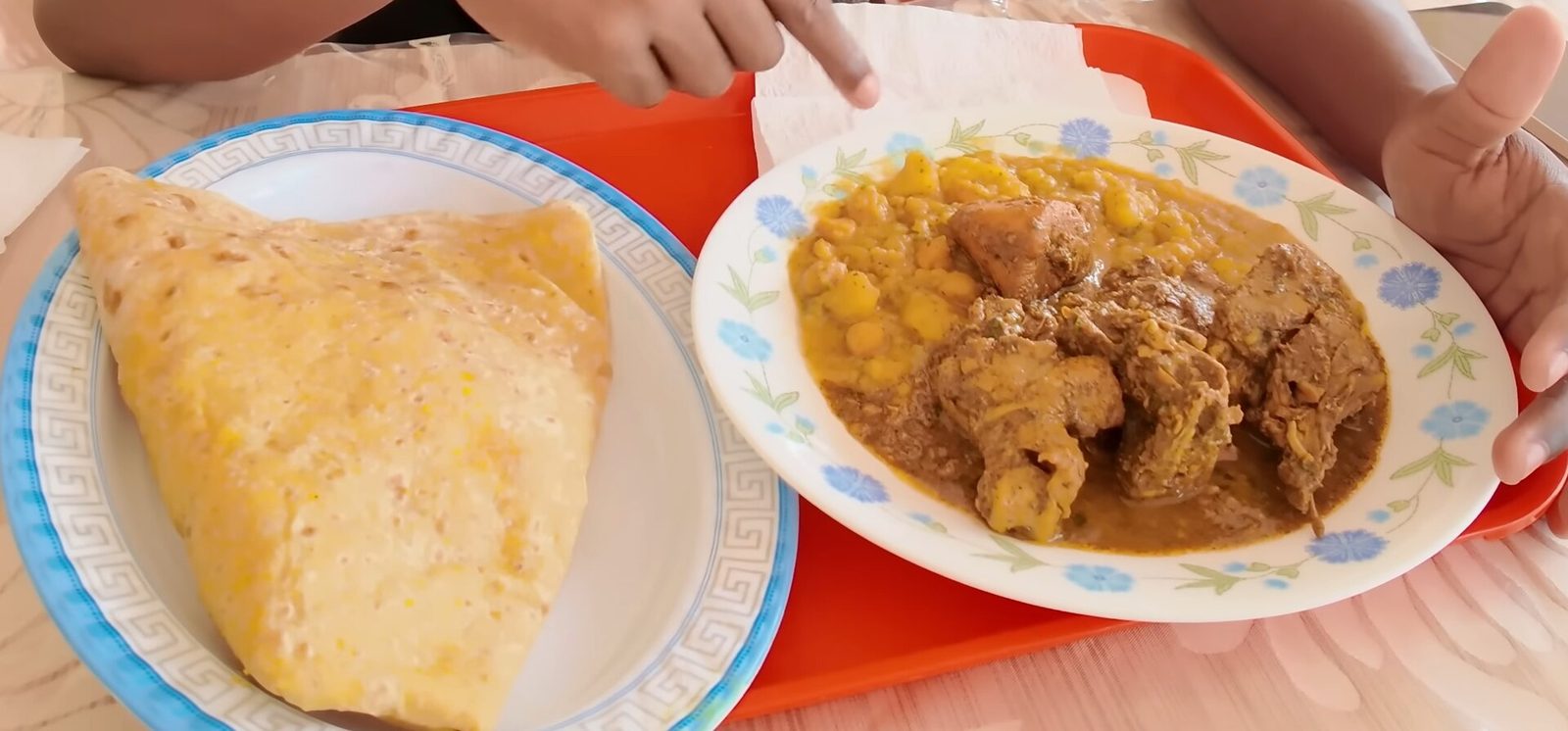
Dhalpuri roti, curry chicken, aloo and channa from Hi-Way Roti Shop Nelson Rd, Freeport Trinidad
Roti — curried chicken, goat or vegetables folded into a soft flatbread, the Trinidadian lunch that is now as common on St. Croix as a pate. Photo: AFRICAN TIGRESS (CC BY 3.0)

The roti address on St. Croix is Singh's Fast Food on King Street at the western end of Christiansted, which describes itself as an award-winning island favorite for more than 25 years and is known for rotis first, then stewed goat, curried chicken, oxtail, conch, and vegetarian and vegan plates. Its posted hours run weekdays from 9 am to 5 pm, with different weekend hours; portions are large and the pace is quick. Hours and status change on this island — call (340) 773-7357 before you make the trip, which is good practice for every local counter here.

Order a roti the way locals do: name the filling, ask whether the goat or chicken comes on the bone (curries often do, which is more flavor and more work), and expect a foil-wrapped parcel the size of a small football. Roti is lunch food; eat it where you buy it or within the hour, ideally on the Christiansted boardwalk a few blocks away with a cold drink.

The same thread explains why curry shows up across local menus and why stewed goat is as much a St. Croix lunch as a Trinidadian one. If you are cooking at the villa, a tin of Caribbean-style curry powder from Plaza Extra or Pueblo is the fastest route to something that tastes like the island; serve it with rice, or with johnny cakes from the Chicken Shack if you planned ahead.
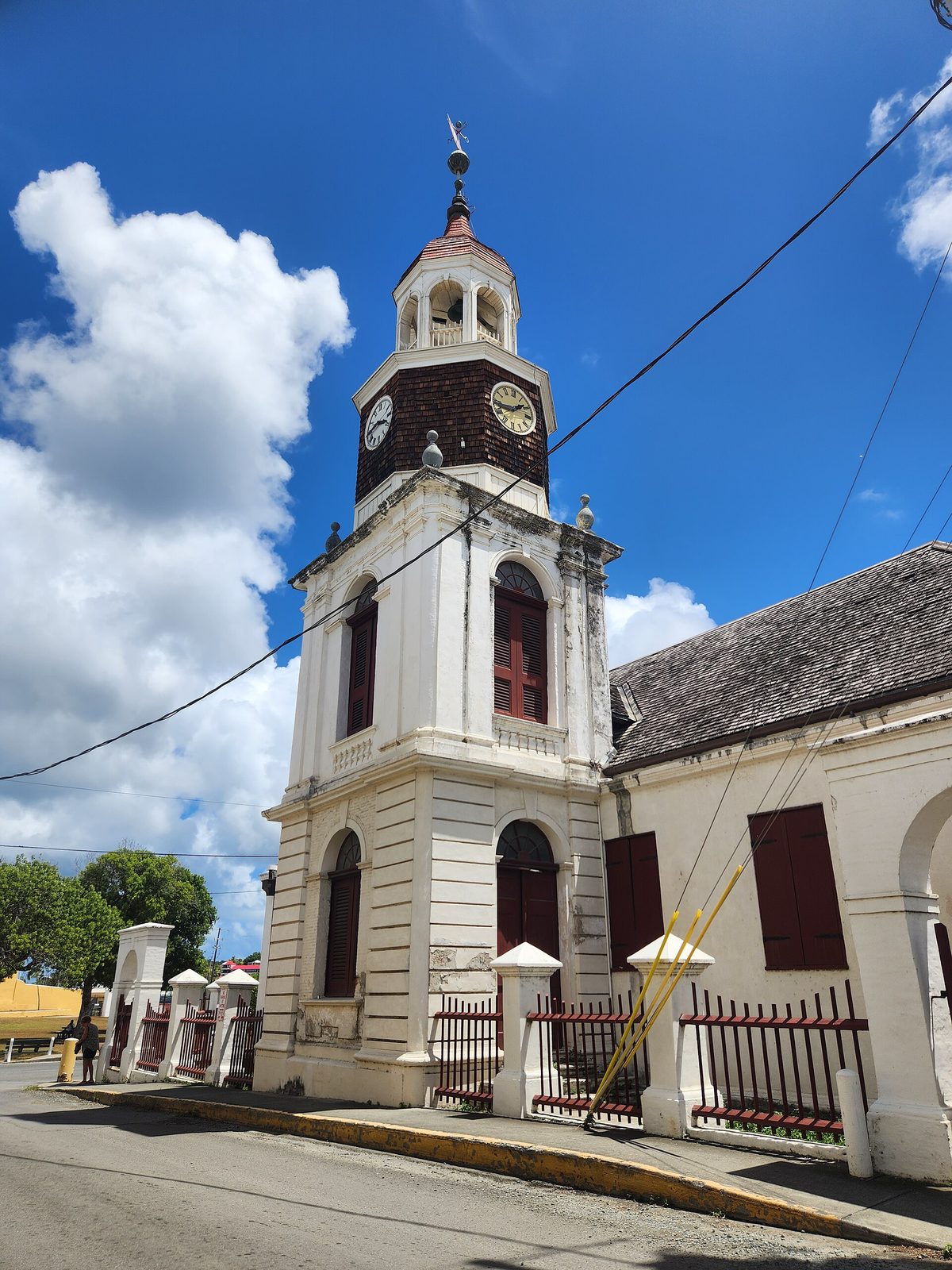
C20230924 121232
Christiansted, the island's main town, is about 15 to 20 minutes from the villa and holds most of St. Croix's restaurants. Photo: CaptJayRuffins (CC BY-SA 4.0)

Conch, saltfish and what comes off the boats

Conch (say "konk") is the big sea snail whose pink-lipped shell ends up as a doorstop. The meat is chewy and faintly sweet, closest to calamari or a scallop when it is cooked right and to a rubber band when it is rushed. On St. Croix it turns up in a pate, in a roti, on the La Reine Chicken Shack board next to the fish and pork chops, and — the version people ask for by name — in butter sauce, stewed soft with onions and pepper. Ask how long it has been cooking; kitchens that take pride in it will tell you.

Fresh fish is the other thing to chase. La Reine's Saturday market sells fresh fish alongside the produce, the Chicken Shack keeps fish on its board, and at the top end of the island's dining, AMA at Cane Bay says its menu is directed by what local farmers, "environmentally responsible fisherman and divers" bring in, with a dayboat ceviche at market price. Boiled fish with fungi at a counter and grilled catch at a waterfront table are the two ends of one supply chain; do both in a week.

Saltfish, covered above, deserves one more word here because it confuses visitors: it is not local fish. It is salted, dried cod, imported for centuries and rehydrated in the kitchen, and it tastes nothing like the fresh catch. And do not expect a fish market with a display case in the stateside sense: buying fish here mostly means the Saturday market or asking around, and it means going early. For a villa dinner, the surer route is to have the concierge or a private chef source it, or to buy at Seaside Market and Deli on the Christiansted side, which stocks fresh seafood.

From Vieques to St. Croix

Look at a map: Vieques, the small Puerto Rican island, sits a short sail west of St. Croix, and the two islands have shared people for a century. After the United States bought the Danish West Indies in 1917, Viequenses, who were already U.S. citizens, could move to St. Croix without a passport, and in the 1920s emigration from Vieques spiked as work dried up at home. The numbers are startling: between 1930 and 1940, 26 percent of Vieques's population — 2,749 people — left, most for St. Croix.

From the 1920s to the 1960s, historians credit these workers with reviving St. Croix's sugar industry, and their families are woven through the island — and so is their food.

Rice cooked with pigeon peas, stewed beans, roast pork, fried pastelillo turnovers and, at Christmas, coquito — the coconut-and-rum drink that is Vieques's answer to eggnog — sit alongside kallaloo and fungi on Crucian holiday tables without anyone finding it odd. A pastelillo and a pate are cousins; so are arroz con gandules and Crucian rice and beans.

The cuisine is easiest to find at festival food fairs and in the pork: La Reine Chicken Shack roasts a whole pig every Saturday, which is about as Puerto-Crucian as a lunch gets. A pot of rice with pigeon peas next to the fungi is the other sure sign. Order both.

  1. 1733Denmark buys St. Croix from France and builds a sugar colony worked by enslaved West Africans
  2. 1848Emancipation in the Danish West Indies
  3. 1917The United States buys the islands, and Puerto Ricans can move to St. Croix without a passport
  4. 1920sEmigration from Vieques to St. Croix spikes
  5. 1930–4026 percent of Vieques's population, 2,749 people, leave, most for St. Croix
  6. Early 1940sThe U.S. Navy takes about two-thirds of Vieques and the exodus accelerates
  7. 1998Savant opens in Christiansted
  8. April 2019Villa Morales closes in Frederiksted
  9. August 2019Sion Farm Distillery opens mid-island
  10. Dec 31, 2021A St. Croix Source commentary calls for kallaloo as the national dish

Sorrel, maubi, bush tea and the juices

Crucians drink the island as much as they eat it. The cold drinks to know are maubi, sorrel, soursop, sea moss, passion fruit and ginger — between them they cover most of what you will be handed at a market table or a festival stall.

Sorrel is the Christmas one. It is made from the deep-red calyces of a hibiscus — the same dried hibiscus behind Mexican agua de jamaica or a hibiscus iced tea — steeped, spiced, sweetened and served cold. The dried flowers are sold by the bag at the La Reine market, and the drink appears everywhere from late November through the Crucian Christmas Festival. It takes rum well, which is not an accident.
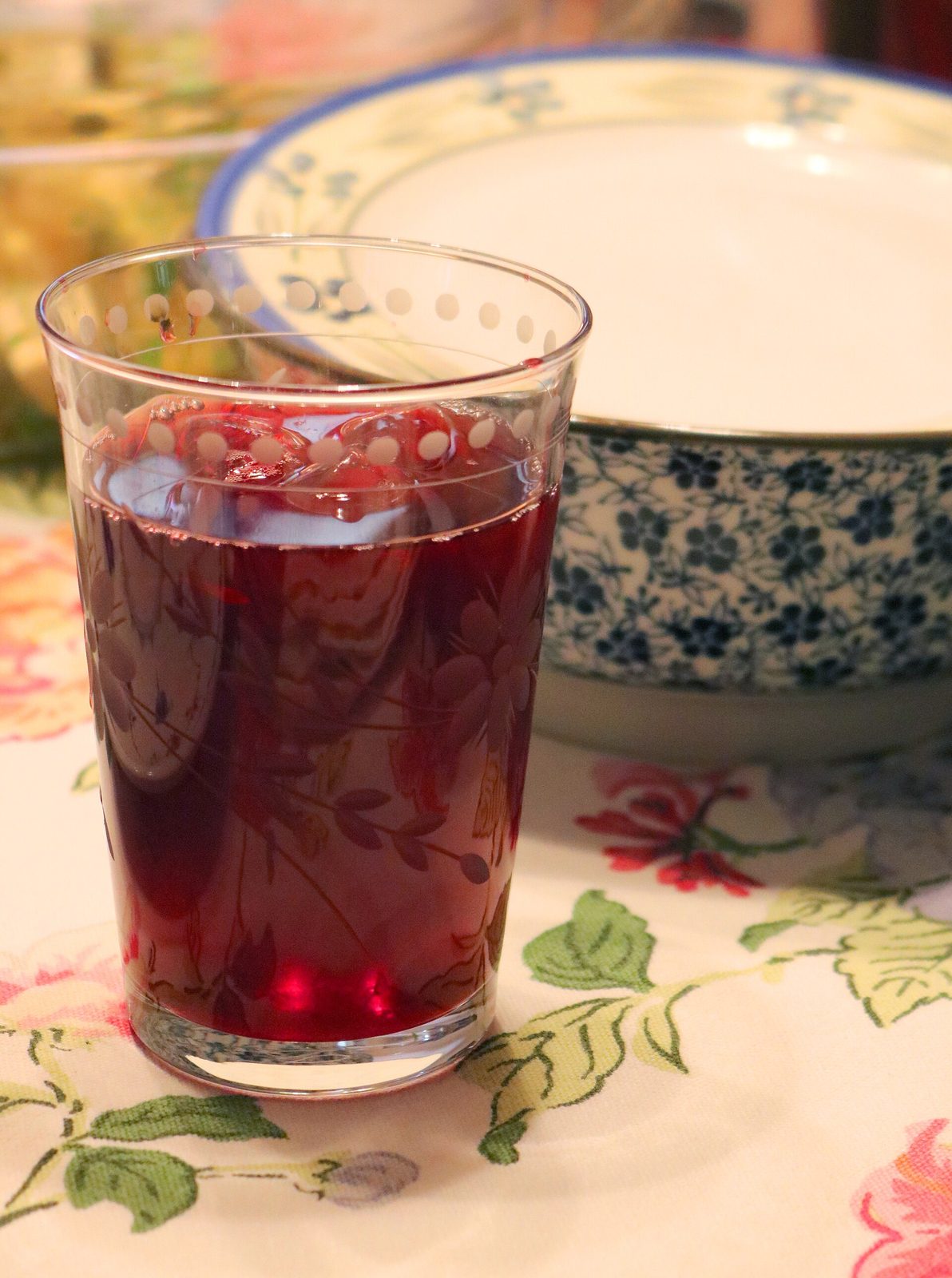
A glass of hibiscus tea 01
Sorrel, the deep-red drink of Crucian Christmas, steeped from dried hibiscus — the same flower as the hibiscus iced tea shown here. Photo: claralieu (CC BY 2.0)

Maubi (also spelled mauby) is the acquired taste. It is a bittersweet drink made from a fermented tree bark, and the nearest thing a mainlander has tasted is a bitter, not-very-sweet root beer. Locals will grin as they hand it to you; the first sip is bitter, the second is better, and by the third you either have a new habit or you don't. It is sold cold in bottles at markets and stands.

Bush tea is the everyday habit: herbal tea made from local plants, which on St. Croix commonly means lime leaves, mint, lemongrass and moringa — hot in the morning, sold cold in bottles at the Saturday market, and offered as a cure for most things. Then the juices: soursop, thick and creamy-tart; passion fruit, sharp and floral; sea moss, a sweet, thick drink blended from seaweed; ginger with real heat. At a restaurant, ask whether the juice is fresh or from concentrate, because both exist. If you drink one thing at a Saturday market, make it whatever juice the vendor pressed that morning.
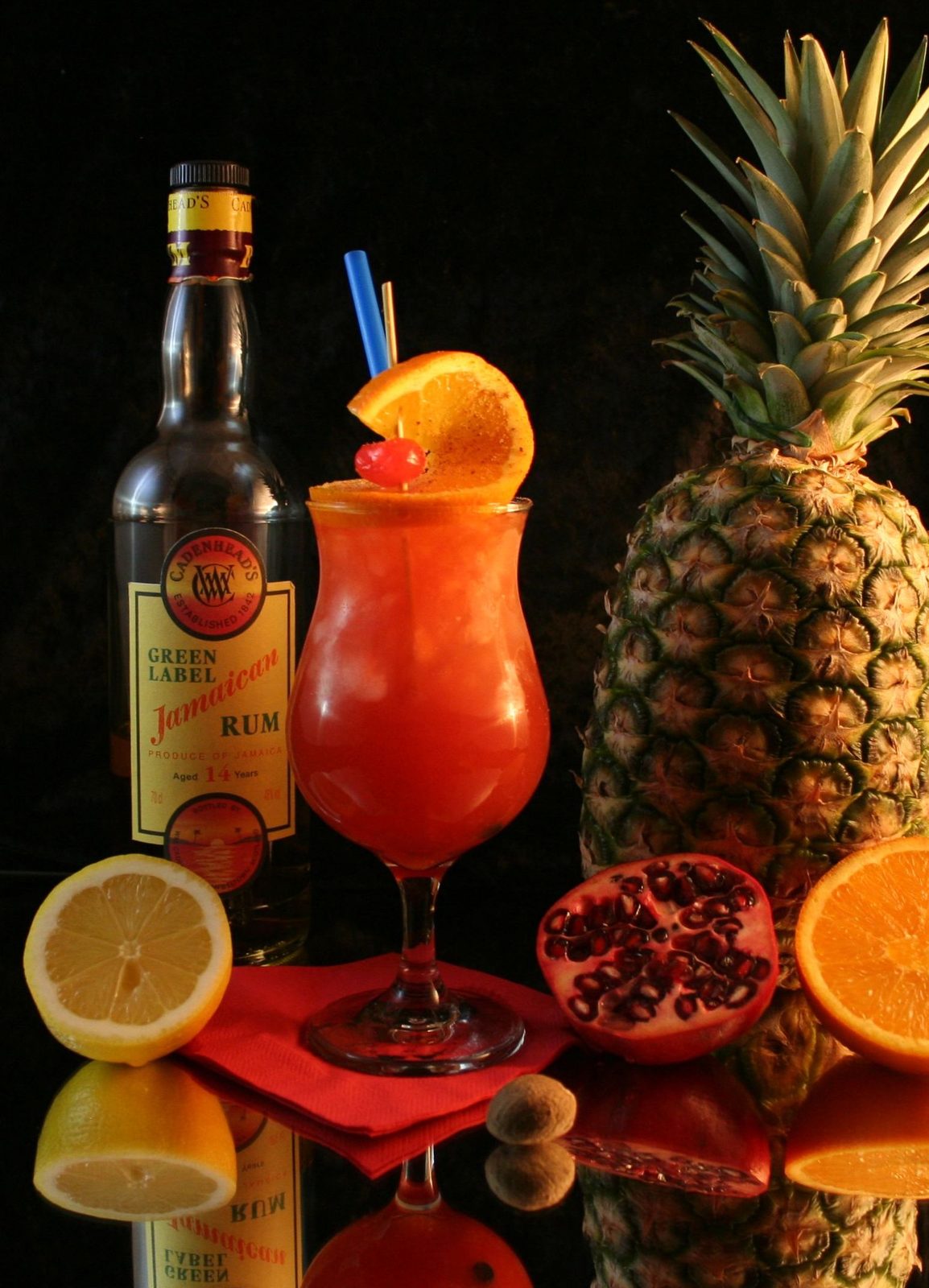
Planters Punch 1
Rum punch, the house drink of every Caribbean bar; ask for it made with the local rum. Photo: Achim Schleuning (E-Mail: comander02_de@yahoo.de ) (CC BY-SA 3.0 de)

Rum, and the rest of what is distilled here

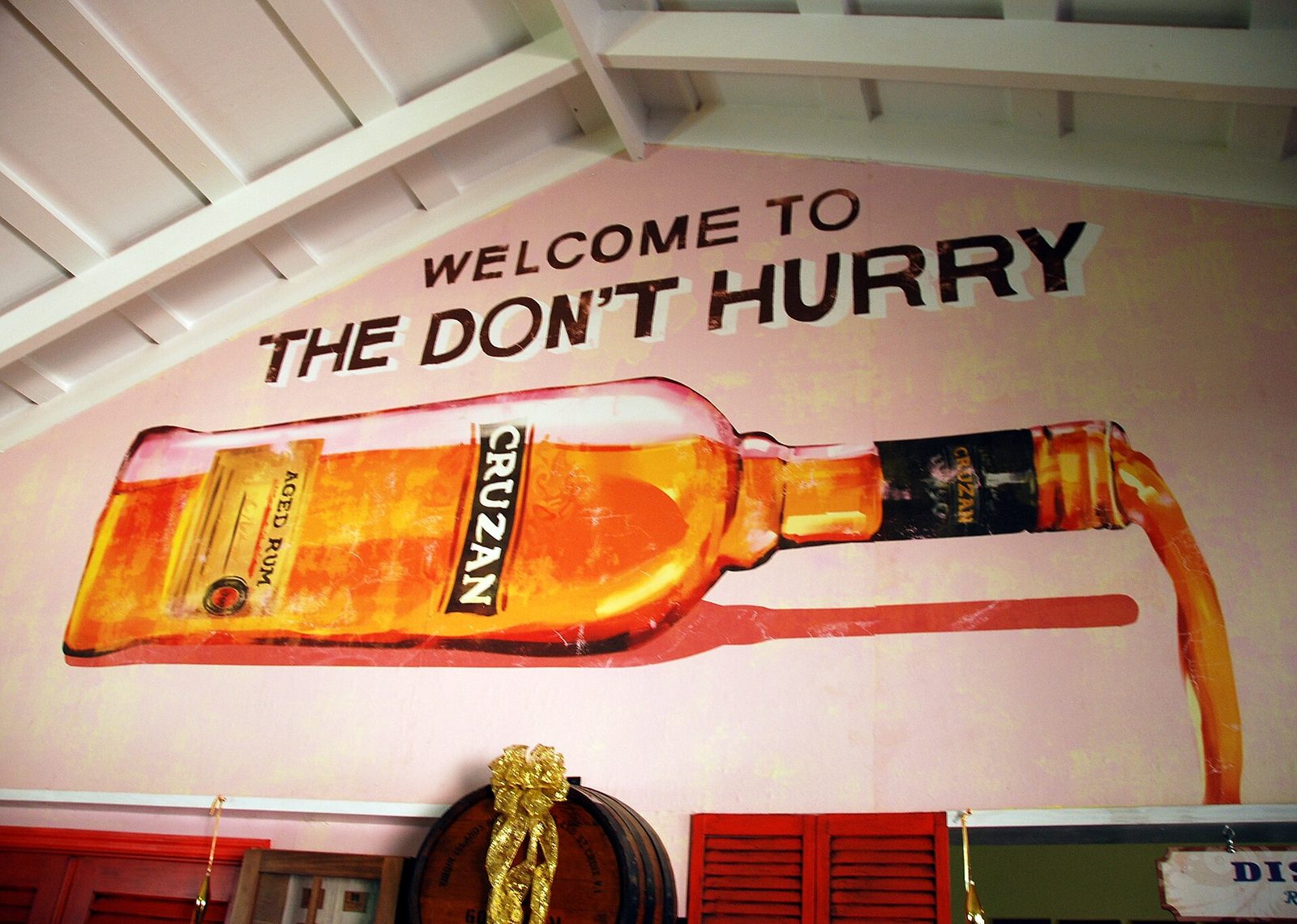
Rum gets its own guides on this site — the Cruzan story and the breadfruit vodka at Sion Farm — so this is the short version, for the eater rather than the drinker. Cruzan is the island's rum, made at Estate Diamond on the west end by the Nelthropp family across eight generations, and its weekday distillery tour is the one to book. Captain Morgan's rum is also distilled on St. Croix, at a Diageo plant mid-island with a visitor center open Monday to Friday, 10 am to 4 pm as of 2026, with booked tastings.

Sion Farm Distillery, in the old Island Dairies plant, opened in August 2019 to make Mutiny Island Vodka from breadfruit — the tasting room runs free tours Monday to Friday, 11 to 5, per its site — which is why a vodka belongs in a food guide. Leatherback Brewing Company, the island's first craft brewery, near the airport, is the beer answer, with a tasting room open daily 11:30 am to 8 pm as of 2026. And in the rainforest on Mahogany Road, the Mt. Pellier Domino Club has been pouring its house-infused "MamaWanna" rum since 1971 alongside Caribbean food and dominoes, with the famous beer-drinking pigs out back.

How rum is drunk with food here: in a rum punch at a beach bar, in a Cruzan-and-something at a local counter with a full bar (La Reine has one), and at Christmas in coquito and spiked sorrel. Two cautions. Distillery hours change and both rum operations close on weekends, so plan a weekday. And tastings before lunch make a good day and a bad drive — St. Croix drives on the left and the roads are narrow — so put the tour on the day someone else is driving, and pair it with lunch at the Chicken Shack, which is on the way back east and opens at 11.
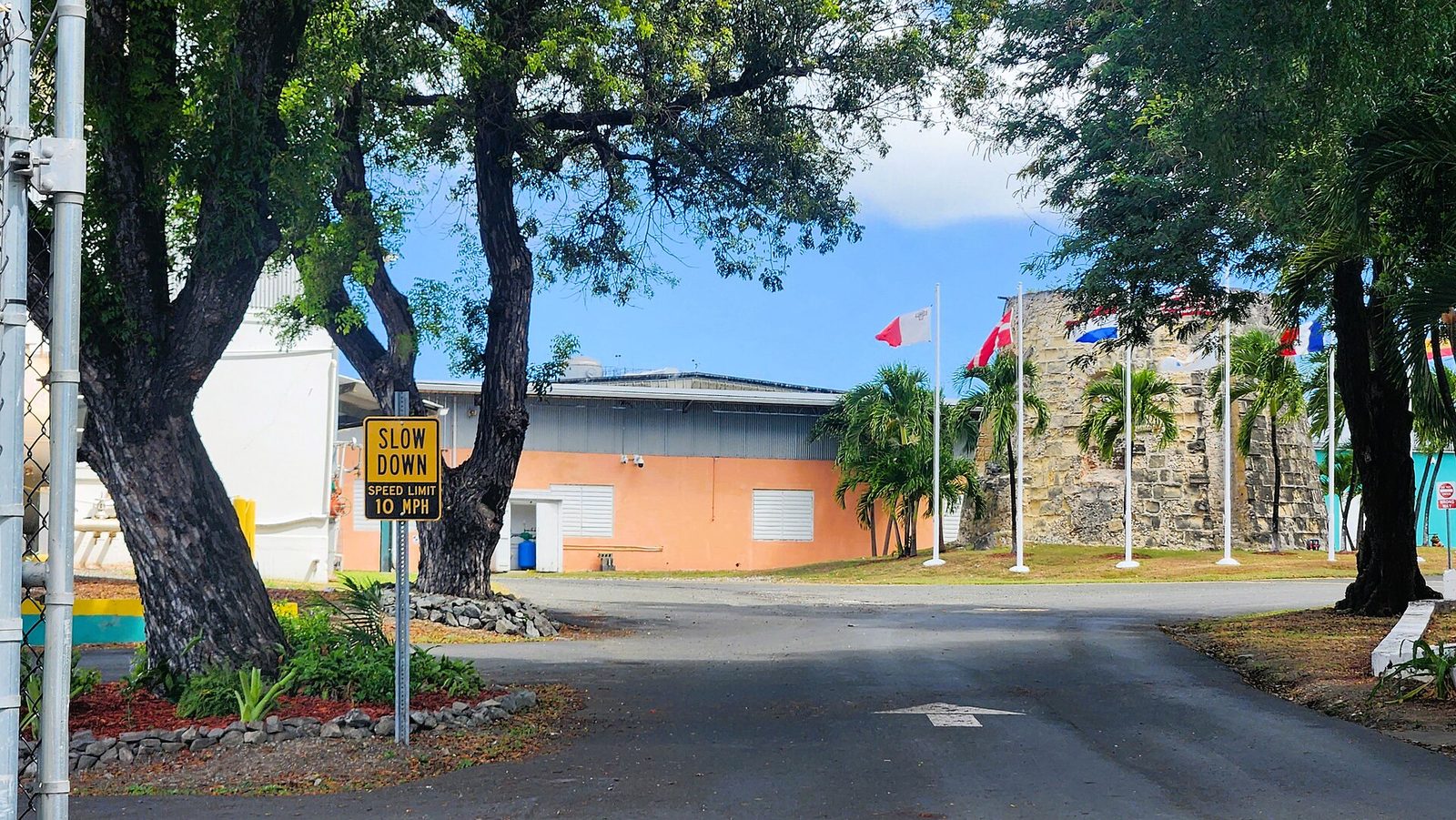
CruzanSugarmill20230926 102620
Cruzan Rum is distilled at Estate Diamond on St. Croix's west end; the distillery tour runs on weekdays. Photo: CaptJayRuffins (CC BY-SA 4.0)

The local counters, and where to find them

Start mid-island. La Reine Chicken Shack, at 24 Estate La Reine in Kingshill — on Route 75 just off Centerline Road — is the single best stop on the island for local food in this guide, and it is not close. It is an outdoor restaurant with a full bar; the chicken is slow-cooked over "pure coal" with the house seasoning, in its own description, and the board runs to ribs, steak, pork chops, meatloaf, conch and fish, with a whole roasted pig every Saturday. Sides are mac-and-cheese, rice and beans and those johnny cakes.

Hours as of 2026 are 11 am to 7 pm Monday to Wednesday and 11 am to 8 pm Thursday to Sunday; the phone is (340) 778-5717. At the time of writing it is rated 4.6 on TripAdvisor and ranked second of the island's 155 listed restaurants, and a February 2026 reviewer called the food "outstanding." Bring cash, expect a line at Saturday lunch, and eat outside with everyone else.

Singh's Fast Food on King Street, Christiansted, is the roti and curry counter covered above. Toast Diner and Frescos Kitchen & Pub House are the Christiansted breakfast-and-lunch spots — small, homemade, early. Turtle's Deli in Frederiksted is the west end's institution for oversized sandwiches and barbecue, takeout or at outdoor picnic tables, and Polly's at the Pier does coffee and lunch by the water. None of these is a Crucian-food shrine; all of them will feed you well and cheaply, and the daily special is the thing to order.

The rest of the local counters are roadside. Food trucks and stands come and go faster than any directory can track them, which is why we do not list them by name; the pattern is that they work the main roads and the towns at lunch, sell pates, johnny cakes, chicken and juices, take cash, and sell out. Ask your server or the person at the next market table where they eat lunch, and go there. That question beats any list.

Hours change without notice, Sunday and Monday closures are common, and a phone call saves a drive. Our restaurant directory carries the verified listings.

DishWhat it isWhere to try it
KallalooGreens-and-okra stew with fish, salted meat or crab, ladled over fungiLocal counters and festival stalls — and Old Year's Night if you are on island
Fungi and fishCornmeal-and-okra ball with boiled fish in a buttered onion-and-pepper sauceLocal lunch counters, late in the week
Johnny cakesSmall fried, slightly sweet breadsLa Reine Chicken Shack, market tables, festival stands
PatesFried turnovers filled with beef, chicken, conch or saltfishRoadside stands, market tables, festival food fairs
Saltfish and eggsRehydrated salt cod stewed with onions and peppers — the Crucian breakfastChristiansted breakfast spots (ask for the local breakfast)
RotiCurried chicken, goat, conch or potato-and-chickpea in a thin flatbreadSingh's Fast Food, King Street, Christiansted (call ahead)
Conch in butter sauceConch stewed soft with onions and pepperLa Reine Chicken Shack, Singh's, local counters
Coal-cooked chicken and Saturday pigChicken slow-cooked over coals, plus whole roast pork on SaturdaysLa Reine Chicken Shack, Kingshill
Local fish, restaurant styleDayboat catch, ceviche, grilled or crusted filletsAMA at Cane Bay, Duggan's Reef, Rum Runners
Sorrel and maubiSpiced red hibiscus drink and the bittersweet fermented-bark drinkLa Reine market, festival stalls, December everywhere

The restaurants worth booking

Christiansted holds most of the sit-down restaurants. Check our restaurant directory for the full list and the owner's recommendations; a few worth knowing for a villa group are here. Savant, downtown, has been the town's fine-dining staple since 1998, cooking a mix of Caribbean, Asian and Mexican flavors, and reservations matter. Galangal, at 17 Church Street, is upscale French-Asian, with Thai, Vietnamese and Malaysian influences and a long wine list. Un Amore, on the outskirts of town, is Frank and Katherine Pugliese's Italian restaurant, and Rum Runners on the boardwalk is the long-running waterfront steaks-and-seafood spot. None of these is Crucian cooking, exactly; they are where the island's ingredients get a white tablecloth.

On the north shore, AMA at Cane Bay is the one to book for fish: an oceanfront restaurant that describes itself as sustainable seafood and craft cocktails, supplied by local farmers, fishermen and divers. Down the beach, The Landing Beach Bar is the toes-in-the-sand option; both are in the Cane Bay guide.

On the East End — your end — Duggan's Reef at Teague Bay has been family-run since 1983 and serves local seafood on the beach at dinner; The New Deep End at Tamarind Reef Resort by Green Cay Marina does breakfast, lunch and dinner by the water; and The Terrace at The Buccaneer is the resort's dinner restaurant, with the casual Beauregard's on the Beach by day. In Frederiksted, the Beach Side Café at Sand Castle on the Beach serves lunch, dinner and weekend brunch on the water.

For a villa party of ten or twelve, ask early: a table for a dozen at Savant or Galangal on a Friday in February is a request to make a week or more ahead, and the concierge will make the calls.

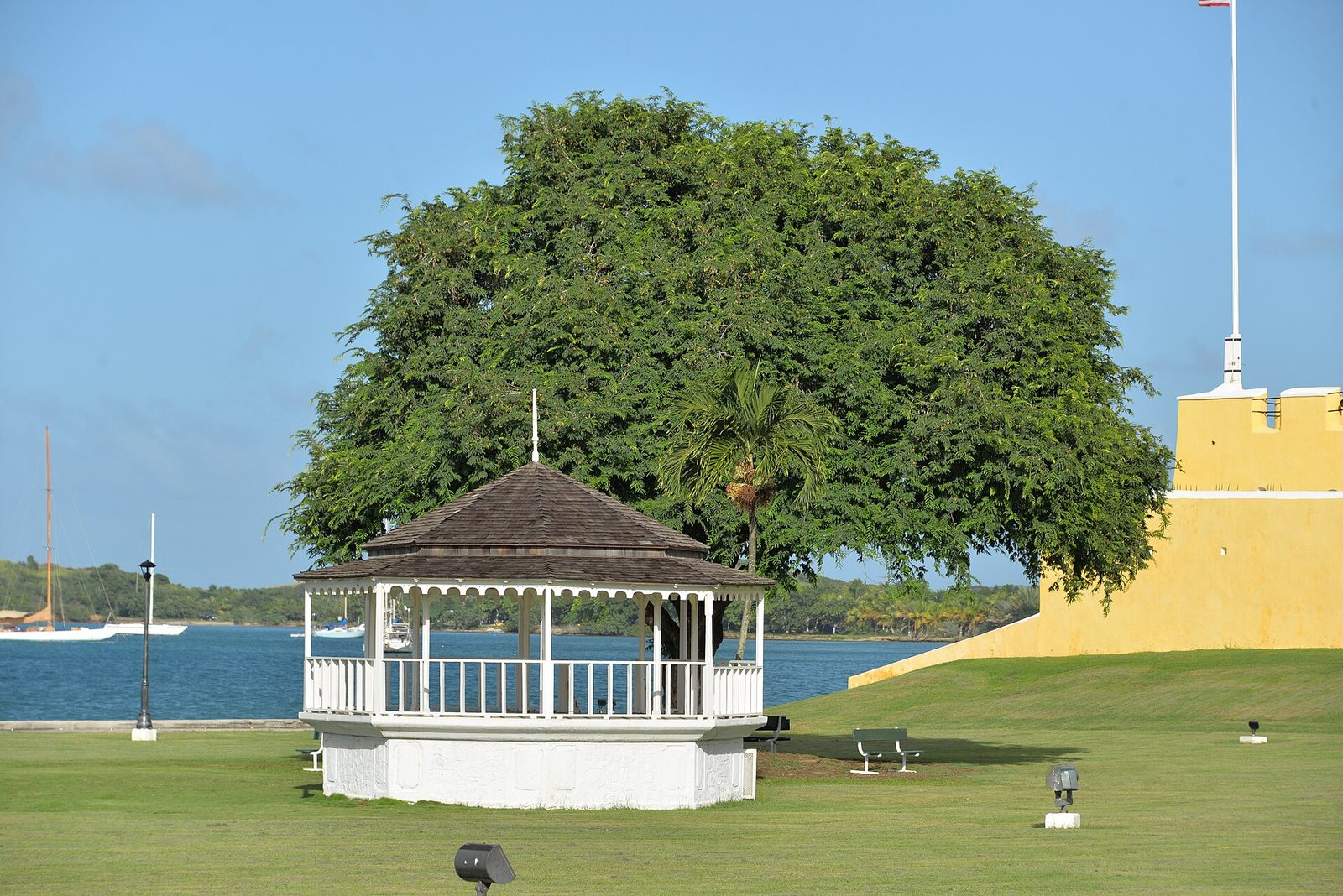
CHRISTIANSTED NATIONAL HISTORIC SITE
Photo: JERRYE & ROY KLOTZ MD (CC BY-SA 3.0)
Christiansted, St Croix 00820, USVI - panoramio (1)
Photo: Андрей Бобровский (CC BY 3.0)
East End, St Croix 00820, USVI - panoramio (1)
Photo: Андрей Бобровский (CC BY 3.0)

Saturday morning at the market

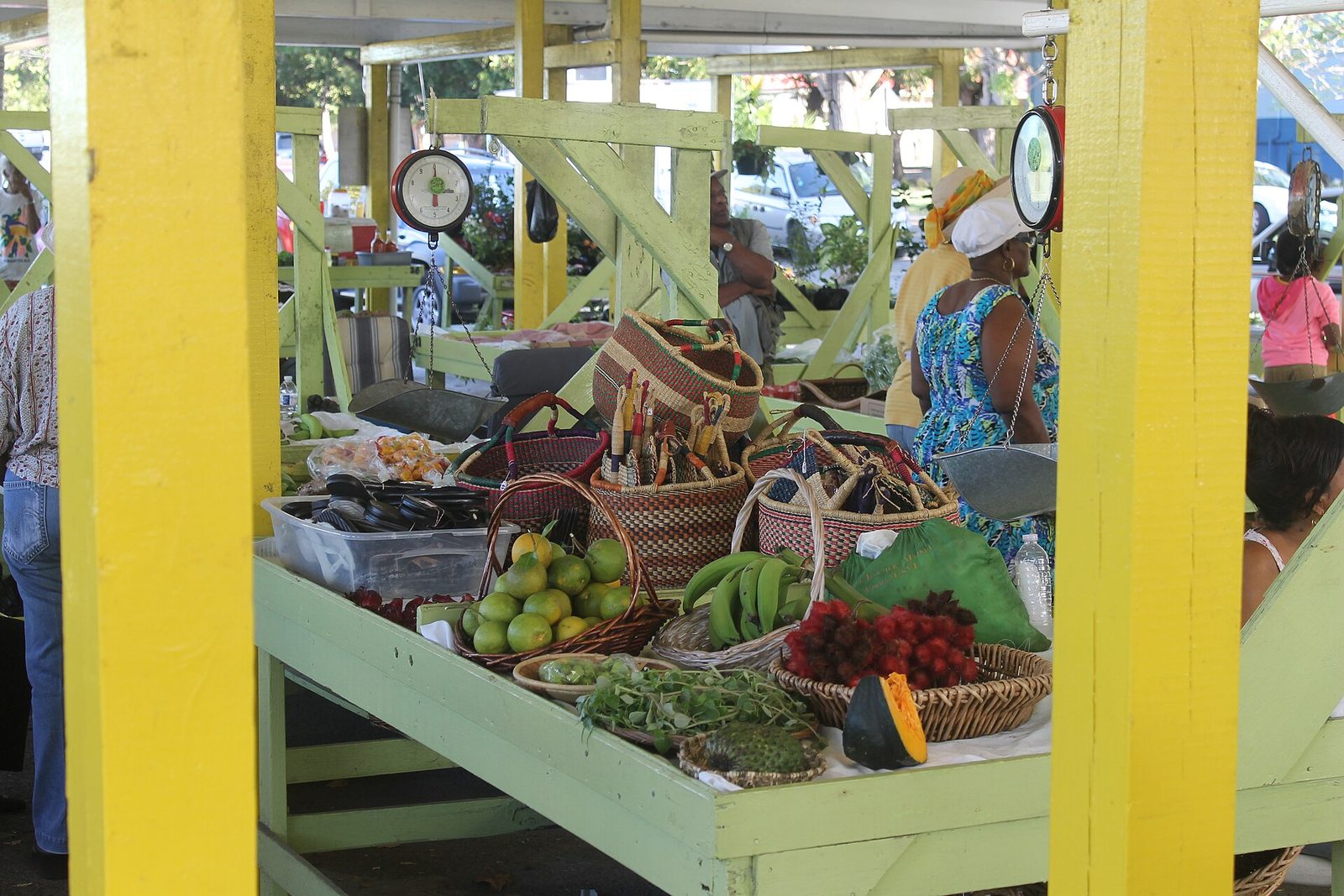
The La Reine Farmers Market is the best food morning on St. Croix, and it costs nothing to walk. It sets up mid-island in Estate La Reine — just south of the Chicken Shack and the bus stop — on Saturdays from first light; vendors are there as early as 5 am and the good produce is gone by late morning, so aim to arrive by 7 or 8.

It is a Virgin Islands Department of Agriculture market: vendors sell local vegetables, fruit, plants and trees, plus herbs, honey, eggs, baked goods, cold-brew coffee, kombucha, bottled bush tea, dried sorrel flowers and fresh fish, with the fruit changing by season — bananas, avocados, papaya, soursop, sugar apple, mesple, egg fruit. Bring cash and a bag, and talk to the farmers; they are generous with what they know.

Two smaller markets are worth knowing. ARTfarm, Luca Gasperi's organic vegetable and fruit farm, sells from its own stand Saturday 10 to noon, but the schedule shifts with the season, so check artfarmllc.com or call (340) 514-4873 first. And on the East End, closer to the villa, the Southgate Corner Farmer's Market sets up on East End Road near Southgate Baptist Church — small, and worth a stop if it is running the week you are here; ask the concierge for its current day.

What to buy for the villa: whatever fruit is ripe, herbs and hot peppers for the kitchen, eggs, honey, a bottle of bush tea for the mornings, a bag of dried sorrel to steep, and, if the fish vendor is there, the fish for that night's dinner, on ice, straight into the second refrigerator at the house. Ask the vendors how they cook what they sell; you will usually get a recipe free with the produce.

A note on Frederiksted: the West End town has no fixed farmers market, but it pairs with the Cruzan tour and the pier for a full west-end day — Polly's at the Pier for lunch, Rhythms at Rainbow Beach at sunset. Do the market first, then drive west.

Farmersmarketstcroix
A St. Croix farmers market — produce, herbs, honey and bush tea sold from stalls on a Saturday morning. Photo: Connie Ma (CC BY-SA 2.0)

The food calendar

Three dates organize the eating year, and each has its own guide here, so this is only the pointer. Agrifest — the Virgin Islands Agriculture and Food Fair — runs over Presidents' Day weekend in February, and its food stalls are the widest spread of Crucian cooking you will see in one place, with the farmers themselves a few steps away; read the Agrifest guide.

Taste of St. Croix, the island's chef-and-restaurant showcase, typically runs in April at Divi Carina Bay on the East End, just down the road from The Cerulean; the food events guide has that and the other tastings around it. And the Crucian Christmas Festival, from December 26 to January 3, is the island's carnival, with a food fair, the village, and sorrel and coquito everywhere; that is the festival guide.

Beyond those, Christiansted's Jump Up street festival — four nights a year, downtown — turns the streets into a food-and-music evening; the Jump Up guide explains the pattern of dates. And there is Old Year's Night, December 31: the night the island cooks kallaloo at home. If your stay covers it, ask the concierge early about a chef who will cook the traditional pot at the villa. That is the single most Crucian meal you can eat, and it is a better New Year's Eve than any restaurant.

The quieter seasonal markers: sorrel from late November through the festival; the Saturday market changing with the harvest, so that what is on the tables in February is not what is there in August; and the fact that many local counters close Sunday or Monday, so check before you drive. The Chicken Shack, notably, is open seven days. And the big food events fall in high season, December through April, when the villa books earliest — if Agrifest or the Christmas Festival is the reason for the trip, book the house first, then the flights, then the chef.

How to order, and the mistakes to skip

Local food on St. Croix rewards a few habits. Carry cash: the counters, stands and markets that serve the best of it are cash-friendly at best and cash-only at worst. Go at lunch: the local kitchens do their real business from about 11 to 2, sell out of the day's specials, and thin out by early evening — the Chicken Shack's 7 or 8 pm close is late for the category. Ask what is local today rather than reading the menu top to bottom; the answer will steer you to the fish that came in or the pot that has been on since morning.

The mistakes are predictable. Expecting mainland hours on a Sunday or Monday. Ordering kallaloo and sending it back because it is "slimy" — that is the okra, and that is the dish. Treating saltfish as fresh fish. And eating only in the Christiansted restaurants, which are good, and are not the food of the island.

A word on heat and sauces: many local counters keep a house pepper sauce, and some are serious; ask before you pour, and start with a drop. Portions are large — a roti or a plate with two sides feeds one hungry adult or two children — so order less than you think and go back. Tip: it is customary, and the people cooking this food work hard for modest money.

Vegetarians eat better here than they expect — roti with the potato-and-chickpea filling, rice and beans, fried and stewed plantains, fungi, johnny cakes, market fruit — and Singh's advertises vegan and gluten-free options. The exception is kallaloo, which is almost always cooked with fish, salted meat or crab, so ask before you assume. If someone in the party has a shellfish allergy, say so at every counter; conch and crab go into more pots than the menu admits.

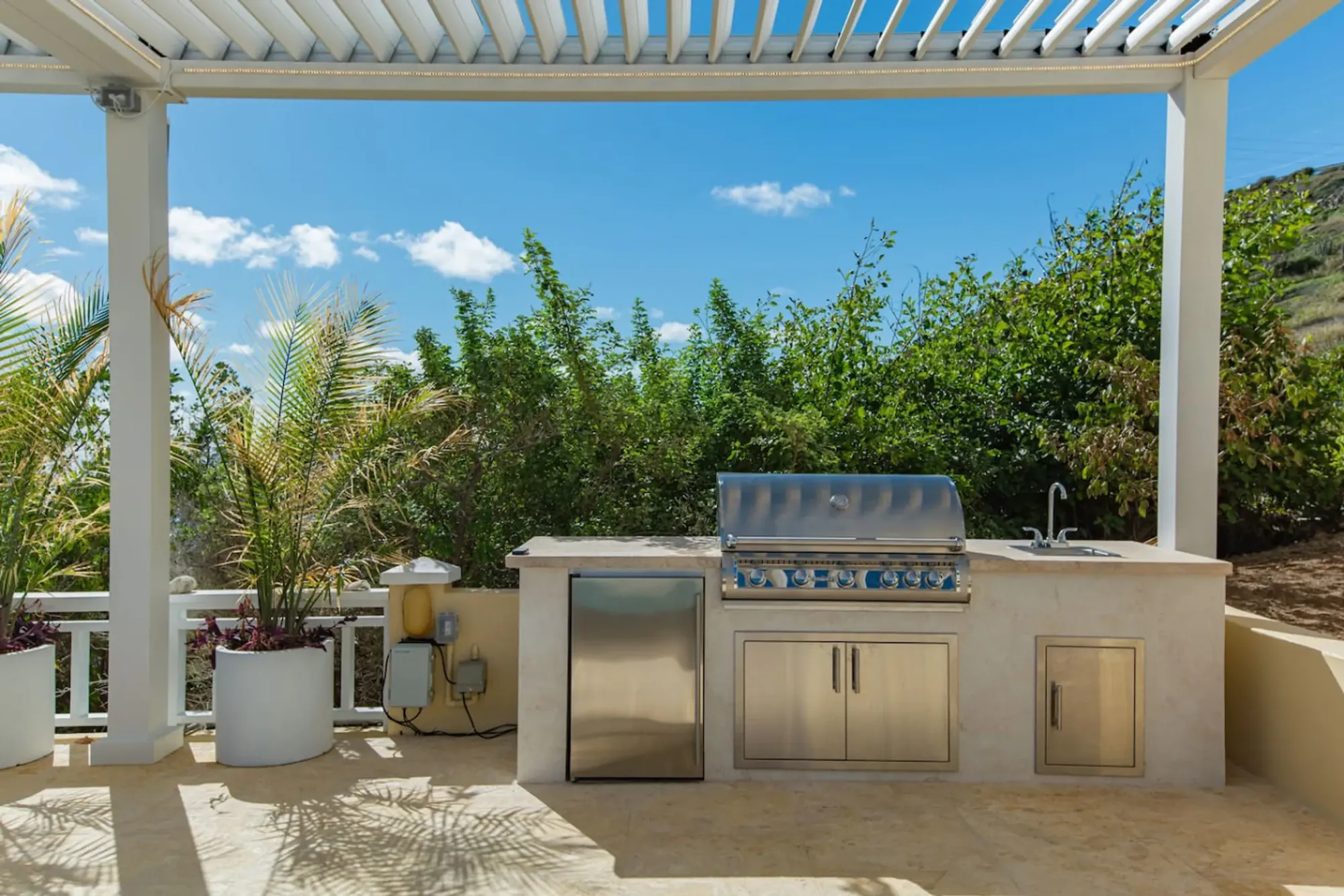
The outdoor kitchen and grill above the sea — the place for Saturday-market fish and a rum punch.
The outdoor kitchen and grill above the sea — the place for Saturday-market fish and a rum punch. Photo: The Cerulean

Cook it at the villa

The Cerulean was built for this. Its chef's kitchen has a full-size range and oven, an island, two refrigerators (one per kitchen), an ice maker, a blender and a sea-view window over the sink; the outdoor kitchen has a gas grill, and there is a fire pit and outdoor dining on the terrace above the water. A recent guest called it "the best-stocked kitchen we've ever had in a rented house." So the sensible plan for a group of eight or twelve is to eat out three or four times and cook the rest — with the island's food.

Provisioning first. Seaside Market and Deli, at Estate Mt. Welcome on the Christiansted side, is the gourmet stop — bakery, deli, cheeses, wine, fresh meat and seafood, party platters — and it also does villa provisioning. Plaza Extra East, at Sion Farm mid-island, is the full-size supermarket the territory's consumer-affairs department found to have the cheapest basket on the island; Pueblo has stores at Golden Rock and Villa La Reine; Cost-U-Less, next to Plaza Extra East, is the no-membership warehouse store for a long stay. The concierge will also stock the kitchen before you land — see the provisioning directory.

Then the chef. The catering and private-chef directory lists some of the island's options, and your concierge can provide more and arrange everything if you prefer: Zalatina Foods (chef Jamey Hughson, thirty years a cook, who does private dinners, appetizer spreads and oven-ready "drop and go" meals), Saveur Catering, Yaadie In St Croix (Jamaican and Caribbean cooking brought to villas), Chef Marshall Bishop, Chef Motta Cuisine (Caribbean, French and American, since 2014) and Bleu Chocolàt for the desserts.

Book your menus — mainland, a Caribbean-inspired menu, or, if you're adventurous, local Crucian (kallaloo over fungi, fish in butter sauce, johnny cakes, a rice dish, sorrel or a rum punch) — through the concierge at least two weeks ahead in high season. The good chefs are delighted to be asked.

And cook something yourself if you like. Fungi is, at bottom, cornmeal, okra, butter and salt in a pot — a chef can show you once. Fish from the Saturday market goes on the grill in the outdoor kitchen with lime, salt and the market's hot peppers. Buy the johnny cakes and pates rather than attempting them; they are better from someone who has made ten thousand.

The chef's kitchen at The Cerulean — where a private-chef Crucian dinner, or your own Saturday-market haul, gets cooked.
The chef's kitchen at The Cerulean — where a private-chef Crucian dinner, or your own Saturday-market haul, gets cooked. Photo: The Cerulean

A Crucian dinner at the villa

  1. Ask the concierge for a chef who cooks local dishes — kallaloo, fungi and fish, johnny cakes — a week or more ahead in season.
  2. Go to the La Reine Farmers Market on Saturday morning for fish, herbs, fruit and bush tea, then to the Chicken Shack for johnny cakes to hold everyone until dinner.
  3. Stock the bar with Cruzan and a bottle of local juice or sorrel for the punch — the two refrigerators (one per kitchen) and the ice maker are for exactly this.
  4. Eat on the terrace at sunset, keep the leftovers for lunch, and hand the chef a pen for the recipe card.

Questions people ask

What is kallaloo?

Kallaloo (also spelled callaloo) is the Virgin Islands' greens-and-okra stew. If you know Louisiana gumbo you know the family — both grew out of West African okra soups. On St. Croix it is usually built on spinach — older cooks used taro leaves — cooked down for hours with okra, onions, celery, thyme and parsley, plus fish, salted pork or beef, and crab or lobster when the cook can get them. It is thick, deep green and slightly slippery from the okra, and it is ladled over a ball of fungi. It came to the Caribbean with enslaved West Africans and is the dish Crucians eat on Old Year's Night, December 31.

Is there a national dish of the U.S. Virgin Islands?

Not an official one. Kallaloo has the strongest claim — on December 31, 2021, the St. Croix Source ran a commentary titled Let Us Make Kallaloo Our National Dish for 2022, and the Virgin Islands Daily News carried a similar opinion piece. Fungi, the cornmeal-and-okra staple, is the everyday food it sits on, served with boiled fish or saltfish or under kallaloo. If you eat kallaloo and fungi and a plate of johnny cakes and pates, you have eaten the Virgin Islands.

What are pates on St. Croix?

Pates (say PAH-tays) are fried turnovers: seasoned dough folded around a filling of beef, chicken, conch or saltfish, deep-fried until blistered and golden. If you have had a Jamaican beef patty or a Latin American empanada, a pate is the same idea, fried a little harder. They are the island's real street food, sold from roadside stands, market tables and festival food stalls, wrapped in a napkin and eaten hot. Bring cash, buy them before early afternoon when the stands sell out, and try a little of the house pepper sauce first — some are serious.

Where can I eat authentic Crucian food on St. Croix?

Start at La Reine Chicken Shack, mid-island in Estate La Reine off Centerline Road: coal-cooked chicken, ribs, conch, fish, a whole roasted pig on Saturdays and the island's best-known johnny cakes, open 11 am to 7 or 8 pm as of 2026, cash-friendly. Singh's Fast Food on King Street in Christiansted is the long-running roti and curry counter (call ahead). Beyond those: the food stalls at Agrifest and the Crucian Christmas Festival, and the La Reine Farmers Market on Saturday mornings. Harvey's and Villa Morales, the two old local-food institutions, are closed.

When is the St. Croix farmers market?

The La Reine Farmers Market runs Saturday mornings, mid-island in Estate La Reine just south of La Reine Chicken Shack, with vendors setting up as early as 5 am and the best produce gone by late morning — aim to arrive by 7 or 8. It sells seasonal fruit and vegetables, herbs, honey, eggs, plants, baked goods, bottled bush tea, dried sorrel and fresh fish. Bring cash and a bag. ARTfarm sells from its own stand on Saturdays and the East End has the small Southgate Corner market; check current schedules for both.

What is maubi (mauby)?

Maubi, spelled mauby elsewhere in the Caribbean, is a bittersweet cold drink made from a fermented tree bark, sweetened and served chilled from market coolers and festival stalls. The nearest thing a mainlander has tasted is a bitter, not-very-sweet root beer. It is the acquired taste of the island — the first sip is bitter, the second is better — and locals enjoy handing it to visitors. It sits alongside sorrel (the spiced red hibiscus drink of December), bush tea (herbal tea from local plants such as lemongrass, mint, lime leaf and moringa) and juices of soursop, passion fruit, sea moss and ginger.

What do people eat and drink at Christmas on St. Croix?

Sorrel, above all — the tart, spiced red hibiscus drink that appears from late November through the Crucian Christmas Festival (December 26 to January 3) — and, from the island's Puerto Rican families, coquito, the coconut-and-rum drink that is Vieques's answer to eggnog. The festival's food fair stalls are the island's biggest open-air kitchen that week. And on Old Year's Night, December 31, kallaloo is the traditional meal of good fortune, eaten to start the New Year fresh; the elders add that serving it to your loved one means a wedding by June.

Can a private chef cook Crucian food at The Cerulean?

Yes. The concierge arranges private chefs for a single dinner or a whole stay, and the island's caterers — Zalatina Foods, Saveur Catering, Yaadie In St Croix, Chef Marshall Bishop, Chef Motta Cuisine — are listed in our catering directory. Ask specifically for local dishes (kallaloo over fungi, fish in butter sauce, johnny cakes, a rice dish, sorrel or a rum punch) rather than a generic Caribbean-inspired menu, and book at least a week ahead in high season, earlier for Old Year's Night.

Are there vegetarian options in Crucian food?

Plenty, if you know the names. Roti comes with a potato-and-chickpea filling; rice and beans, fried and stewed plantains, fungi and johnny cakes are all meat-free by default; the Saturday market is a fruit-and-vegetable event; and Singh's Fast Food advertises vegetarian, vegan and gluten-free plates. The exception is kallaloo, which is almost always cooked with fish, salted meat or crab — ask before you assume. Pates usually have meat, conch or saltfish fillings.

Which St. Croix restaurants have closed?

As of mid-2026: Harvey's in Christiansted (the beloved local restaurant), Villa Morales in Frederiksted (April 2019; the family cooks occasional pop-up nights at Sand Castle on the Beach), Balter in Christiansted, Rowdy Joe's Northshore Eatery (closed March 2025 per its Yelp listing), Eat @ Cane Bay, The Galleon at Green Cay, and Zion Modern Kitchen, which now does private events only. Restaurants here close quietly, so check our restaurant directory or call before you drive.

Doing it from The Cerulean

Geography sets the plan. The villa is on the East End; Christiansted is about 15 to 20 minutes by car, and the mid-island stops — La Reine Chicken Shack, the Saturday market, Sion Farm — are roughly half an hour to forty minutes along Centerline Road. Frederiksted, Cruzan and Cane Bay are the far side of the island; figure the better part of an hour each way.

So the food week arranges itself. Weekday evenings: Christiansted's restaurants, or the East End's own — Duggan's Reef at Teague Bay and The New Deep End at Green Cay — for the shortest drive home. One weekday: the rum and vodka tours west and mid-island, with lunch at the Chicken Shack in between, since it opens at 11. Saturday: the market at dawn, then the Chicken Shack's roast pig at lunch. And one dinner cooked at the villa by a chef who knows kallaloo.

If you decide to cook local for a day, an early start helps. The house faces east, and if you are up with the light you can be at the La Reine market by 8 with the coffee still hot, back at the villa by late morning with fish on ice, and on your own beach by noon. That could be the best food day on the island.

The concierge does the rest: chef bookings for one night or the whole stay, provisioning before arrival and mid-stay, a bartender for the evening you have in mind, and a vehicle sorted for the week, since nothing in this guide is walkable from the East End. Tell the concierge what you want to eat. Kallaloo, fungi and fish, johnny cakes, a Saturday pig, sorrel in December — all of it is on the island this week, and every part of it can be arranged when you book.

The Cerulean's pool at sunset above the sea
The Cerulean

Twelve of you, one private beach.

The Cerulean sleeps twelve on St. Croix's quiet East End — check your dates.

Sleeps 12 · 4.90 ★ · rates by season
Keep reading

Related guides.

The Cerulean villa at dawn above the sea
The Cerulean

Read it here. Live it from the villa.

Five bedrooms, a private beach, and all of this within a day trip.

Sleeps 12 · 4.90 ★ · rates by season