Sea Turtles of St. Croix: Where They Nest, When & How to Watch
St. Croix guides · Beaches & the water27 min readUpdated Aug 2026
Leatherbacks, hawksbills and greens all use this island. Here is where each one nests, the programs that let you watch, and the rules that keep them coming back.
Three kinds of sea turtle use St. Croix, and each has its own beach. Leatherbacks, the largest turtles alive, nest at Sandy Point on the southwest tip, the biggest leatherback nesting beach in the United States. Hawksbills nest on Buck Island, where the Park Service has tagged them since the late 1980s. Green turtles graze the seagrass off the East End and nest by the hundreds at Jack and Isaac Bay, about five minutes from the villa. This guide is about seeing them without doing harm: the seasons, the programs, the rules, and the honest odds.
The National Park Service is plain about the cast: three species of sea turtle nest in the Virgin Islands. The hawksbill and the leatherback are listed as endangered under the Endangered Species Act, the green turtle as threatened, and loggerheads turn up now and then but do not nest here regularly. Everything else in this guide follows from those three animals and where each chooses to lay.
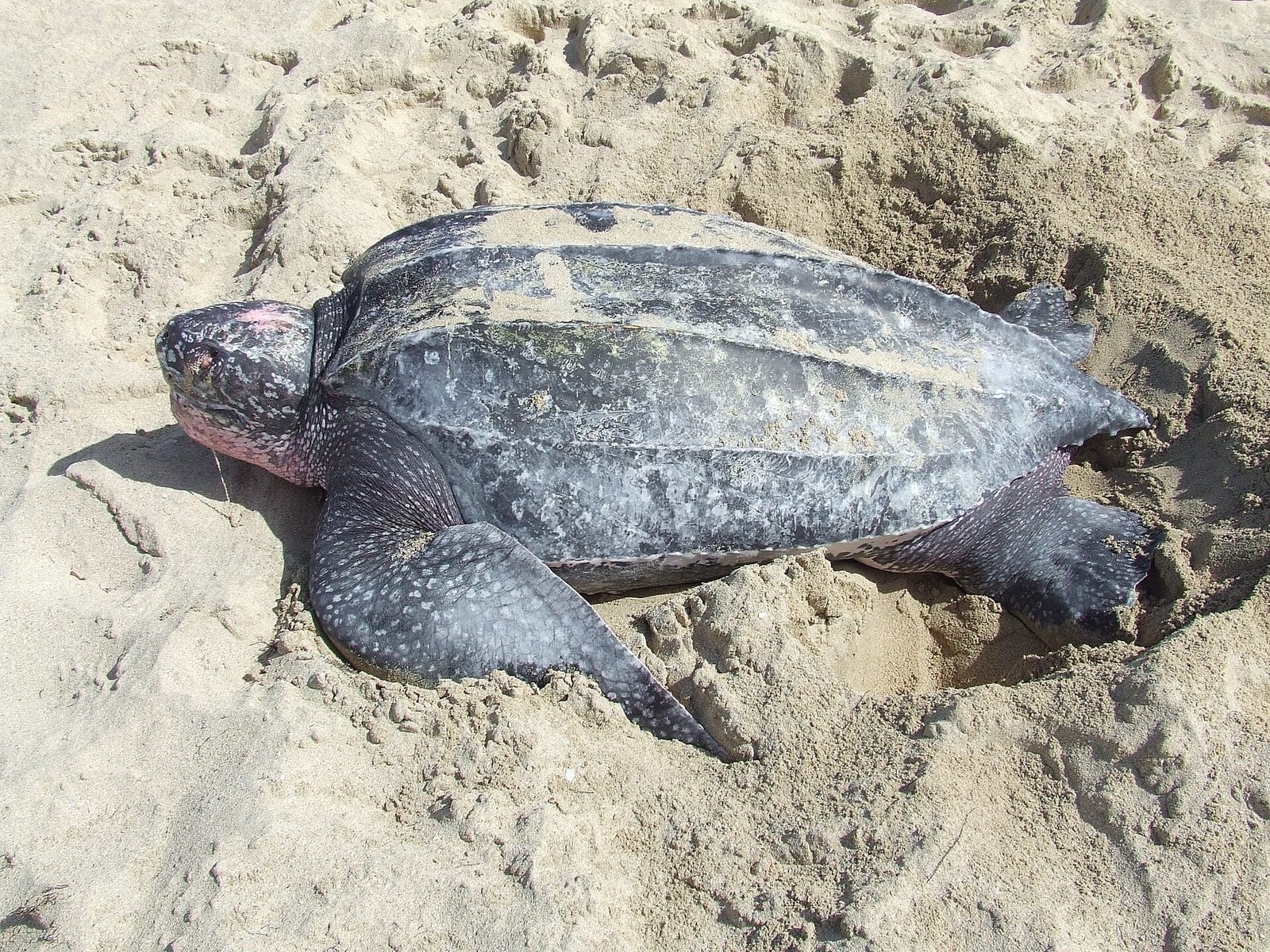
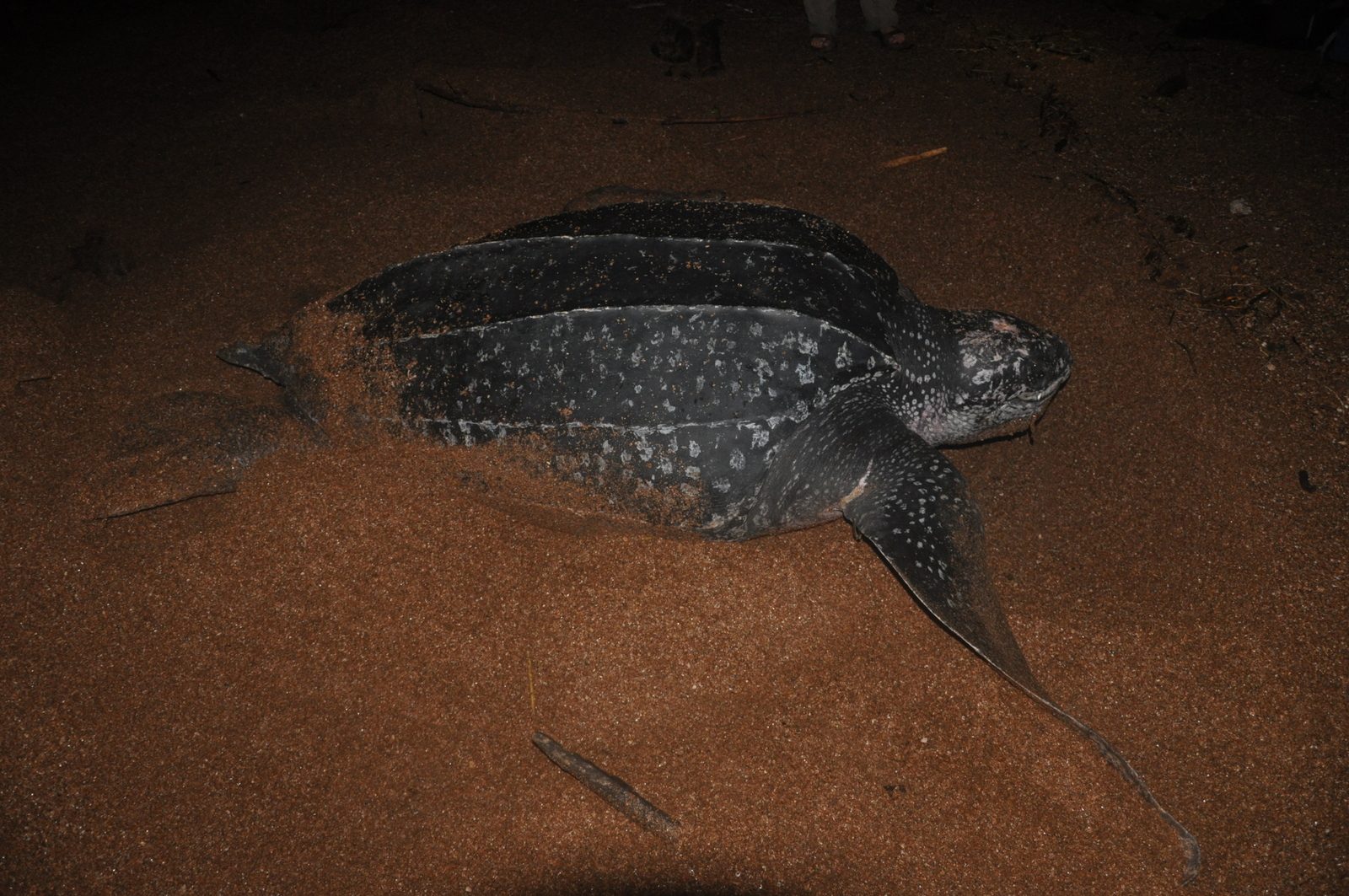
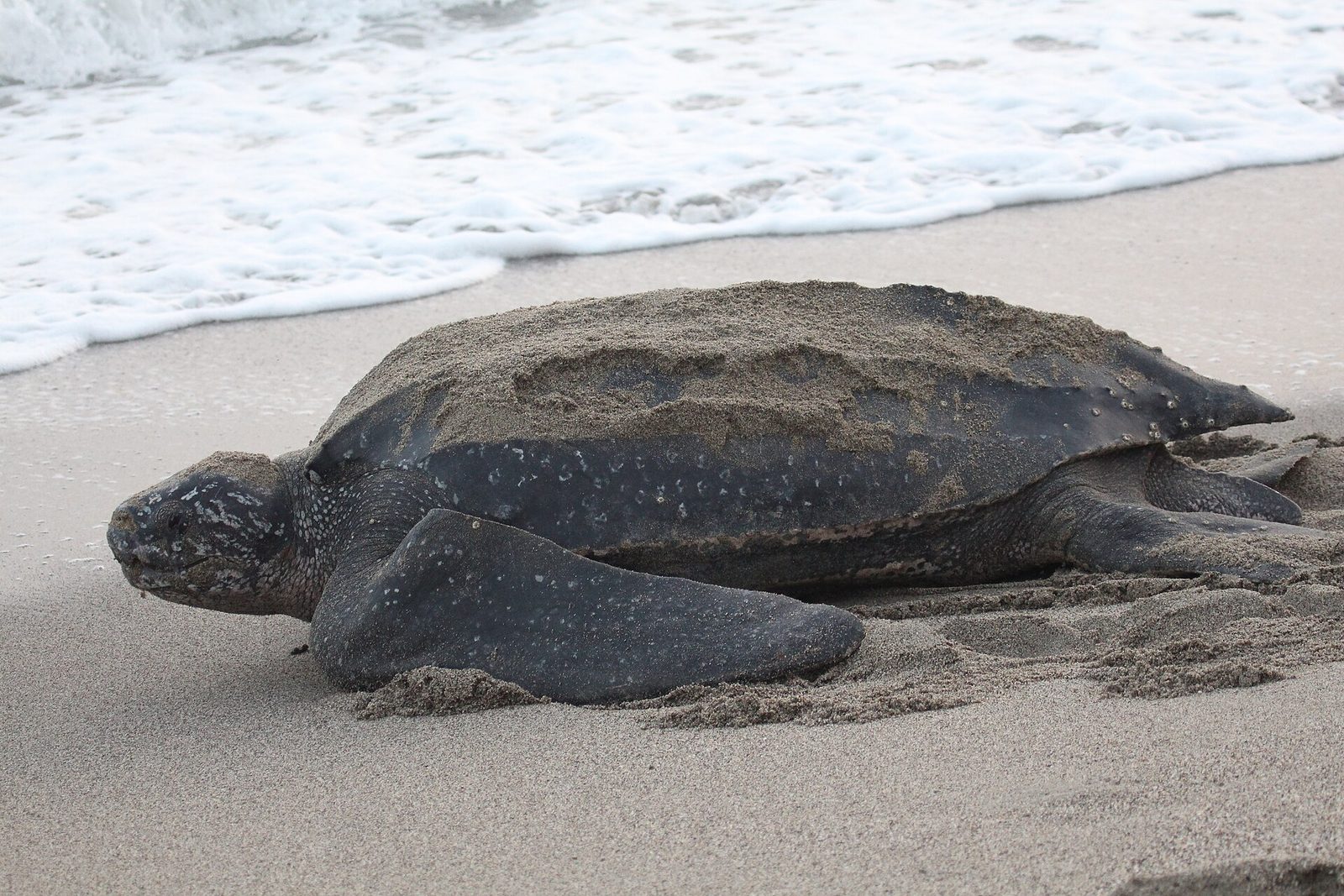
The leatherback is the one you will almost certainly never meet in the water. It has no hard shell at all, just a ridged, leathery back the color of wet slate, and NOAA puts an adult at five to six feet long and 750 to 1,000 pounds. It is an open-ocean animal that eats jellyfish and comes ashore only to nest, at night, on a handful of beaches. On St. Croix that beach is Sandy Point, and the only legal way to see one is on the refuge's guided Turtle Watch in April.
The hawksbill is the reef turtle, named for its narrow, hooked beak, and it is the species snorkelers most often meet on the East End and at Buck Island. It is the smallest of the three, two to three and a half feet of shell and 100 to 150 pounds by NOAA's numbers, with a patterned, overlapping shell whose rear edge looks serrated. That shell is the tortoiseshell of old combs and spectacle frames, which is the short version of why the species is endangered. It picks at sponges between coral heads and generally ignores you if you let it.
The green turtle is the grazer. NOAA calls it the only herbivorous sea turtle; adults eat seagrass and algae, and the name comes from the color of their fat rather than their shell. It is bigger and rounder than a hawksbill, three to four feet and 250 to 400 pounds, and you will see it in the shallows over seagrass, head down, coming up every few minutes for a breath. Greens nest on St. Croix too, and in the last two decades their nesting numbers here have climbed fast. Learn the three silhouettes and the rest of the island's turtle story sorts itself out.
Species
ESA status
Adult size (NOAA)
Eats
Where it nests on St. Croix
Leatherback
Endangered, listed 1970
5–6 ft, 750–1,000 lb
Jellyfish and salps
Sandy Point, roughly March–July
Hawksbill
Endangered, listed 1970
2–3.5 ft shell, 100–150 lb
Mostly sponges
Buck Island, Jack and Isaac Bay, roughly April–November
Green
Threatened (North Atlantic population)
3–4 ft, 250–400 lb
Seagrass and algae
Jack and Isaac Bay, Sandy Point, roughly July–December
The leatherback, an ocean animal that comes ashore
Start with the animal, because the numbers explain everything Sandy Point does. NOAA Fisheries lists the leatherback as endangered under the Endangered Species Act since 1970. It has pointed, tooth-like cusps and sharp-edged jaws built for soft prey, jellyfish and salps mostly, and it follows that food into water no other turtle can reach: dives to roughly 4,000 feet, deeper than any other sea turtle, staying down as long as 85 minutes. The largest ever recorded, by the figure GoToStCroix's leatherback primer uses, was 10 feet long and 2,019 pounds.
A female nests every two to four years. When her year comes she hauls out at night, digs, and lays roughly 100 eggs, then comes back to do it again at intervals of eight to twelve days, several times over a season; the local primer counts four to seven nests about ten days apart, each holding around 80 billiard-ball-sized fertile eggs plus about 30 smaller, yolkless ones. Incubation takes about two months (65 days is the local rule of thumb). Hatchlings dig out at night, run for the brighter horizon over the sea, and swim. By the estimate the primer quotes, one in a thousand reaches maturity.
In U.S. waters, NOAA says, leatherback nesting happens mainly in Florida, Puerto Rico and the Virgin Islands, and its species page names Sandy Point on St. Croix outright. The U.S. nesting season runs March to July. That is why the refuge's calendar looks the way it does, and why the St. Croix Sea Turtle Project's own homepage says the season starts on March 1 with the first hatchlings appearing from mid-May.
The trend is the sobering part. NOAA reports the global leatherback population down about 40 percent over the past three generations, with the worst of it in the Pacific, where the eastern population has fallen 97 percent. Atlantic leatherbacks have done better, and for a while the St. Croix beach was one of the best stories in the species. The next two sections are that story, including its unresolved present.
A leatherback sea turtle. Adults run five to six feet and 750 to 1,000 pounds; the females nest on open sand from about March into July.Photo: Marco Farouk Basir (CC BY-SA 3.0)
Sandy Point, the leatherback beach
Sandy Point National Wildlife Refuge sits at the island's southwest tip, past Frederiksted, and it exists for one reason. GoToStCroix's refuge page states it directly: the primary focus is the conservation of nesting habitat for the endangered leatherback, and the beach is the largest leatherback nesting site in the United States. The refuge was established in 1984, when the U.S. Fish and Wildlife Service bought 340 acres, and it grew by another 43 later on. The beach runs about two miles, which the same page calls the longest stretch of beach in the Virgin Islands, and hawksbills and greens nest there as well.
The land was recognized before the refuge was: a National Natural Landmark since 1980, with a pre-Columbian archaeological site (Aklis, roughly 200 to 400 A.D.) on the National Register since 1976, and more than 100 bird species recorded. None of that is why most visitors come. They come because the last scene of a certain 1994 prison film was shot on this sand, and because the beach is wide, white and empty. That side of the place is the Sandy Point guide; this one is about the turtles.
The rules follow the turtles. The refuge is open only on Saturdays and Sundays, 10 am to 4 pm, from September 1 through March 31, free of charge, and it is completely closed to the public from April 1 through August 31 for nesting, with the project's educational programs the only exception. Year-round, nothing gets staked into the sand: no umbrellas, no tents, no chair legs driven in, because a nest can be anywhere under that beach. Dogs stay home. And note the overlap: leatherbacks start coming ashore around March 1, while the refuge is still open on weekend days, so a March visit means the wet sand, every track left alone, and the whole beach treated as a nursery in use.
From the East End the drive is the full length of the island, about an hour, more if Christiansted is busy. Check the day of the week before you go; more than one visitor has driven an hour to a locked gate in June. In season, the only way in is the guided program two sections below.
1984Refuge established
2 milesBeach
Apr 1–Aug 31Closed
1977Research since
15Leatherback nests 2025
Nearly fifty years of counting turtles
People have been walking Sandy Point at night with clipboards for a very long time. The St. Croix Sea Turtle Project's own website says intensive research and conservation has gone on at the refuge since 1977, and the scientific literature describes the nesting population as comprehensively studied since 1981. Today the project runs in cooperation with the U.S. Fish and Wildlife Service, sponsored by The Ocean Foundation, a nonprofit; its patrols tag nesting females, count nests, and keep the long dataset going.
That dataset is one of the reasons Atlantic leatherbacks are understood at all. A paper in Chelonian Conservation and Biology summarizing the first 30 years describes a nesting population that rose steadily from 1981, most sharply between 1997 and 2001, and then stalled through the decade after 2000, with fewer first-time nesters showing up. A 2017 Royal Society Open Science paper drew on 20 years of the same beach to document declining hatching success and tie it to climate variation. Individual turtles have their own files: a leatherback tagged AAG332 was first recorded on the beach in 1981 and came back to nest in 2012, 31 years later, according to GoToStCroix's write-up on the island's rescue network.
The recent numbers are on the project's homepage, updated as the season runs. For 2025 it lists the Sandy Point nest count at 15 leatherback, 2,672 green and 229 hawksbill nests. As of August 14, 2026, the running Sandy Point tally stood at 23 leatherback, 65 green and 117 hawksbill nests, with island-wide counts across several beaches of 55, 121 and 290. Two things jump out. Leatherback nesting is a fraction of what the boom years produced, and green turtle nesting has grown enormously; on this beach the greens now out-nest the leatherbacks by more than a hundred to one in a good year.
Read those tallies as the project posts them, not as final science: a female nests every two to four years, so a thin season is not automatically a collapse. But the direction of travel for St. Croix's leatherbacks is the honest worry under this whole guide, and one more reason the beach is closed for five months. Every nest counts more when there are fifteen.
1970Leatherback and hawksbill listed as endangered under the Endangered Species Act
1977Sea turtle research and conservation begin at Sandy Point
1978Green turtle first listed under the ESA
1984Sandy Point National Wildlife Refuge established on 340 acres
1987Buck Island Sea Turtle Research Program begins, counting 12 nesting hawksbill females that year
1997Turtle Watch already running at Sandy Point by this year
1999The Nature Conservancy establishes the Jack and Isaac Bay Preserve
2001TNC turtle monitoring begins at Jack and Isaac Bay, and Buck Island's whole reef becomes no-take
2019Act 8185 bans oxybenzone, octinoxate and octocrylene sunscreens (in force March 30, 2020)
202515 leatherback nests counted at Sandy Point
Turtle Watch, and the other legal ways to see a leatherback
There is exactly one sanctioned way to stand on Sandy Point at night while a leatherback digs, and it is the St. Croix Sea Turtle Project's Turtle Watch. The project's page calls it the refuge's premier program since at least 1997, and describes it simply: participants have watched a nesting leatherback or seen an emerging nest up close. It runs on Friday and Saturday nights in April. As of this writing the page reads "Program complete for 2026," so if a leatherback is the reason you are coming, you are planning for April 2027, and you are signing up early.
How early is early? The project does not publish a cost or a group size on the page we could reach, only sign-up forms and a contact address, stxturtles@gmail.com. Treat it as what it is: a small, volunteer-run event on a protected beach, with limited nights, limited spots, and no guarantee that a turtle keeps the appointment. Dress dark, bring no white light of any kind, expect a late night on soft sand, and do exactly what the guides say about where to stand and when to move. If the turtle comes, you watch an animal the size of a dinner table lay a hundred eggs by starlight.
The rest of the summer has gentler options. Turtle Tracks and Shells runs on select Fridays in June and July: a morning walk on how the species are told apart by their tracks, followed by shell identification, and it is built for families. Sunset Watch, June through August, is an evening program that, in the project's words, focuses on the natural beauty of Sandy Point at sunset; there is a sign-up for June and July dates. Both put you inside the refuge during the months it is otherwise closed, which is the only way that happens.
The project also takes volunteers (it was recruiting for early 2027 when we checked), runs beach cleanups, offers symbolic adoptions of tagged nesting females and crocheted hatchlings to fund beach patrols, and posts under @stxleatherbacks on Facebook. If a program is full, an adoption is the way to be part of the season; if you are on island in June or July, the Friday walk is the easy yes.
How to see a leatherback nest, legally
Plan the trip for April: Turtle Watch runs Friday and Saturday nights in April only, and the 2026 program is already listed as complete.
Sign up as early as the project opens registration, through seaturtlecensus.com or stxturtles@gmail.com, and confirm your date the week before.
Wear dark clothes and closed shoes, and leave every light at the villa: no flashlights, no phone torches, no flash.
Do what the guides say about where to stand and when to move
the turtle sets the schedule and there is no guarantee one comes.
Outside April, take the Turtle Tracks and Shells walk (Fridays in June and July) or a Sunset Watch evening (June to August).
The Cerulean
Plan it from the villa.
Five bedrooms, a private swimmable beach, and all of this within a day trip.
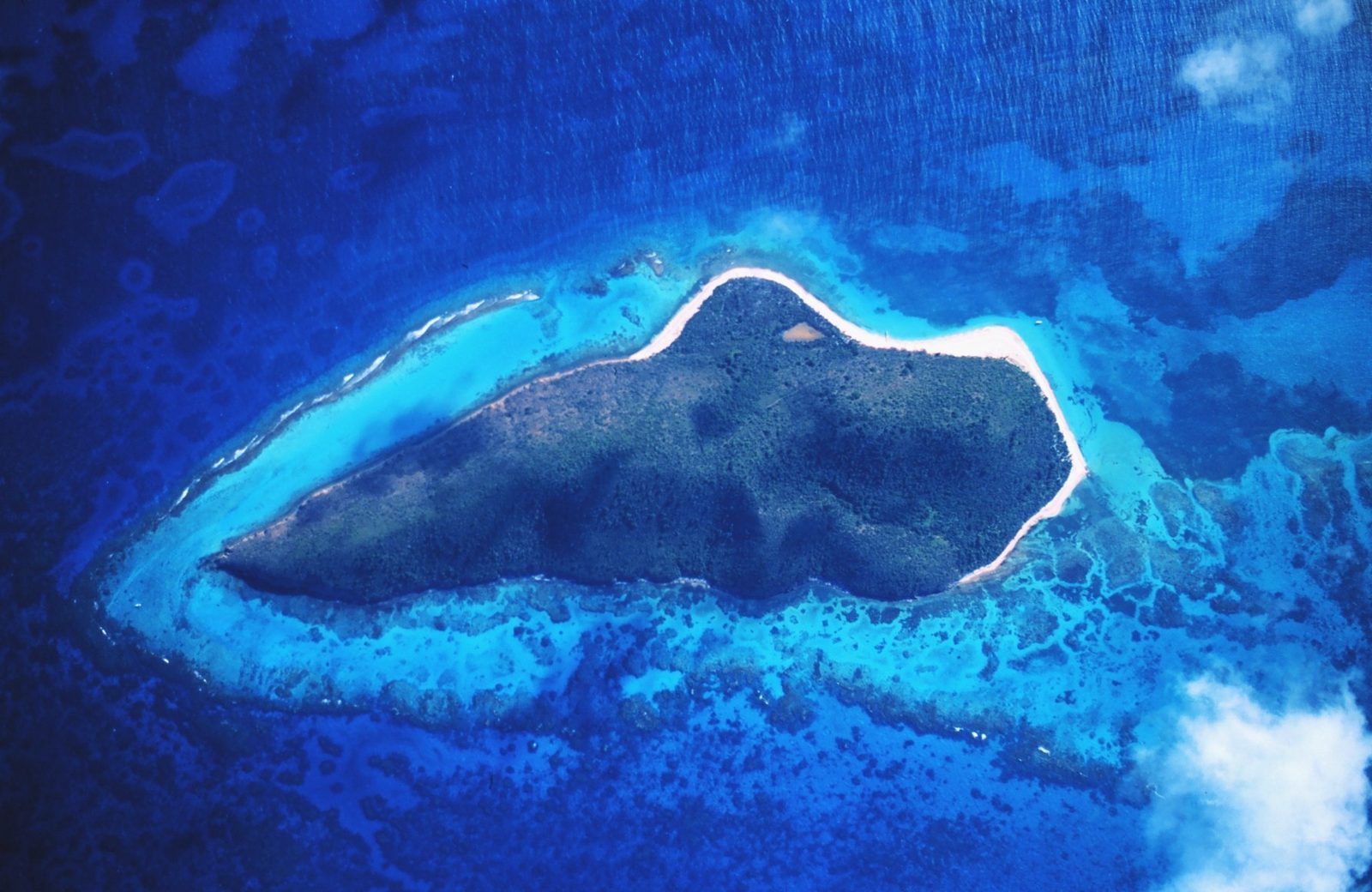
If Sandy Point is the leatherback's beach, Buck Island is the hawksbill's, and the science there is nearly as old. The Buck Island Sea Turtle Research Program began in 1987, and the National Park Service calls it one of the longest-running sea turtle programs anywhere. The park's animals page gives the standing numbers: since 1988, about 200 individual hawksbills have been tagged nesting on the monument, 20 to 40 nesting hawksbills use it in a season, and the females return every two to four years, which the park reads as strong loyalty to this beach. NOAA names Buck Island as one of the two major U.S. hawksbill nesting sites, with 100 to 150 nests a year (Mona Island, Puerto Rico, is the other).
The longer arc is the good story. In a park article on why sea turtles came back to Buck Island, the NPS says nesting there was "few and far between" in the 1970s and 1980s, that the program's first year found 12 nesting females, and that the nesting population it tracks has since grown to over 500, with several hundred individuals still nesting and putting more than 20,000 hatchlings out to sea. The article credits four things: eradicating the mongoose and rats that ate eggs, ranger patrols that ended poaching, community outreach, and relocating nests that would otherwise have been lost. Since 2001 the whole monument has been a no-take reserve, and it closes at night so the beaches belong to the turtles.
The method is saturation tagging: patrols walk the beaches from sunset to sunrise through the nesting season and tag every female they meet, so returns can be identified years later. Green turtles nest at Buck Island too, in small numbers by the animals page (one to three females and eight to ten nests in a season), and the park describes the surrounding seagrass as important foraging habitat for a recovering population of greens.
For a visitor this is straightforward. A day trip to Buck Island is the single best turtle-sighting bet on the island: hawksbills work the reef by the lagoon trail, greens graze the seagrass, and the crews know where both were yesterday. NOAA puts Caribbean hawksbill nesting at roughly April through November, but you will not see nesting on a day trip and should not try; the monument is day-use only. The boats, the trail, the permits and the rules are in our Buck Island guide, and the operators are under boat charters. When a hawksbill drifts under you on the trail, hold still and let it pass.
Buck Island Reef National Monument, about a mile and a half off St. Croix's northeast coast. The park closes at night to protect nesting hawksbills, tagged here since 1988.Photo: Wikimedia user Russavia (Public domain)
Green turtles and the seagrass of the East End
The green turtle is the one this side of the island is built for. NOAA's species page describes an animal that eats mainly seagrass and algae, lives 70 years or more, and does not breed until it is 25 to 35; the female lays about 110 eggs a nest, every two weeks or so over several months from late spring. The species was first listed under the Endangered Species Act in 1978, and a 2016 rule split it into eleven populations, of which the North Atlantic one, ours, is threatened rather than endangered. Its recovery is one of the better pieces of news in the ocean.
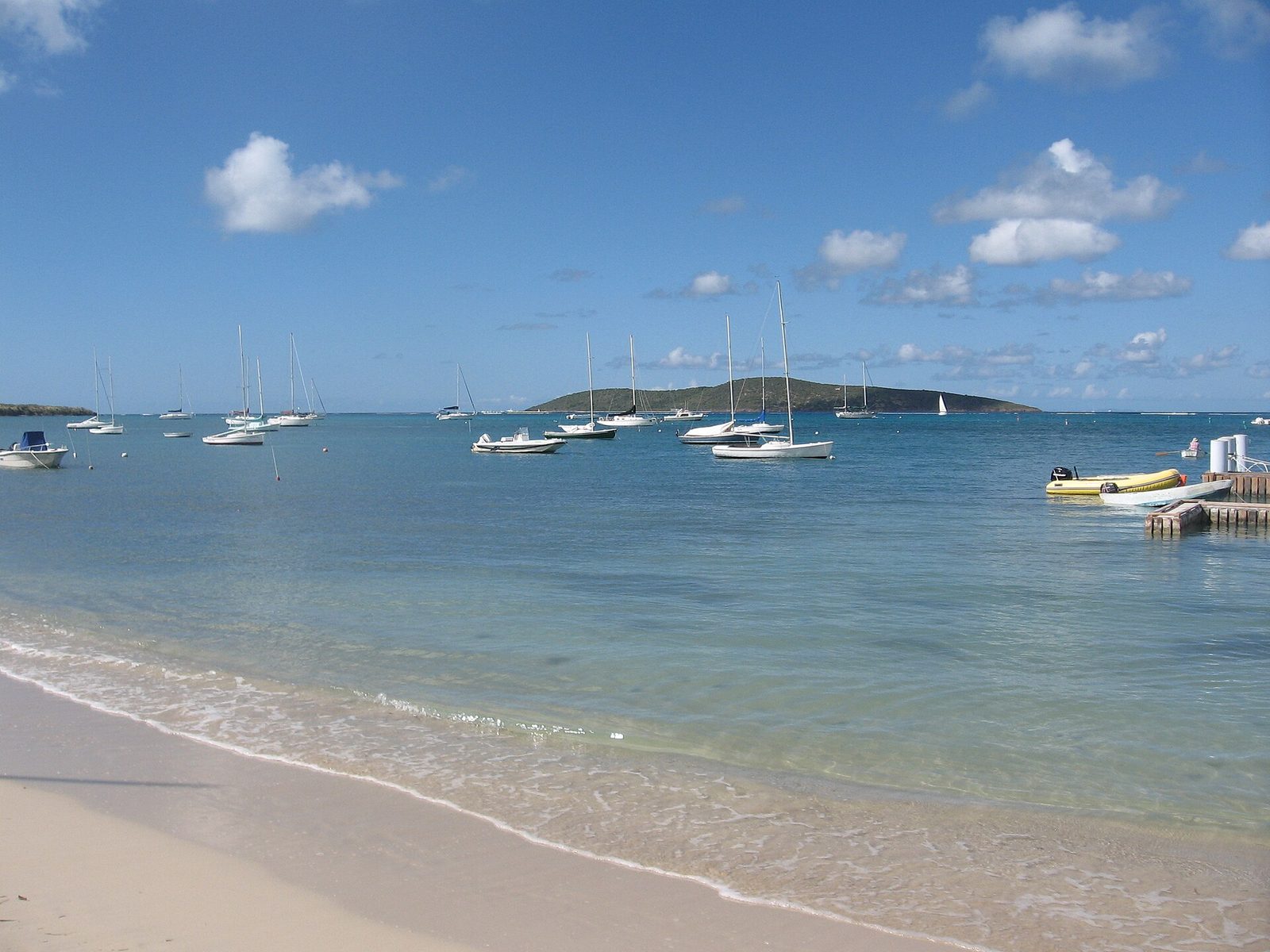
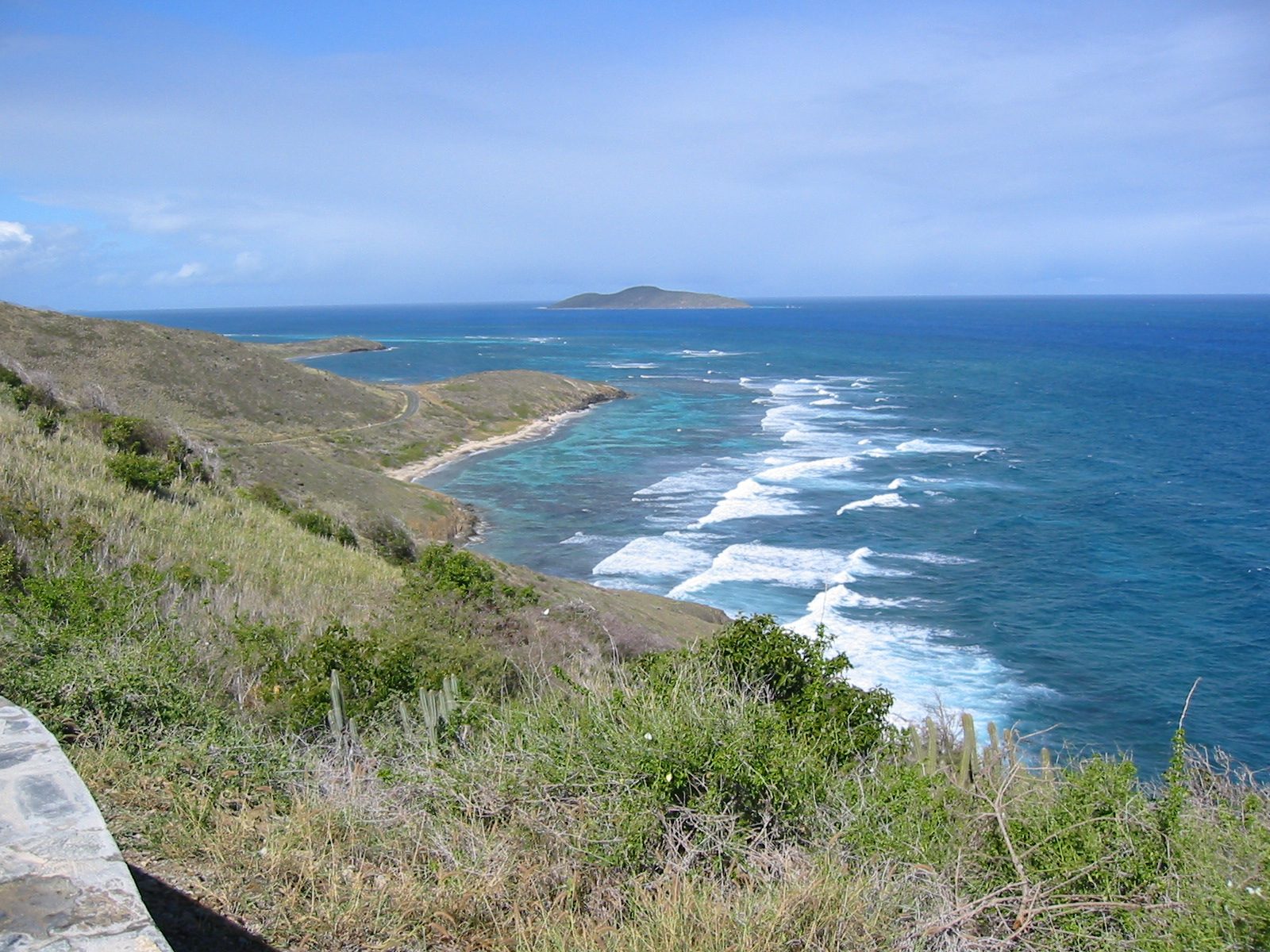
The East End is a green turtle's kind of coast: shallow, reef-protected bays with seagrass on the bottom, from Teague Bay and Chenay Bay around the point to Jack's and Isaac's on the south side. The Nature Conservancy notes that its Jack and Isaac Bay Preserve sits next to the East End Marine Park, the territory's first marine protected area, and that the two together cover the whole eastern end of the island. Chenay Bay, calm and shallow, is where island directories say turtles and rays are commonly seen, and the reef in front of the villa's private beach is the same kind of shallow, protected water a few coves along.
The nesting side has changed fast. TNC's preserve page reports that green nesting females at Jack and Isaac Bay increased from about eight to nearly 300 after its protection work began, and the St. Croix Sea Turtle Project counted 2,672 green nests at Sandy Point in 2025, against 15 leatherback nests on the same sand. For an island this size that is a remarkable turnaround, and it is why a snorkeler here in the 2020s sees far more greens than a snorkeler in the 1990s did.
One caution belongs here, because greens are the turtles you will get closest to. NOAA lists a disease called fibropapillomatosis among the threats to the species; it produces tumors on the skin and around the eyes and flippers, and you may see a turtle carrying them. It is a reason, on top of the law and plain manners, never to touch one. Watch a green graze for ten minutes and you will notice its rhythm: crop, crop, crop, a slow rise to the surface, one breath, back down. Match that rhythm from a distance and it will not leave.
From the villa's drive it is about five minutes to the trailhead for two of the most important turtle beaches on the island. The Nature Conservancy established the Jack and Isaac Bay Preserve in 1999: 300 acres of hills and dry forest running down to two undeveloped white-sand bays, reached only on foot from the parking area just before Point Udall. TNC's page says the beaches hold the largest nesting populations of green and hawksbill turtles on St. Croix, and its sea turtle protection and monitoring program has run there since 2001, with a nesting season it gives as July to December.
The results are specific. Before TNC's work, nests here were poached; afterward, by the preserve's own account, eggs from less than one percent of nests were taken. Green nesting females went from about eight to nearly 300. Offshore, the reefs of the two bays hold at least 400 species of fish (parrotfish, blue tangs, four-eyed butterflyfish and sergeant majors get named), along with elkhorn, staghorn and brain corals, conch, starfish and seagrass beds. That is why the snorkeling off Isaac Bay is as good as any shore entry on the island. Emily, who stayed at the villa in April 2026, put the geography in a phrase we keep repeating: "5 min to Jack's & Isaac's."
The rules are the ones the beaches make obvious. There are no facilities, no shade to speak of and no lifeguard; carry water and pack out everything. In nesting season, from midsummer to December, watch for marked nests above the tide line and give them a wide berth, do not dig or drive stakes anywhere on the sand, and stay off the beach at night unless you are with the monitoring team. Dogs and nesting turtles do not mix, and TNC's monitoring is exactly the kind of thing a loose dog undoes in one night.
The hike itself is in our journal, the walk down to Jack and Isaac Bay, and the whole shoreline is in the East End beaches guide. What matters for turtles is the timing: go in the morning, snorkel the reef while the sea is calm, and be back up the trail before the afternoon heat.
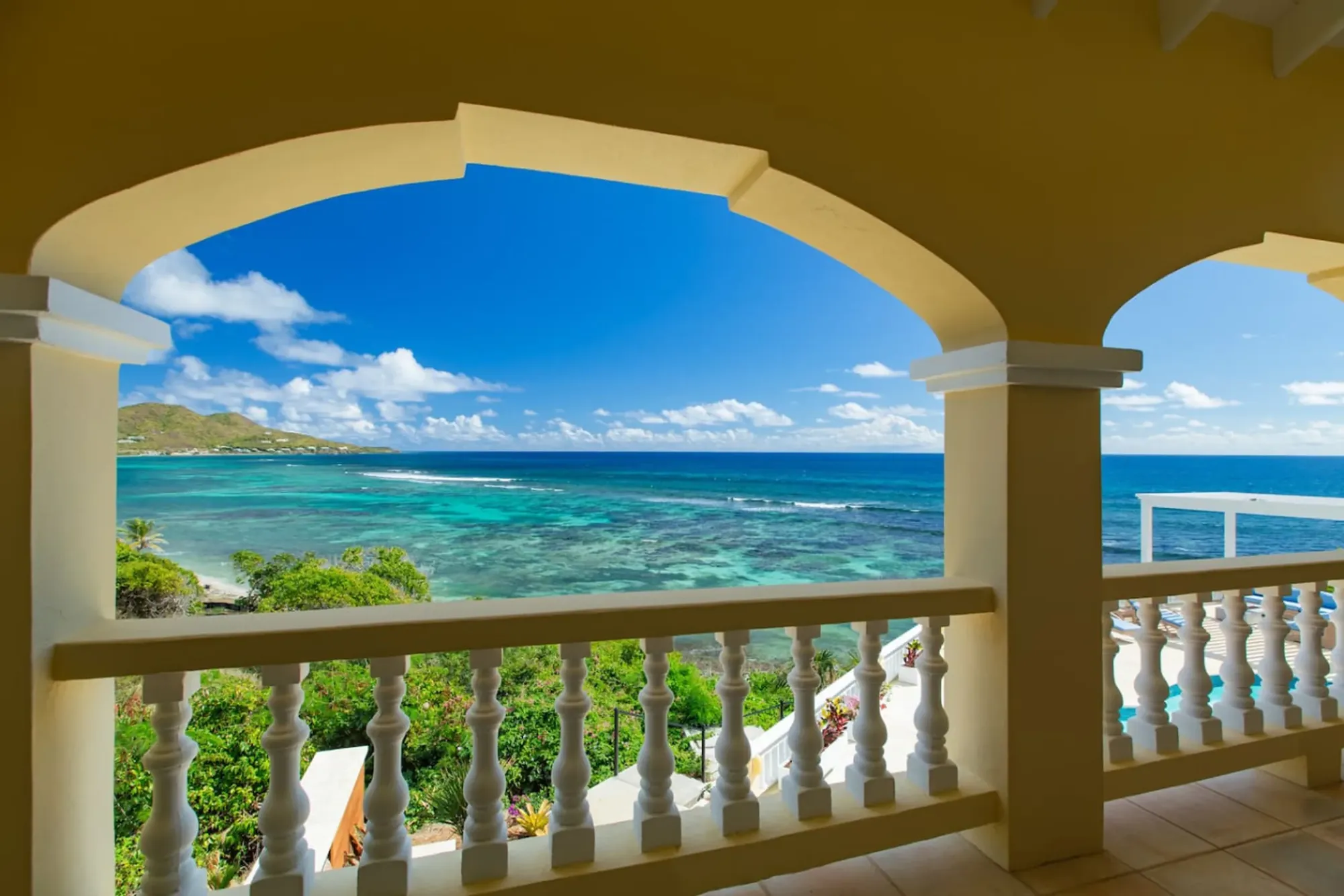
The bay and reef in front of the villa, seen through the arched veranda; the snorkeling starts at the villa's own beach.Photo: The Cerulean
Where you can realistically see a turtle
Nobody can promise you a turtle, and any operator who does is selling something. What we can give you is a ranked, honest list of where the odds are good. First, Buck Island: 20 to 40 nesting hawksbills a season by the park's count, 100 to 150 nests a year by NOAA's, seagrass full of greens, and crews who were on the water yesterday. If you have one turtle-hunting day, that is the day. Take a morning departure, and stay in the water past the marked trail if the crew allows it; the reef edges are where the hawksbills work.
Second, the reef in front of the villa and the East End bays around it. Guests write about the snorkeling off the beach, and turtles are part of the reason; wherever the East End shallows carry seagrass they are green-turtle pasture, and hawksbills patrol the coral. The trick is time of day. Early, before the wind gets up, the water is glassy and the turtles are feeding close in; by early afternoon the trade wind puts a chop on everything and visibility drops. Ten calm minutes at 7 am beat an hour at 2 pm. Our journal piece on snorkeling off the beach has the how-to.
Third, the offshore reef at Jack's and Isaac's, five minutes away by car and then a walk down, with 400-plus fish species and the island's biggest green and hawksbill nesting beaches behind you. Fourth, Chenay Bay, the family bay a short drive west, calm and shallow, where turtles and rays are a regular sight. Fifth, the north shore at Cane Bay, where the shore snorkel and the wall beyond it are known for turtles, though it is roughly 40 minutes' drive from the East End and a bigger, deeper sea. Rentals and guided snorkels are in the snorkeling directory.
A few field notes that raise your odds anywhere. Look for the head first: a turtle surfacing to breathe shows a fist-sized dark shape for two seconds, and that is usually how you find one. Scan the seagrass for greens and the coral for hawksbills. Hang still at the surface with your fins quiet and let the turtle decide the distance. And keep a mask in the car all week, because the best sighting is nearly always the one you were not planning.
“pure perfection… amazing snorkeling off the reef… 5 min to Jack's & Isaac's”
All three of St. Croix's turtles are protected under the Endangered Species Act, and the law does not stop at killing. Harassing a listed animal, which covers touching, chasing, riding, feeding, or anything that changes what it was doing, is a federal offense, and it applies in the territory as it does in Florida. But the reason to behave has less to do with fines than with the fact that a turtle interfered with stops feeding, burns energy it needs, and learns to leave a bay where it was doing fine. The etiquette below is short because it is simple.
Keep several body lengths between you and the turtle, more if it is a big green in shallow water with nowhere to go. Never swim directly above one, and never put yourself between the turtle and the surface: it is an air-breather, it has to come up, and a snorkeler overhead is a wall. Do not corner one under a ledge or in a coral canyon. Do not touch the shell, even lightly, even once, and do not let children do it "just to feel." Do not feed anything to anything. Skip the flash on the camera. If the turtle turns away, speeds up or changes its rhythm, that was your cue, and you were already too close.
The rest is body management. Fins are the way most snorkelers hurt reefs and spook turtles: keep them up and slow, and never stand on coral to rest, on the elkhorn at Buck Island or on the reef in front of the villa. If you need to stop, find sand or tread water. Boats matter too: on a rental or a charter, ask the captain to idle through seagrass shallows, because vessel strikes are on NOAA's list of threats for all three species and a green grazing head-down in three feet of water does not hear a propeller in time.
On the sand at night: lights out
Nesting turtles and hatchlings navigate by light. A female coming ashore reads the dark, low profile of dunes and vegetation as "beach" and the brighter horizon over the water as "sea"; her hatchlings, weeks later, dig out at night and run toward that same brightness. Artificial light breaks the system, which is why NOAA lists coastal development and its lighting among the leatherback's threats and why every nesting-beach rule on St. Croix begins the same way. GoToStCroix's leatherback primer states it: no flashlights, no lights after dark, no flash photography, because high-intensity light is even more disturbing than a steady one.
The rest of the primer's list is a good field guide for any nesting beach on the island. Stay clear and out of sight until a female has actually begun laying; before that she is easily spooked and will turn back to the sea. Keep away from her head. Never touch a turtle or a hatchling. Keep dogs off nesting beaches. Leave tracks alone, since researchers use them to identify the species and count the night's crawls. If you carry any light at all, local advice is a dim red one held low, and the better answer is none: your eyes adjust in ten minutes.
Two situations deserve a script. If you meet a hatchling emergence, which the project says begins at Sandy Point from mid-May and which happens on East End beaches later in the year, stand back, kill every light including your phone screen, keep out of the path to the water and let it run. Hatchlings that reach the sea on their own legs are the ones that make it; carrying them down "to help" does the opposite. Then call the STAR hotline, 340-690-0474, because the network logs hatchlings and nestings and can send someone if a nest is emerging into trouble.
The second situation is the villa's own coast. We do not run a nesting-beach program and we do not claim nests on our sand, but the East End is a nesting coast from midsummer to December, and any beach walk after dark in those months should be a dark one, along the waterline. Out on the fire pit terrace late in season, keep the beach itself unlit; the darkness that lets the Milky Way show is what the turtles need. It is one of the easier things anyone will ask of you all week.
The U.S. Virgin Islands was one of the first places in the world to outlaw the reef-toxic sunscreen chemicals, and the law is real, enforced and easy to obey. Act 8185, signed on July 20, 2019, bans the retail sale, offer for sale, distribution and import for retail of topical sunscreens containing three ingredients: oxybenzone, octinoxate and octocrylene. The ban took full effect on March 30, 2020, and in April 2022 the territory's Department of Licensing and Consumer Affairs began active enforcement, with a first-offense citation of $1,000 and $2,000 for each offense after that, according to VI Consortium's report at the time.
The penalties fall on sellers, not on tourists rubbing lotion on their shoulders, but that is not the point. The point is the reef, and the reef is where the turtles eat. Read the back of the bottle before it goes in the suitcase: if any of the three names is on it, leave it home. What you want says zinc oxide or titanium dioxide as the active ingredient, sometimes labeled mineral or reef-safe (the second phrase is unregulated, so read the actives, not the marketing). Mineral bottles are sold all over the island, and the villa's concierge can have some in the house before you land.
Better than any lotion is fabric. A long-sleeve rash guard, a hat and a pair of leggings for the long snorkels cut your sunscreen use to face and hands, which is good for the reef, better for your skin at 17 degrees north, and cheaper by the end of the week. Sunscreen washes off as you swim; a rash guard does not. Our packing guide has the list.
A turtle calendar for the island
Put the three species' seasons side by side and St. Croix has turtle business in almost every month; the table below is the short version, built from NOAA's seasons, the refuge calendar and the local project's dates. Two clarifications. Nesting happens at night, mostly on beaches you cannot be on, so "nesting season" is not "you will see nesting"; it is when the rules tighten and the programs run. And snorkel sightings do not follow the calendar: hawksbills and greens feed on the East End reefs and seagrass year-round, and the only variable that matters is the sea state, calmest on early mornings and roughest in the Christmas Winds of December to March.
The month that changes plans is April, the only month with Turtle Watch; the stretch that catches people out is April through August, when Sandy Point is shut. If leatherbacks are the point of the trip, come in April with a reservation made months earlier. If turtles in the water are the point, any month works, and the calm months of May and June are the best combination of warm sea and empty beaches. Our best-time guide covers the weather side.
When
What the turtles are doing
What you can do
January–February
Quiet on the beaches, greens and hawksbills feeding on the reefs
Sandy Point open weekends 10–4. Snorkel early, the winter wind builds by late morning
March
Leatherback season begins (about March 1) while the refuge is still open on weekend days
Visit Sandy Point on the wet sand only and leave every track. Book April's Turtle Watch now
April
Peak leatherback nesting, refuge closed from April 1
Turtle Watch on Friday and Saturday nights, the one legal night on the beach
May–June
Leatherback nesting continues, first hatchlings from mid-May, hawksbills nesting at Buck Island
Last leatherbacks, green and hawksbill nesting under way at Jack and Isaac Bay
Keep East End beaches dark at night. Sandy Point reopens weekends on September 1
September–October
Green and hawksbill nesting and hatching on the East End
Snorkel the East End reefs, report tracks or hatchlings to STAR
November–December
Late green and hawksbill nesting winds down
Sandy Point weekend visits, and watch for marked nests on East End beaches
Threats and recoveries
The Park Service's history article gives the scale of the loss: sea turtle populations worldwide are down at least 95 percent since the fifteenth century, from people taking turtles and eggs. On the hawksbill the taking was for the shell; NOAA says the historical hunting nearly drove the species to extinction and that illegal harvest continues under the CITES trade ban. On the leatherback and the green it was meat and eggs, which is why nightly patrols against poaching are the oldest job on every St. Croix nesting beach.
The modern list is different. NOAA names bycatch in fishing gear first for all three species, then vessel strikes, marine debris and plastic ingestion (a leatherback built to eat jellyfish is not built to tell a bag from one), egg collection, the loss of nesting beaches to development and lighting, and changing environmental conditions. For greens there is fibropapillomatosis; for hawksbills, the decline of the reefs they feed on. The Sandy Point hatching-success paper is the local instance of the climate line: two decades of data, hatching rates falling, climate variation implicated.
Now the other column. Buck Island's hawksbills went from 12 nesting females in 1987 to several hundred, on the strength of predator removal, patrols and nest relocation. Jack and Isaac Bay's green turtles went from about eight nesting females to nearly 300, and poaching there dropped below one percent of nests. Green nesting at Sandy Point ran to 2,672 nests in 2025. NOAA lists the North Atlantic green as threatened, not endangered, which is what recovery looks like on paper. Every one of those gains came from the same unglamorous work: someone walking a beach at 3 am, year after year, and a set of rules that visitors mostly keep.
The open question is the leatherback. Fifteen nests at Sandy Point in 2025 is not the 1997-to-2001 boom, and the slowdown the 30-year paper flagged has not reversed. That is not a reason to skip Sandy Point; it is a reason to do exactly what the refuge asks, book the April watch if you can, and consider one of the project's adoptions, which fund the patrols. Nearly fifty years of counting has bought these animals a chance. The next fifty depend on the counting continuing.
If you find a turtle in trouble
St. Croix has a working rescue network, and it wants your call. Sea Turtle Assistance and Rescue, STAR, answers 340-690-0474 around the clock anywhere in the territory for sea turtles that are sick, injured, disoriented, displaced or dead, on land or in the water. GoToStCroix's write-up describes it as a partnership of nonprofits and agencies (the West Indies Marine Animal Research and Conservation Service, the U.S. Fish and Wildlife Service, the National Park Service, the territory's Division of Fish and Wildlife and The Nature Conservancy) with volunteers on call, coordinated on St. Croix by a refuge biologist at the time of that article, who put the volume at 30 or 40 calls a year: nestings, hatchlings, injured turtles.
What to have ready when you call: where you are, as precisely as you can (a beach name and a landmark beat "the East End"); whether the turtle is alive; roughly how big it is; and what you can see of any injury, entanglement or boat damage. Then wait. Do not move the animal, do not push it back into the water, do not pour water on it and do not let anyone pose with it. A turtle on a beach in daylight may be nesting, sick or simply resting, and the people who can tell the difference are the ones you just called.
Two other numbers. Anyone digging at a nest, taking eggs, handling a turtle or selling shell is a police matter: 911, and STAR after. And if you are on a boat, the Department of Planning and Natural Resources has put out its own reminders to the boating community to look out for sea turtles; the practical version is to watch for heads at the surface, throttle back over seagrass and reef, and give a resting turtle a wide berth. On the East End, that means idling in the shallows of the bays; the greens are grazing head-down and the hawksbills are asleep under ledges.
Mistakes to avoid, and turtles with children
The list of common errors is short and every one is fixable the night before. Driving to Sandy Point on a weekday, or any day between April 1 and August 31, and finding a locked gate. Expecting a leatherback on a whim; Turtle Watch is April, Fridays and Saturdays, booked ahead, and full years happen. Chasing a turtle for the photo, standing on coral to rest, or letting a child "just touch" a shell. Carrying a phone torch onto a nesting beach. Picking up hatchlings to "help." Packing the sunscreen you already own without reading the label. Buying tortoiseshell. Each is a small thing at the moment and a real thing to a species with 15 nests.
With children, the good news is that turtles are the easiest wildlife on the island to make a week around. Buck Island's lagoon trail is shallow, guided and run in small groups with a buddy rule, which is ideal for a first real snorkel; practice off the villa's beach the day before so nobody is learning to clear a snorkel over live coral. Turtle Tracks and Shells at Sandy Point, Fridays in June and July, was designed for exactly this age: a beach walk, tracks in the sand, shells in the hand. Turtle Watch is a late night on soft sand in the dark; ask the project about age guidance before you book a seven-year-old.
The rules are also easy to teach, because they come down to two: hands to yourself, and lights off. Give the children the job of spotting the head at the surface (they are usually better at it than adults) and the job of counting the seconds between breaths, and they will forget to try to touch. Our St. Croix with kids guide has the rest of the family logistics; the wildlife guide covers what else they will meet on land.
Questions people ask
When is sea turtle nesting season on St. Croix?
It runs most of the year, species by species. Leatherbacks nest at Sandy Point from about March into July (the St. Croix Sea Turtle Project says the season starts March 1, with the first hatchlings from mid-May). NOAA puts Caribbean hawksbill nesting at roughly April through November, and The Nature Conservancy monitors green and hawksbill nesting at Jack and Isaac Bay from July to December. In practice, some turtle is nesting somewhere on the island in every month except, roughly, January and February.
Can I watch leatherbacks nest at Sandy Point?
Only through the St. Croix Sea Turtle Project's Turtle Watch, which runs on Friday and Saturday nights in April and has operated at the refuge since at least 1997. Sign up ahead through seaturtlecensus.com or stxturtles@gmail.com; the 2026 program is already listed as complete. The refuge itself is closed to everyone else from April 1 through August 31, so there is no walking onto the beach on your own to look. In June and July the project runs daytime Turtle Tracks and Shells walks and evening Sunset Watch sessions instead.
Where am I most likely to see a sea turtle while snorkeling on St. Croix?
Buck Island's lagoon and reef, where the National Park Service counts 20 to 40 nesting hawksbills a season and green turtles feed in the seagrass; the reef and seagrass off the East End bays, including the water in front of the villa and the shallows at Chenay Bay; and the offshore reef at Jack's and Isaac's bays, which The Nature Conservancy says holds at least 400 fish species. Go early, when the water is calm, and hang still. Nobody can promise a turtle, but a quiet morning on the East End gives you very good odds.
How close can I get to a sea turtle in the water?
Close enough to see it clearly and no closer. All three St. Croix species are protected under the Endangered Species Act, and touching, chasing, riding or feeding one counts as harassment. Keep several body lengths back, never swim above a turtle or between it and the surface (it has to come up to breathe), do not corner one under a ledge, and skip the flash. If the turtle changes course or speeds up because of you, you are already too close. Turtles that are left alone tend to ignore snorkelers and keep feeding.
What sunscreen is legal in the U.S. Virgin Islands?
Mineral sunscreen: zinc oxide or titanium dioxide. Act 8185, signed July 20, 2019 and in force since March 30, 2020, bans the retail sale, distribution and import of sunscreens containing oxybenzone, octinoxate and octocrylene. The Department of Licensing and Consumer Affairs began active enforcement in April 2022, with $1,000 citations for a first offense. Read your bottle before you pack it, buy mineral on island if in doubt, and wear a long-sleeve rash guard so you need less of anything on the reef.
What should I do if I find a turtle hatchling, a nest, or an injured turtle?
Call the Sea Turtle Assistance and Rescue (STAR) hotline at 340-690-0474, which is answered around the clock anywhere in the territory. Note where you are, whether the turtle is alive, roughly how big it is and any injuries, and do not move or handle it before you call. Hatchlings heading for the water do not need help; light and handling are what hurt them. Report poaching or anyone disturbing a nest to the police at 911. Turtle tracks on a beach should be left as they are, because researchers read them to identify the species.
Is Sandy Point open when I visit?
Only on Saturdays and Sundays, 10 am to 4 pm, from September 1 through March 31, and admission is free. From April 1 through August 31 the refuge is completely closed for leatherback nesting, apart from the project's educational programs. Nothing may be staked into the sand at any time (umbrellas, tents, chairs with legs that dig in), because nests can be anywhere along the two miles of beach. It is about an hour's drive from the East End, so check the calendar before you go.
Are St. Croix's sea turtles endangered?
Yes. NOAA lists the leatherback and the hawksbill as endangered under the Endangered Species Act (both since 1970) and the North Atlantic population of the green turtle as threatened. The island's news is mixed: Buck Island's hawksbill nesting has grown from 12 females in 1987 to several hundred, and green nesting at Jack and Isaac Bay has gone from about eight females to nearly 300, but Sandy Point's leatherback nesting is far below the boom years around 2000, with 15 nests counted in 2025.
Do turtles nest on the East End beaches near the villa?
Yes, and in numbers. The Nature Conservancy's Jack and Isaac Bay Preserve, about five minutes from The Cerulean, holds the largest nesting populations of green and hawksbill turtles on St. Croix, with monitoring since 2001 and a July-to-December season. We do not claim nests on the villa's own sand, but if you are on any East End beach after dark in season, walk the waterline without a light, give any marked nest a wide berth, and report tracks or hatchlings to STAR rather than investigating them yourself.
Doing it from The Cerulean
The villa's own geography does most of the work. It faces sunrise on the East End with a reef in front of the private beach, so the first snorkel of the day is a walk down to the water at 7 am, before the trade wind arrives, mask on, hang still, and let the morning's greens and hawksbills show up on their own schedule. That is the daily baseline. Nothing else in this guide is as reliable as a quiet reef at breakfast time.
The rest is a matter of drive times. Jack and Isaac Bay is about five minutes to the trailhead and a walk down; go early, snorkel the reef, and be back before the heat. The Buck Island boats that leave from the East End, at Green Cay Marina and Teague Bay, are a short drive rather than the run into Christiansted, and the concierge books them; a full-day trip gives you the reef, the seagrass and Turtle Beach in one go. Sandy Point is the far end of the island, about an hour, weekends only and never between April 1 and August 31, so it slots into a Saturday or Sunday in the cooler months.
Two stays are turtle stays in particular. April, for a Turtle Watch night at Sandy Point, booked with the project long before the flights and paired with the calm reef mornings of spring. And any week from July into December, when the East End beaches around you are nesting beaches: you will not see it, but you will keep the sand dark after sundown, and you may find tracks on a morning walk, which you leave alone and report. The fire pit and the pool deck are the place for the evening; the beach is the turtles' after dark.
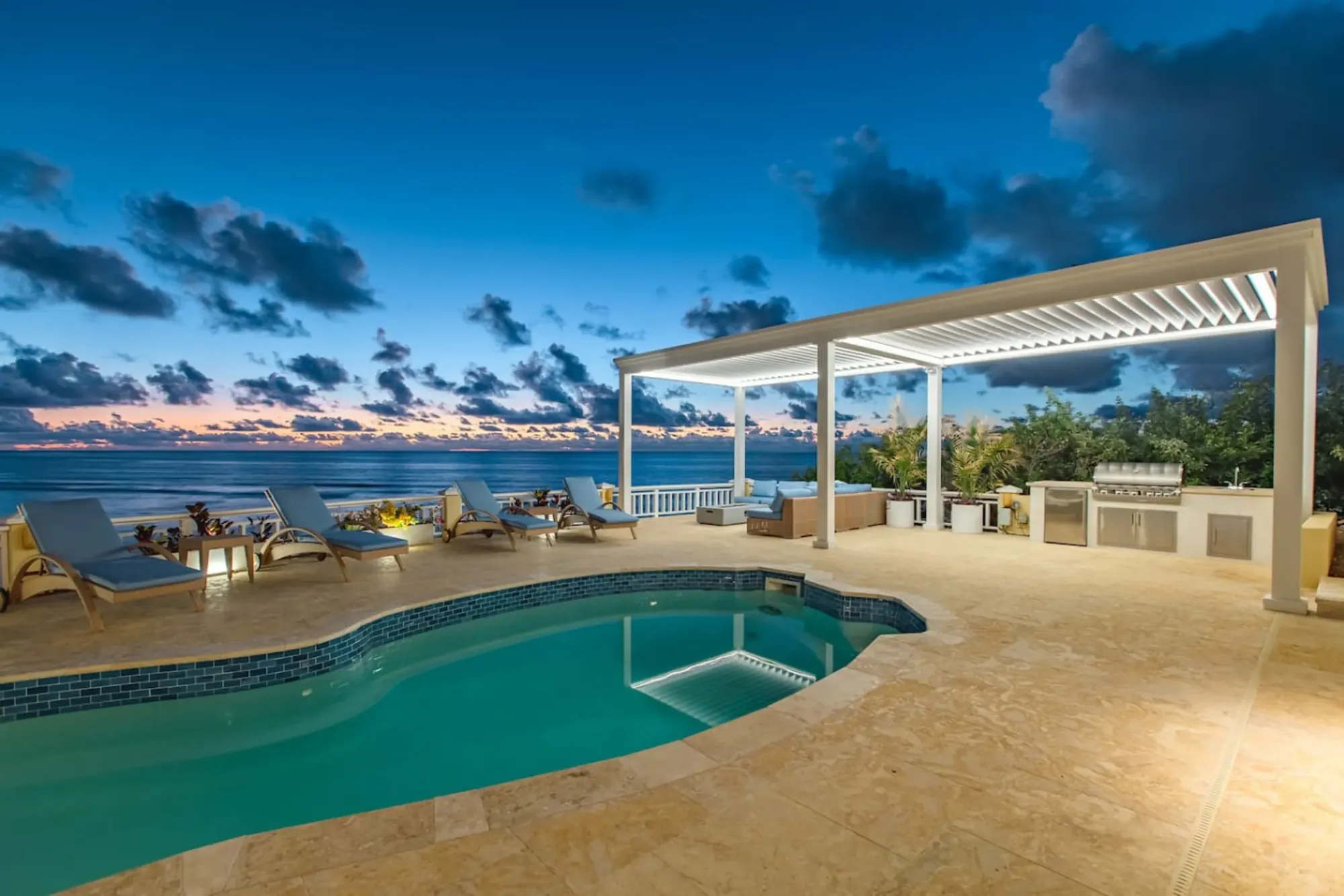
The house helps in smaller ways. Mineral sunscreen can be in the kitchen before you arrive, masks and fins for a dozen people can be sorted through the concierge, and a group of twelve splits easily into a Buck Island boat, a Jack's and Isaac's hike and a slow morning on the reef in front of the house, all of it turtle water. Come in the morning, keep your hands to yourself and your lights off, and the island does the rest.
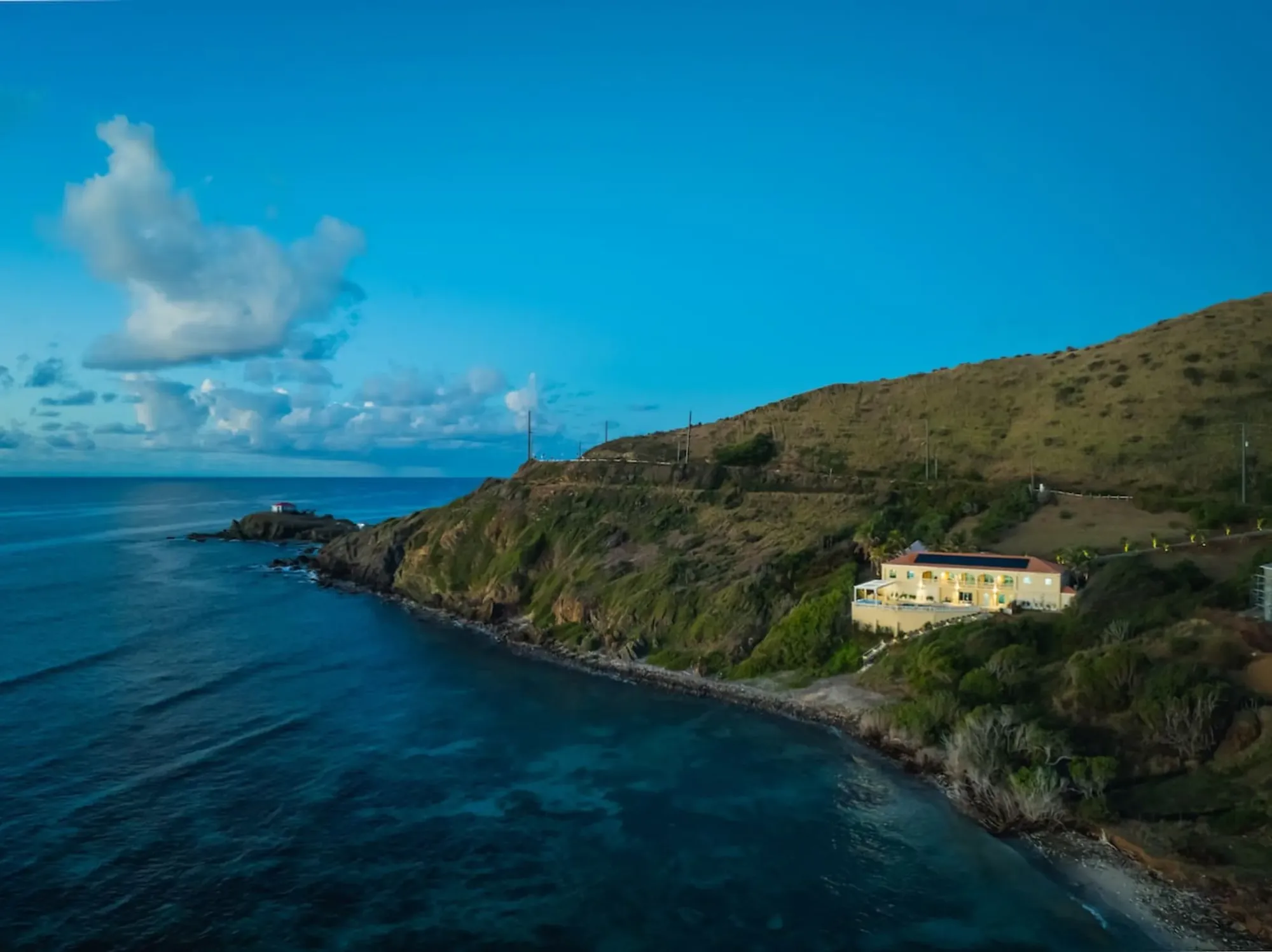
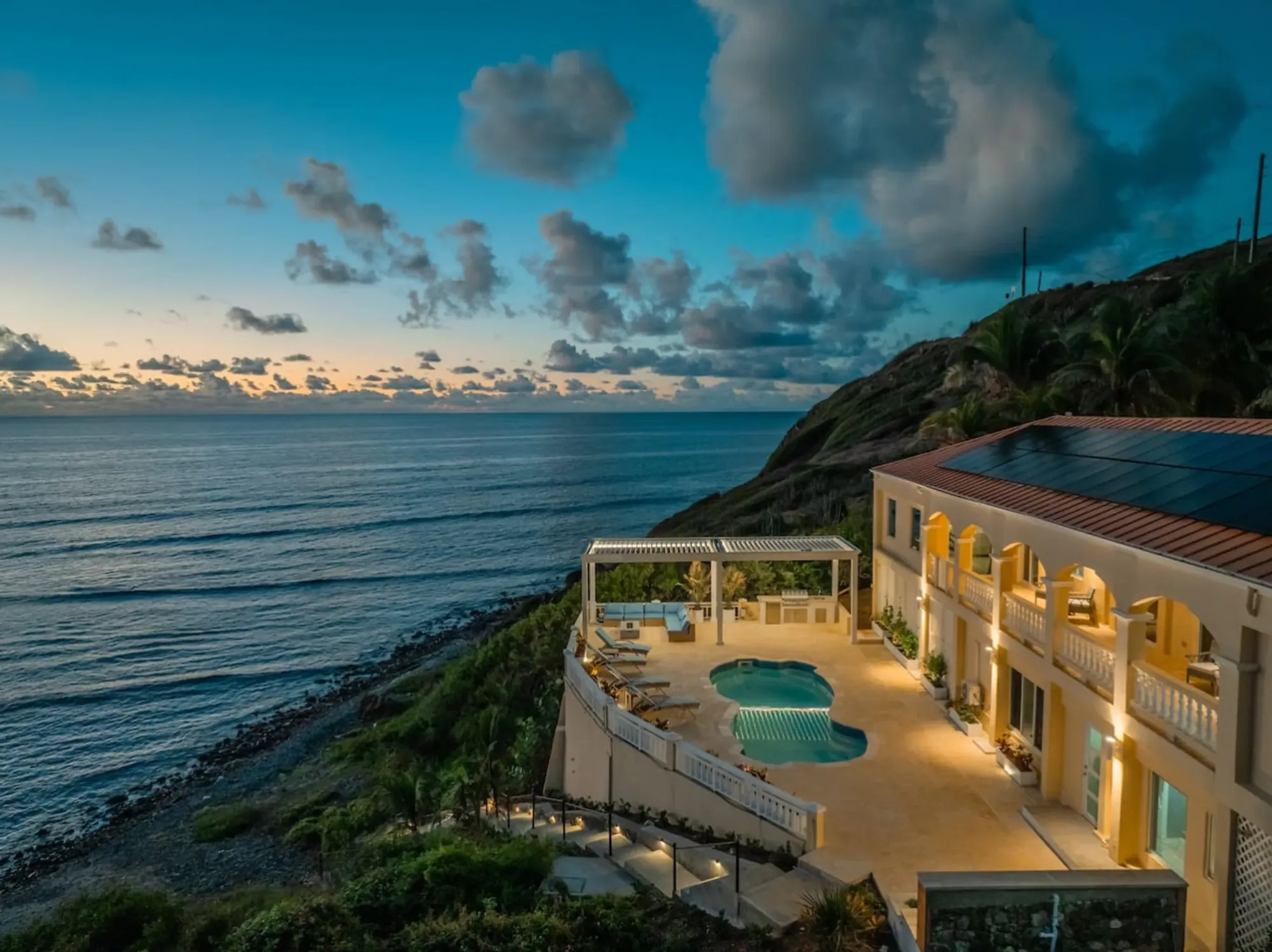
The Cerulean from above: the house, the pool deck and the private beach on the East End, with the reef just offshore.Photo: The Cerulean
The Cerulean
Twelve of you, one private beach.
The Cerulean sleeps twelve on St. Croix's quiet East End — check your dates.