




Leaving St. Croix: the departure check, step by step
This is the part first-timers do not expect, so here it is in full. Because the USVI is outside the U.S. customs territory, passengers on flights to the mainland go through customs and agriculture screening in St. Croix, before boarding, rather than on landing. All departing travelers must clear U.S. Customs and Border Protection before boarding, and the USDA's Animal and Plant Health Inspection Service adds the agriculture half: you must present all food, plants and other agricultural items to the USDA inspector at the airport before you leave the U.S. Virgin Islands. Neither is a border in the passport sense; both take time.
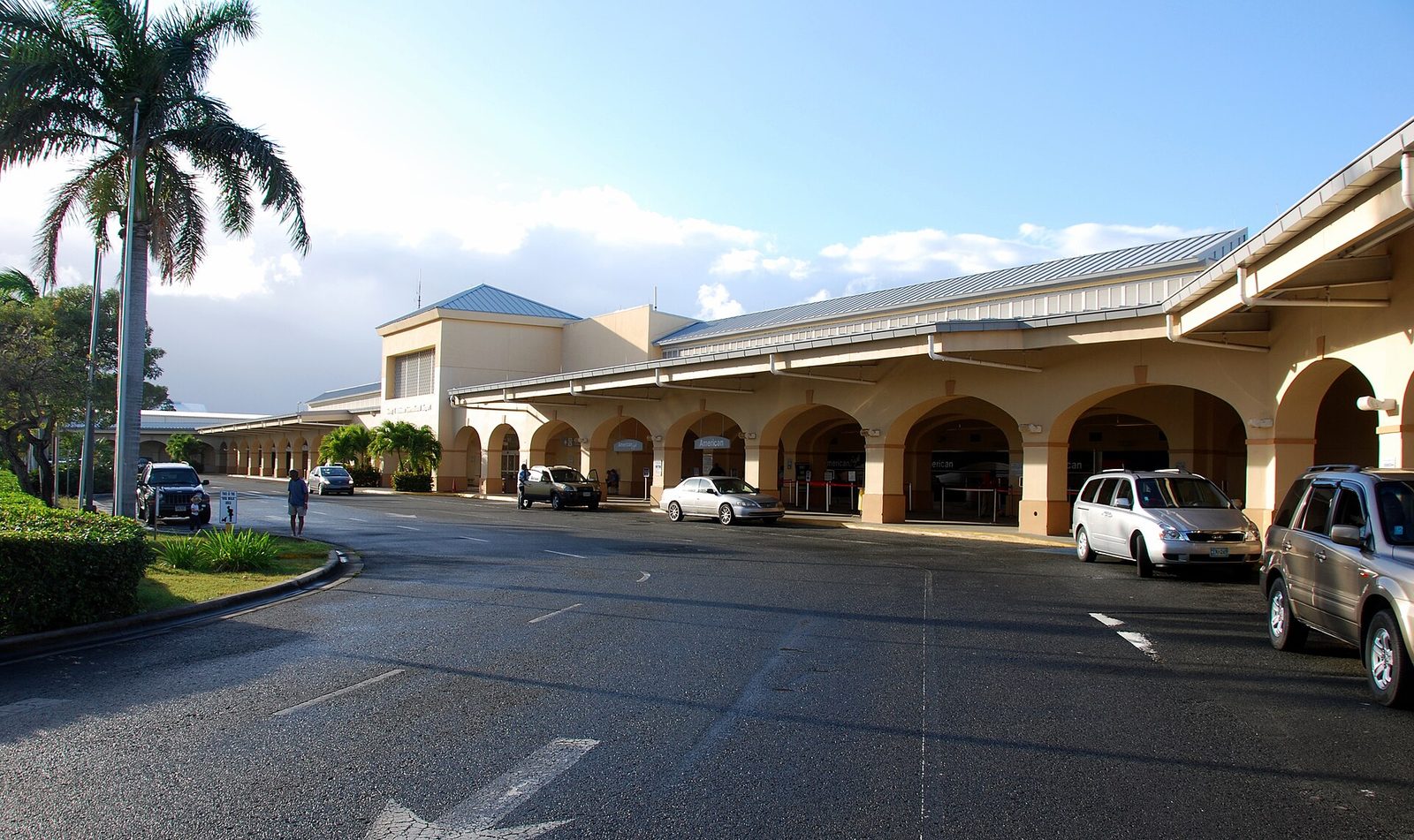
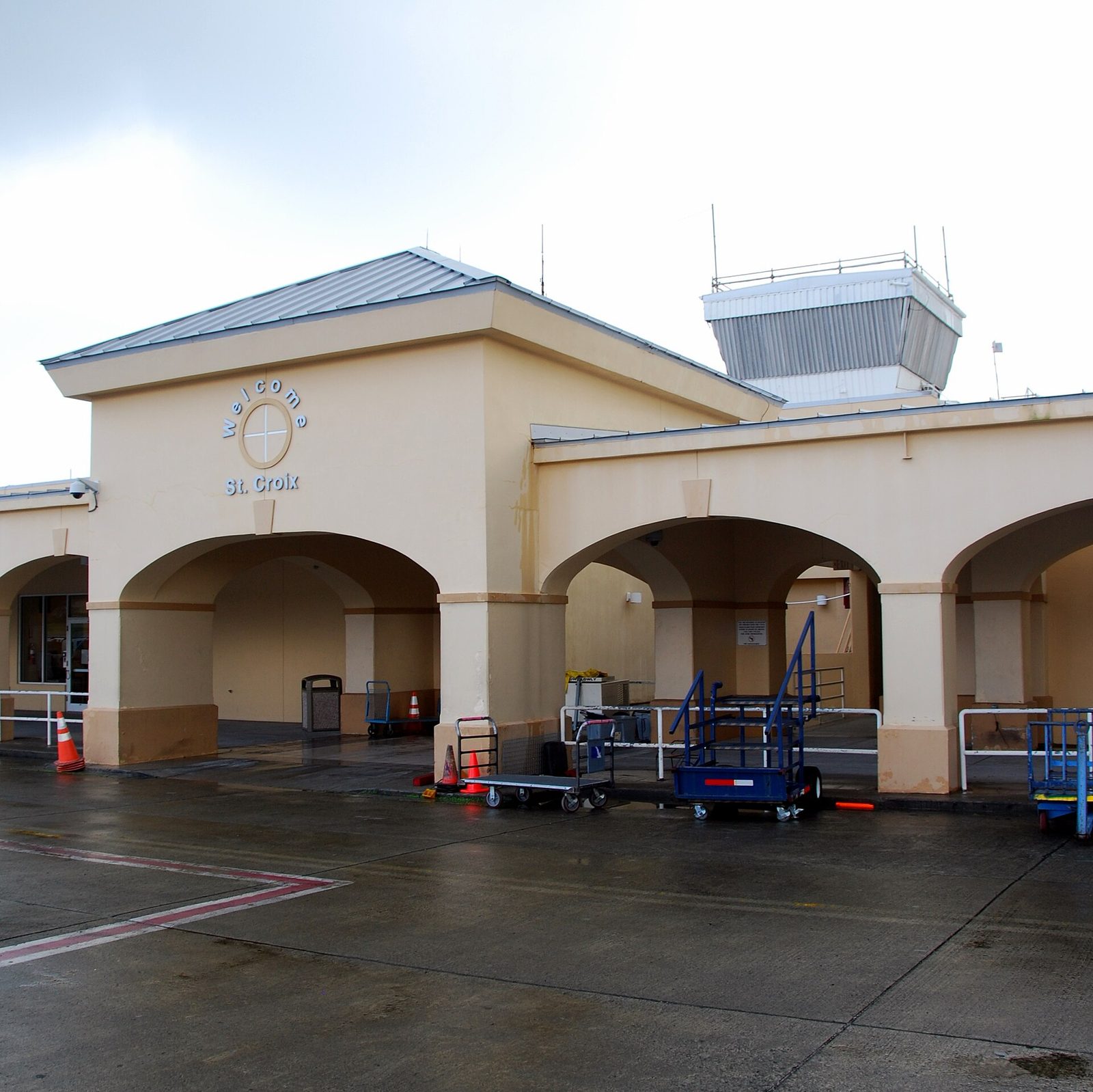
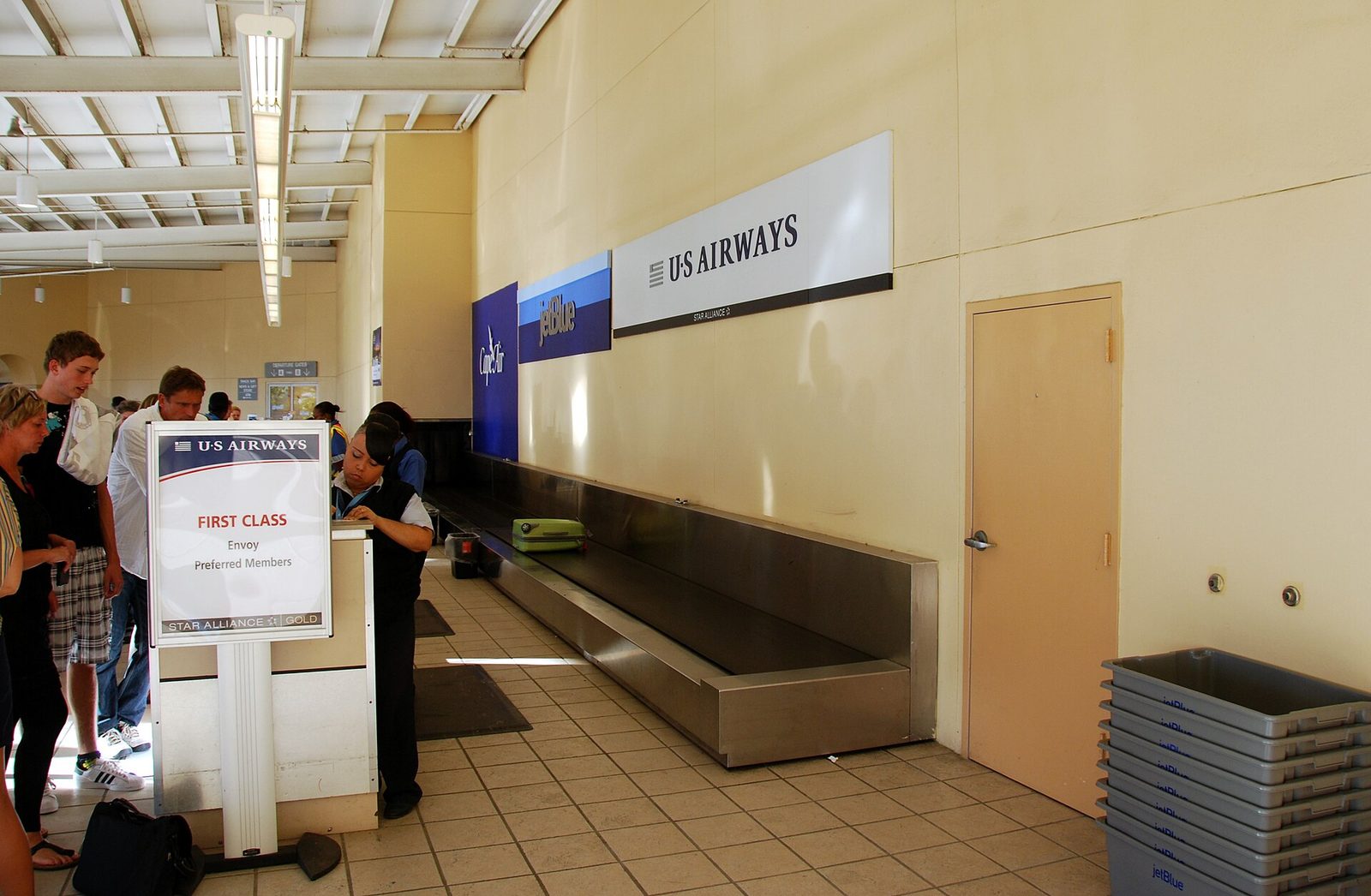
In practice there are three stops instead of one. First, the agriculture screening: your bags are checked for prohibited plant and food items — at STX this happens at the terminal around check-in, so follow the signs and the officers rather than heading straight for the airline counter. Second, ordinary TSA screening, the same as anywhere.
Third, at or near the gate, a CBP officer looks at IDs, confirms citizenship or immigration status, and asks about what you are bringing back; you may be handed a customs declaration to fill in and hand over, and CBP lists STX among the airports where it uses facial-comparison cameras at boarding, so a photo at the gate is possible. Do what the officer in front of you asks; the paperwork details change more often than the process does.
Timing is the practical takeaway. Plan to arrive about two hours before a mainland departure; airline counters here commonly close bag check an hour before the flight — earlier than the 45 minutes many people are used to. Christmas week, spring break and any Saturday in high season are the crowded moments, because that is when the most people move through a ten-gate terminal at once. Two hours is the honest floor; on a peak Saturday with five checked bags and three children, make it two and a half.
The reward for the process is on the customs side. Because you have been in a U.S. insular possession, your duty-free allowance is $1,600 a person, double the $800 standard, and it stretches to five liters of alcohol if at least four were bought in the islands and at least one is a product of the USVI. Keep receipts together and be honest with the officer; the whole exchange is usually a sentence or two. The full math, including the fifth-liter rule and how to pack bottles for the flight, is in the duty-free guide linked below.
Departure day at STX, in order
- Leave the East End about 40 minutes before you want to be at the airport, and be at the airport about two hours before the flight — two and a half on a peak Saturday.
- Take fresh fruit, vegetables, plants and cut flowers out of your bags before you go
- the agriculture inspection will pull them.
- Follow the signs and officers to the agriculture screening of your bags, then check in with the airline (bag check often closes an hour out).
- Clear TSA — REAL ID or passport for adults, nothing for children under 18.
- At the gate, show ID to the CBP officer, confirm citizenship or status, and declare what you bought
- have receipts for anything near the $1,600 line.
- Board. On landing in Miami, Charlotte, Atlanta or Newark you walk out like any domestic passenger — the checks are already done.
What the agriculture inspection is looking for
The agriculture check is the half of the departure process people find strangest, so it helps to know why it exists. The mainland's farms are protected from Caribbean pests by an inspection line drawn around Puerto Rico and the USVI, and APHIS — the USDA's Animal and Plant Health Inspection Service — enforces it at the airports. Its traveler page says it prohibits or restricts the movement of many agricultural products from the U.S. Virgin Islands into the U.S. mainland, "including most fresh fruits and vegetables and certain plants, such as flowers," because they could carry an invasive pest or disease. Every allowed item is still subject to inspection.
The rule of thumb for a villa week: the fresh things you enjoyed on the island stay on the island. APHIS's page says all fresh fruits and vegetables are prohibited except those on its specific allowed list, and it names plants in soil, cut flowers, cactus, fresh citrus leaves and citrus-family plants among the restricted items — so assume the market fruit will not travel unless you have checked the list yourself. What generally travels: commercially canned and thoroughly cooked foods, sealed dry goods, and, happily, rum, which is a customs question and not an agriculture one. Sea shells and coral are a different set of rules — leave them, and not only because of the inspector.
The process itself is short. Bags go through screening, an inspector may open one and ask what is in it, and anything prohibited is taken and disposed of. A declared mango that turns out to be prohibited is simply taken; an undeclared one that is found is where penalties can start. If you have anything you are unsure about — a jar of local honey, a bag of dried herbs from a market stall, seeds from a garden — declare it and let the inspector decide. APHIS keeps a specific list of what may travel from the USVI, and it is worth a two-minute read the night before you fly.
The one thing that catches families is the cooler. If you shopped for the week and have half a bag of limes and a pineapple on the last morning, leave them in the villa kitchen for the housekeeper or the next guests rather than in a carry-on. The same goes for the fruit you meant to bring a friend. Bring the friend a bottle instead — that one goes through with a smile.
The $1,600 rule, briefly
The customs check on the way out is the price of the customs perk, and the perk is worth understanding even if you never intend to shop. Under U.S. Customs and Border Protection rules, a returning resident arriving directly or indirectly from a U.S. insular possession — the U.S. Virgin Islands, American Samoa or Guam — gets a $1,600 duty-free exemption, against $800 for most of the world. It applies per person, and CBP counts children too, so a family of four traveling together can pool it. The Port Authority's FAQ adds the tobacco line: up to 100 cigars and up to 1,000 cigarettes, though CBP limits how many of those may have been bought outside the territory.
The alcohol clause is the one everyone remembers, and it is real: CBP allows up to five liters of alcohol duty-free within the exemption, provided at least four liters were purchased in the insular possession and at least one is a product of it. That last condition is the customs code politely steering you toward a bottle of Cruzan, made at Estate Diamond on the west end. Bottles beyond the five are subject to a low flat duty rate and federal excise tax, collected at the gate — the officer will tell you what you owe.
What to actually do about it is simple. Keep your receipts in one envelope. Pack liquor in checked bags, wrapped, ideally in the boxes the liquor stores here will give you on request. Weigh the suitcase — five liters is a lot of glass. And answer the CBP officer's question about purchases straightforwardly; most people are far under the line, and the whole exchange takes a moment. The exemption resets every 30 days per the Port Authority's wording, so a second trip a month later gets it again.
That is the whole of what this guide will say on the subject, because the duty-free guide covers the details: what is cheaper here, the Crucian-hook bracelets and jewelry arcades of Christiansted, how the fifth-liter math works with a Cruzan bottle, and how to fly it all home without a suitcase that smells of rum.
Global Entry, TSA PreCheck and why they matter less here
Trusted-traveler programs are built around two lines: the security checkpoint and the immigration hall. St. Croix has the first and, for a domestic arrival, not the second — so the value of your membership shifts. Global Entry does one clear thing here: the card is a TSA-accepted ID, listed on the Port Authority's FAQ alongside passports and REAL ID licenses, so it can be the document you board with. What it will not do is speed an arrival, because there is no immigration inspection to skip when you land from the mainland, and it does not change the departure check, which is a CBP officer at the gate rather than a kiosk.
TSA PreCheck is a murkier question, and honesty means saying so. It is unclear whether STX runs a dedicated PreCheck lane — some say the airport does not offer one and everyone uses the standard line, others say PreCheck screening is available and saves a few minutes — and TSA's own participating-airport list is the only authority that settles it. Our advice: keep your Known Traveler Number on the booking, since it costs nothing and may print on the boarding pass, but do not count on a separate lane at a ten-gate airport. Security here is rarely the bottleneck; the agriculture and CBP steps are the parts that add time.
Where trusted-traveler status does pay off is the mainland connection. If you route through Miami or Charlotte on the way home, PreCheck earns its fee at the big airport, not the small one. And a passport card or Global Entry card is a fine backup ID for anyone in the party whose license is not yet REAL ID-compliant — that, more than any lane, is its use on this trip.
Money, phones, mail and plugs: the domestic checklist
Currency: the U.S. dollar, and only the dollar. Mainland credit and debit cards work as they do at home, ATMs dispense dollars from U.S. banks, and there is no exchange desk at the airport because there is nothing to exchange. A few roadside stands and food trucks are cash-only, exactly as on the mainland, so a couple hundred dollars in small bills covers a week of tips and fruit stands. Prices are U.S. prices; expect island prices on anything that arrives by ship, groceries especially, and provision accordingly.
Phones: the tourism department's FAQ says most carriers have signals in the USVI, and the big three have generally treated the islands as domestic. Verizon's own domestic-roaming FAQ groups the U.S. Virgin Islands with the U.S. and Puerto Rico and says domestic roaming is included on its current plans; AT&T has published the USVI inside its domestic coverage area; T-Mobile publishes its own terms, and they are worth reading rather than assuming.
Two honest hedges. Plans and coverage maps change, so search your carrier's coverage page for "U.S. Virgin Islands" the week before you fly. And on St. John, phones on the north shore have been known to grab a British Virgin Islands tower and trigger international day-pass charges — a St. John problem, not a St. Croix one, but worth knowing if you island-hop. Also: using a handheld phone while driving is illegal in the territory, per the same FAQ, so bring the earpiece or use the car's Bluetooth.
Mail and addresses: the USVI is USPS territory, with the postal abbreviation VI and ZIP codes beginning 008, and the telephone area code is 340 — a domestic call from anywhere in the country. Electricity is standard 120-volt U.S. current with U.S. outlets; the tourism department says flatly that no adapters are required, so leave the converter kit at home. The packing guide has the rest of that list.
Time: Atlantic Standard, all year, one hour ahead of Eastern in winter and level with it in summer. Federal law applies alongside the territory's own code, so banking, prescriptions and consumer rules — the invisible plumbing of a domestic trip — carry over. The one place the plumbing differs is the customs line you already know about, and the one habit that differs is which side of the road you drive on.
Health insurance, Medicare and prescriptions
Because the USVI is the United States, most of the medical questions that complicate a foreign trip do not come up. Original Medicare — Parts A and B — covers care in all 50 states, the District of Columbia and the U.S. territories, including the U.S. Virgin Islands, at any provider that accepts Medicare, with no network restriction; the Medicare Rights Center's Medicare Interactive guide and the National Council on Aging both state it plainly. That matters for the multi-generation trips this island attracts, and it is one more reason a grandparent's week here is a simpler proposition than the same week in a foreign country, where Medicare generally pays nothing.
Two hedges. Medicare Advantage plans are network-based, and a plan may or may not cover routine care outside its service area — Medicare Advantage and Part D options are also thin in the territories — so anyone on an Advantage plan should call the number on the card before traveling and ask specifically about the U.S. Virgin Islands — routine visits, urgent care and emergencies, separately, because plans answer those three questions differently. Private insurance is the same story in miniature: many employer and marketplace plans treat the USVI as in-network domestic travel; some treat out-of-area care as out-of-network. One phone call settles it, and it is a call worth making before a week on an island.
Prescriptions carry over. Bring what you need for the trip in original labeled containers, plus a few days' cushion for a weather delay in hurricane season, and do not count on refilling a mainland prescription quickly here — St. Croix has pharmacies, but not on every corner, and a transfer can take longer than at home. Travel insurance is a matter of temperament, not necessity: the airline's rebooking rules and your own health coverage do most of the work that a foreign trip's policy would.
The medical facts to hold in your head are practical rather than legal. Know where the nearest urgent care and the island's hospital are relative to the East End, and keep the villa's address on your phone for a 911 call. That is the extent of the planning a domestic destination asks of you.
Driving on the left with your U.S. license
Here is the one genuinely foreign habit on a domestic trip: the U.S. Virgin Islands drive on the left. The tourism department's FAQ states it in four words — we drive on the left — and the islands are the only U.S. territory that does. The cars, though, are ordinary American left-hand-drive vehicles, so you sit where you always sit and keep the centerline at your shoulder. Your U.S. driver's license is all you need to rent and drive; there is no international permit, no local license, no paperwork beyond the rental agreement.
The adjustment is real and short. The first turn out of the rental lot is the moment everyone remembers, and the first empty road is the trap, because habit pulls you right when nothing is coming. By the second day it is automatic; passengers calling "left, left" at intersections on the first morning is a tradition worth keeping. Speeds are low — the island moves at roughly 35 mph — and a horn tap is a greeting more often than a complaint. Roundabouts run clockwise; the first time, follow the car ahead.
The rental itself is a domestic transaction: the national brands and the island's independents work from the STX terminal or meet flights, cards and licenses from any state are accepted, and the insurance conversation is the same one you have at home. Book a car when you book the villa in winter, when they do sell out, and consider an SUV or Jeep if the unpaved Scenic Road through the rainforest is on your list. Everything else — the roads that matter, fuel, the roundabout rule, the goats — is in our driving guide, and the operators are in the car rentals directory linked above.
What the left-side rule does not change is your legal standing. A traffic stop is a U.S. traffic stop, your license is valid, and your insurance card means what it means at home. Drive slowly the first afternoon, and drive on the left — that is the entire list of things that feel foreign about the place.

Amazon, packages and the provisioning question
Here the domestic rule gets honest hedges, because "U.S. territory" and "two-day shipping" are not the same promise. Mail is domestic: the U.S. Postal Service delivers to VI addresses with 008 ZIP codes at domestic rates. Retailers are another matter. Some ship to the USVI as they would to Florida; some charge more or take longer; some quietly exclude the territories at checkout. Amazon falls into the "it depends" category — many items ship, delivery windows are longer than the mainland's, and Prime speeds do not mean what they mean at home. Check the shipping terms for the specific item, not the store's headline policy.
For a one-week villa stay the practical answer is not to ship at all. Do not plan on ordering forgotten items to the villa; the transit time can outlast the trip, and a package that arrives after checkout is a package for the housekeeper. Bring what you need — the packing guide is built around exactly this — and buy the rest on the island. St. Croix has full-size supermarkets mid-island, a gourmet market and deli in Christiansted that does platters and provisioning for villas, and a local delivery service that carries groceries and packages, all listed in our groceries and provisioning directory. The national grocery-delivery apps do not serve the island.
Prescription refills, contact lenses, a specific baby formula, the coffee you cannot start a day without: bring them. Sunscreen: bring mineral, because the territory bans sunscreens with oxybenzone, octinoxate and octocrylene, and the island stores stock what is legal. Rum, local coffee, hot sauce, the Cruzan bottles for the fifth-liter rule: buy them here, near the end of the week, and pack them in the checked bag with the receipts.
The one shipping direction that works well is home: boxes go out from the island's post offices at domestic rates. Anything agricultural is still subject to the same USDA rules as your luggage, so a mailed box of mangoes is no better an idea than a carried one, and the fifth liter of rum flies in the suitcase.