

The CeruleanSt. Croix · U.S. Virgin Islands
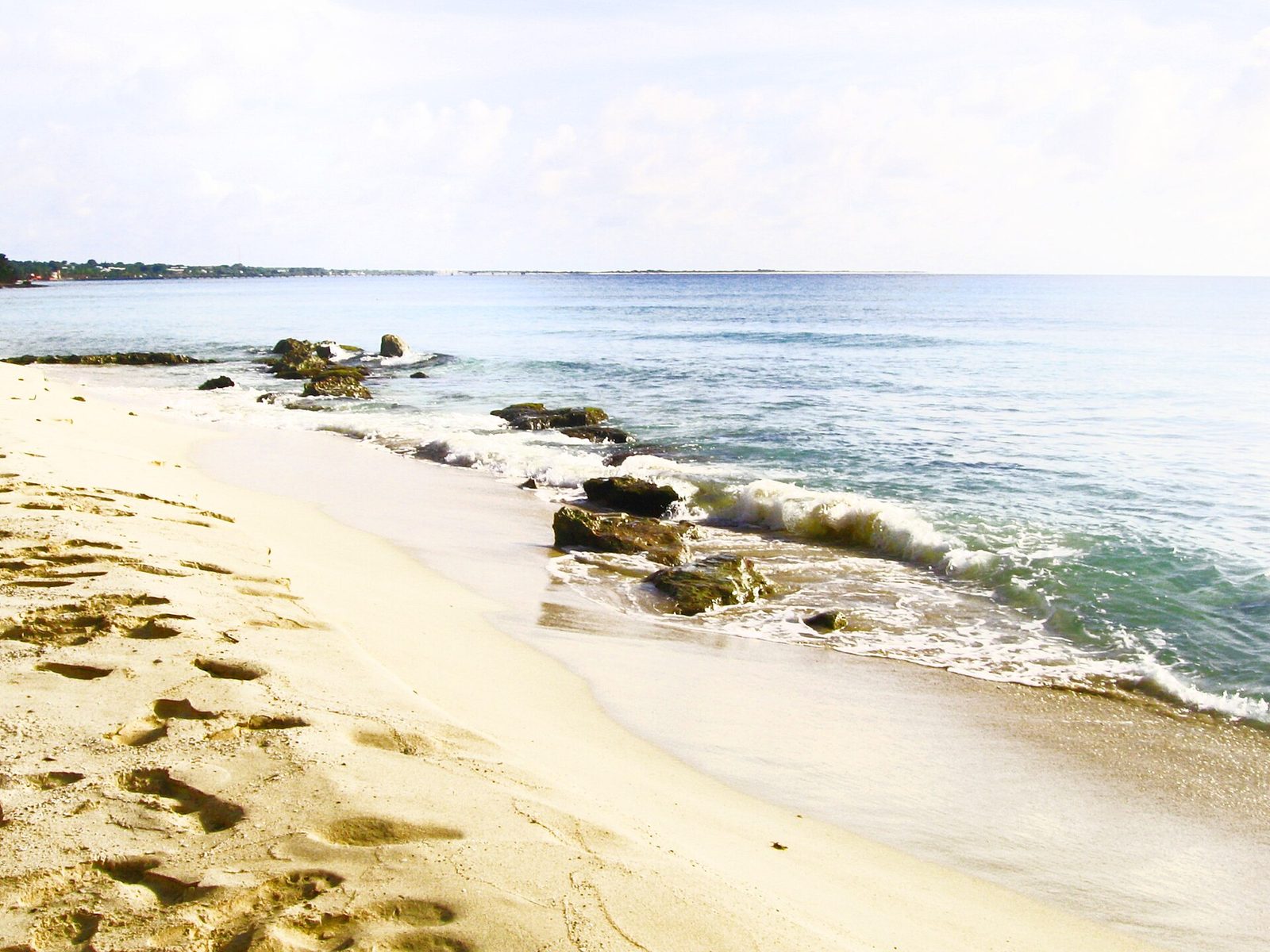
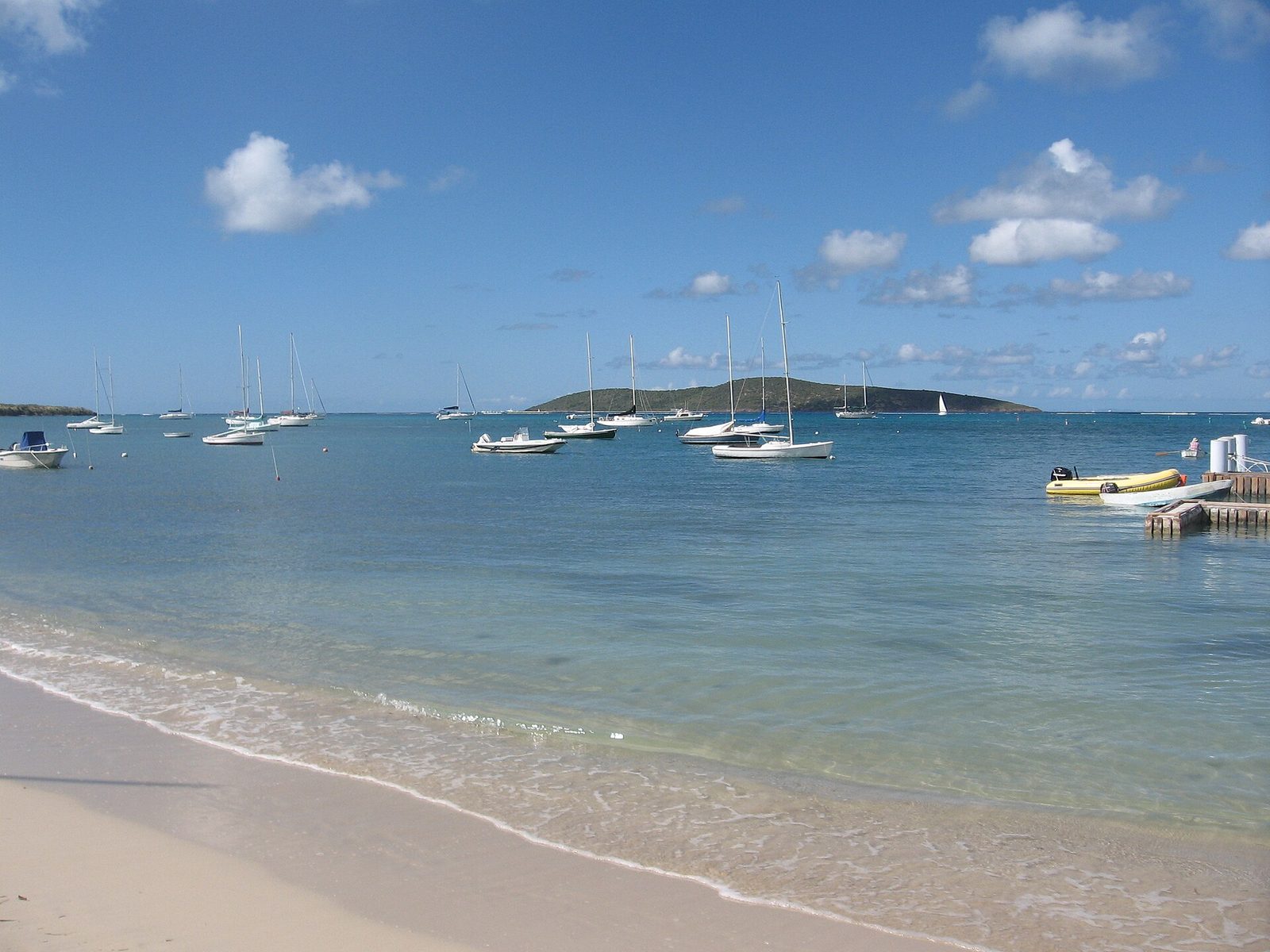
2008-01-27 Teague Bay Beach St. Croix USVI

St. Croix's East End Beaches: Cramer's Park to Jack & Isaac Bay

Every beach within twenty minutes of the villa, rated straight: the public park with grills, the two hike-in preserve bays, the long southeast ribbon, and the calm crescent behind a guard gate.

Photo: Jpheym Jason P. Heym / Seascape Pool Center Inc. (CC BY-SA 3.0)

The East End is the dry, windy, quiet end of St. Croix, and its beaches are the ones you can reach from The Cerulean in five to twenty minutes: a public beach park with grills and pavilions, two hike-in bays inside a Nature Conservancy preserve, a long ribbon of sand under sea grape, a yacht-club shore, a shallow family bay, and a calm crescent behind a guard gate. This guide takes them one at a time, plainly — access rules, shade, parking, how the snorkeling really rates — and ends with how the villa's own beach fits into a week.

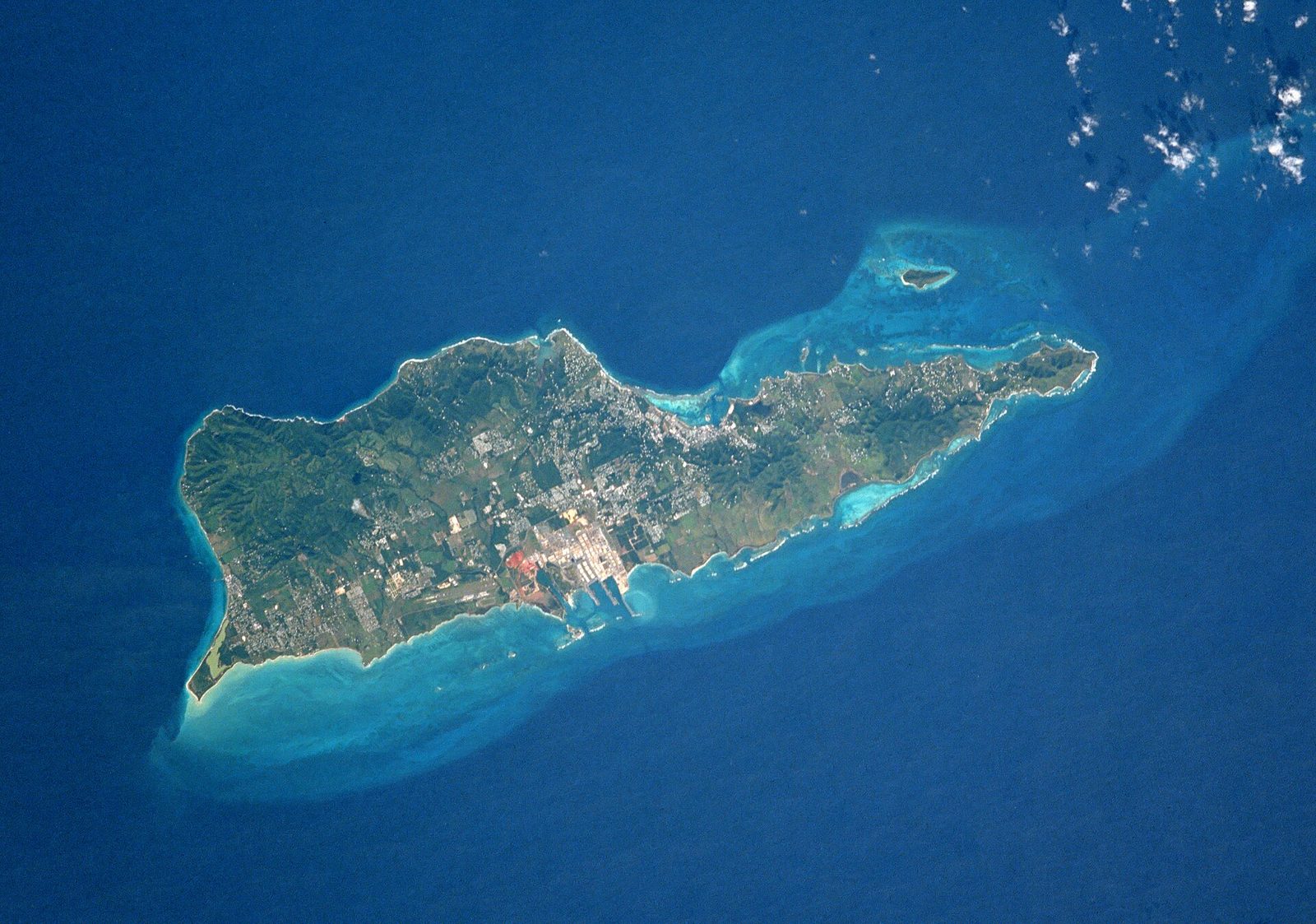
Where it is on St. CroixChristianstedFrederikstedPoint UdallThe CeruleanJack and Isaac Bay Preserve, East End
Where it is. Island outline © OpenStreetMap contributors (ODbL).

The sunrise side, and why its beaches are different

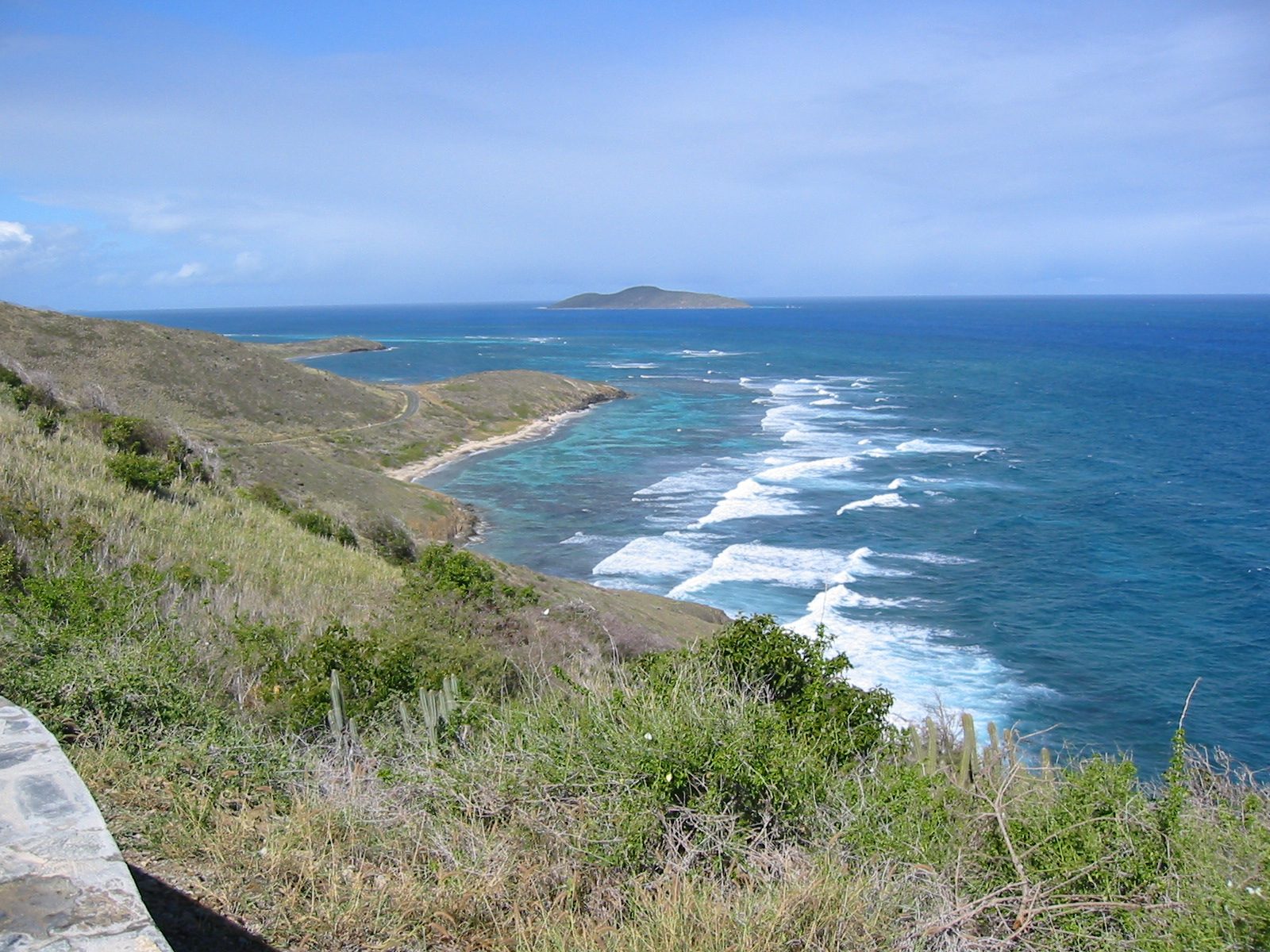
St. Croix runs east to west, and its eastern third is a different island from the green, wet north shore around Cane Bay. Out here the hills are low and sun-washed, gold in the dry months and green within days of a rain, the plants are sea grape and low coastal scrub, and the trade wind arrives first, mostly out of the east and northeast, before anything on the island has slowed it down. That wind is the single most useful thing to understand about East End beaches. It builds chop on any shore that faces it, and it makes any shore with a reef in front of it feel like a swimming pool by comparison.

The reef is the second thing. A barrier reef runs along much of the East End, and nearly every beach in this guide sits behind some piece of it: Grapetree, Teague Bay, Chenay Bay, the villa's own beach. Behind the reef the water is shallow, flat and often grassy, which is why the snorkeling here is more about turtles, conch and rays than the walls of fish you see off a boat. In front of it, the sea drops away toward Buck Island and open water. Everything from the high-tide line out to three nautical miles is the St. Croix East End Marine Park, and its rules apply on every beach below.

The third thing is orientation. This is the sunrise side: south-shore beaches face southeast, so the sun comes up over the water in front of you, while north-shore beaches look toward Buck Island and, in winter, into the stronger northerly swells of the Christmas winds. Natural shade is scarce in the afternoon and absent on the preserve beaches. Bring your own, or plan mornings, which are calmer and clearer anyway.

The last thing is scale. From The Cerulean's gate, every beach in this guide lies within roughly twenty minutes' drive, the preserve trailhead is about five, and Christiansted is fifteen to twenty the other way. Nobody drives an hour to a beach on the East End; you drive ten minutes, or you walk down the steps.

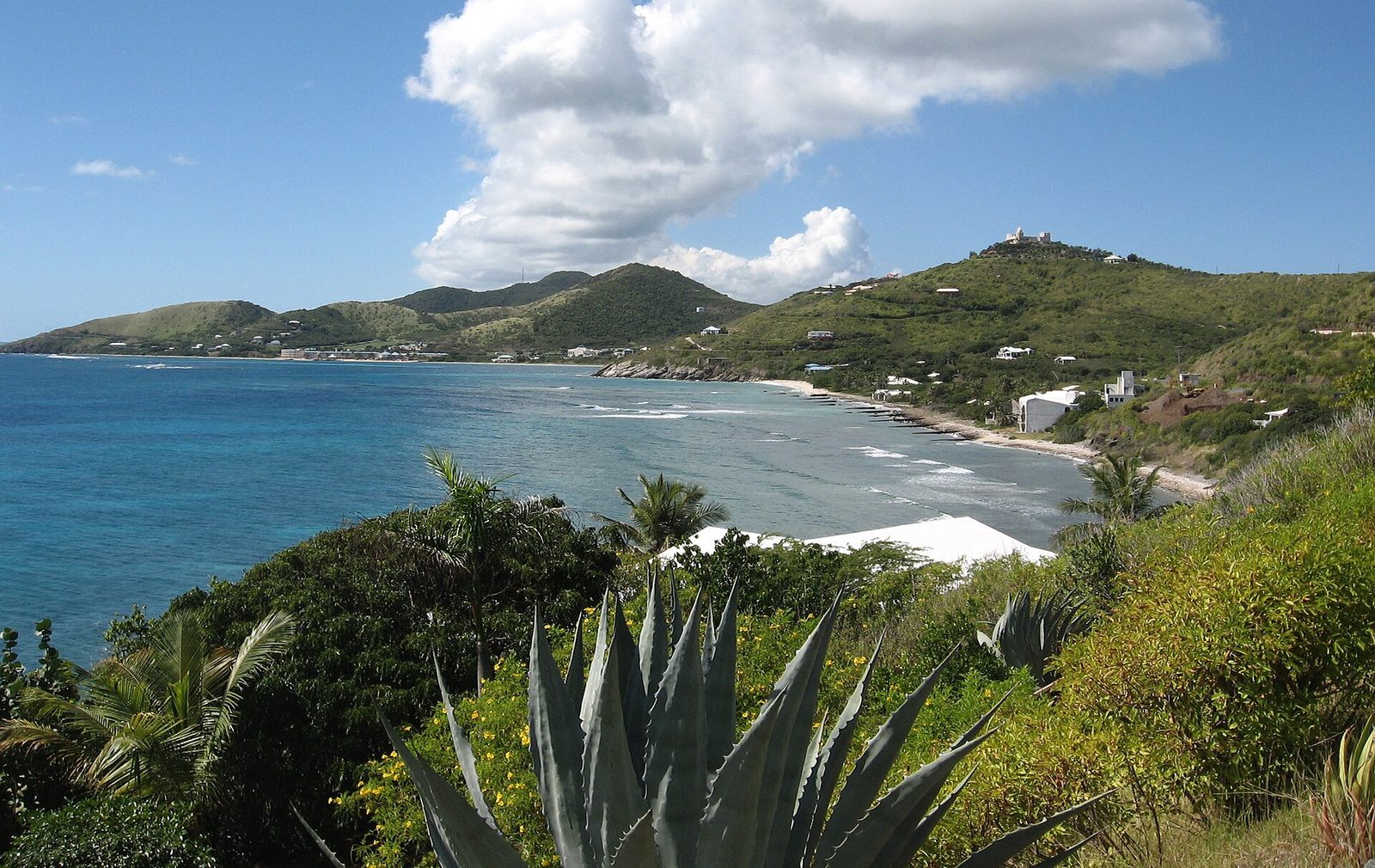
2008-01-27 Grapetree Bay St. Croix USVI
The East End's bays: low sunny hills, sea grape at the tide line, and reef-flattened water in front of the trade wind. Photo: Jpheym Jason P. Heym / Seascape Pool Center Inc. (CC BY-SA 3.0)

The East End Marine Park in plain terms

Every beach here sits inside a park most visitors never hear named. The St. Croix East End Marine Park was created by Act No. 6572, passed December 23, 2002 and effective January 9, 2003 — the U.S. Virgin Islands' first marine protected area, in The Nature Conservancy's words. It wraps the eastern tip of the island from Green Cay on the north shore around to Great Pond Bay on the south: roughly 17 miles of shoreline and 60 square miles (155 square kilometers) of water, from the high-tide line out to the three-nautical-mile limit. The Department of Planning and Natural Resources runs it through Coastal Zone Management, reachable at (340) 718-3367 as of this writing.

The park is zoned, and the zones decide what you can do at each beach. Recreation areas allow snorkeling, diving with a flag, boating and hook-and-line fishing from shore, typically from the beach out to 100 feet. No-take zones allow no fishing or extraction of any kind, spearfishing included, and no personal watercraft; snorkeling and swimming are fine. Turtle wildlife preserve zones — the waters off East End Bay, Isaac Bay and Jack Bay, extending about 1.25 miles from the beach — exist to protect nesting sea turtles, and the park asks you to keep 50 yards from any turtle. Open areas follow standard territorial fishing rules.

The DPNR guidelines make the shore-fishing picture simple. Hook-and-line only, and only in the recreational stretches: Chenay Bay to Cramer's Park on the north shore, and Grapetree Point to Great Pond on the south. Spearfishing and the taking of conch, lobster and whelk are prohibited from every park beach access point. Personal watercraft are allowed in just two short recreational stretches — from Cramer's Park west to Teague Point on the north shore, and from the western boundary of the Divi resort east to Grapetree Point on the south — and nowhere else.

What this means for a beach day: leave the shells and the coral where they are, keep your fins off the reef, and expect no jet skis at any beach you would choose for quiet. Someone spearfishing off Grapetree or Isaac Bay is breaking the law, and the DPNR number above is the one to call.

2003Marine park established
60 sq miPark area
17 milesShoreline
300 acresPreserve
400+Fish species on the reefs

Cramer's Park: the island's beach park

Cramer's Park is the East End's public beach park, the one Crucian families choose for birthdays and Sunday cookouts, and the only beach in this guide with real infrastructure. It sits on the north shore just short of Point Udall, between Knight Bay and Boiler Bay. From the villa you drive around to Route 82 (East End Road) heading toward Point Udall and turn left through the park gate; call it roughly ten to fifteen minutes. There is paved parking, and a lot of it, because on a holiday weekend a lot of the island comes here.

The facilities are the point: restrooms, covered pavilions with picnic tables painted in a range of colors, grills, and shade from a thick stand of sea grape along the sand. Pavilions and restrooms are ADA accessible via ramps. There is no fee. USVI Beaches reports lifeguards on duty, which no other beach in this guide can say; confirm on the day rather than assume it. The sand is best in the middle and the ends turn rocky, which is where the fish and coral are if you brought a mask.

The water is the reason families come: shallow and typically very calm, easy for children still learning to swim. It is not a snorkeling beach the way Isaac Bay is, but the rocky corners have plenty to look at and the entry is easy. Across the road a trail heads up toward Goat Hill, the East End's highest point; the ridge hikes guide covers that walk, and it needs a lot of water.

The one honest caution is timing. Weekdays here are quiet, and Cramer's on a Tuesday morning is one of the pleasantest family beaches on the island. Weekends and holidays are a different animal: full pavilions, big groups, loud music, and on those days the place is more like an amusement park than a beach. That is the park doing exactly what a public beach park should; if you are choosing it for calm, go early in the week.

Camping at Cramer's, and the Easter tradition

Camping is allowed at Cramer's Park, which makes it unusual on St. Croix, and around Easter the East End Marine Park beaches fill with tents in a long Crucian tradition. DPNR publishes guidelines for those weeks, and they tell you the rules of the place: all fires within park boundaries require a permit from the V.I. Fire Service; temporary structures come down and leave with you; every scrap of trash goes out; coastal vegetation is not to be cut, burned or trimmed; and motor vehicles, ATVs, UTVs and motorized bikes stay off the beaches and salt ponds. Confirm current permit requirements with DPNR before you count on a night under the sea grape.

Isaac Bay, Jack Bay and the shore below Point Udall

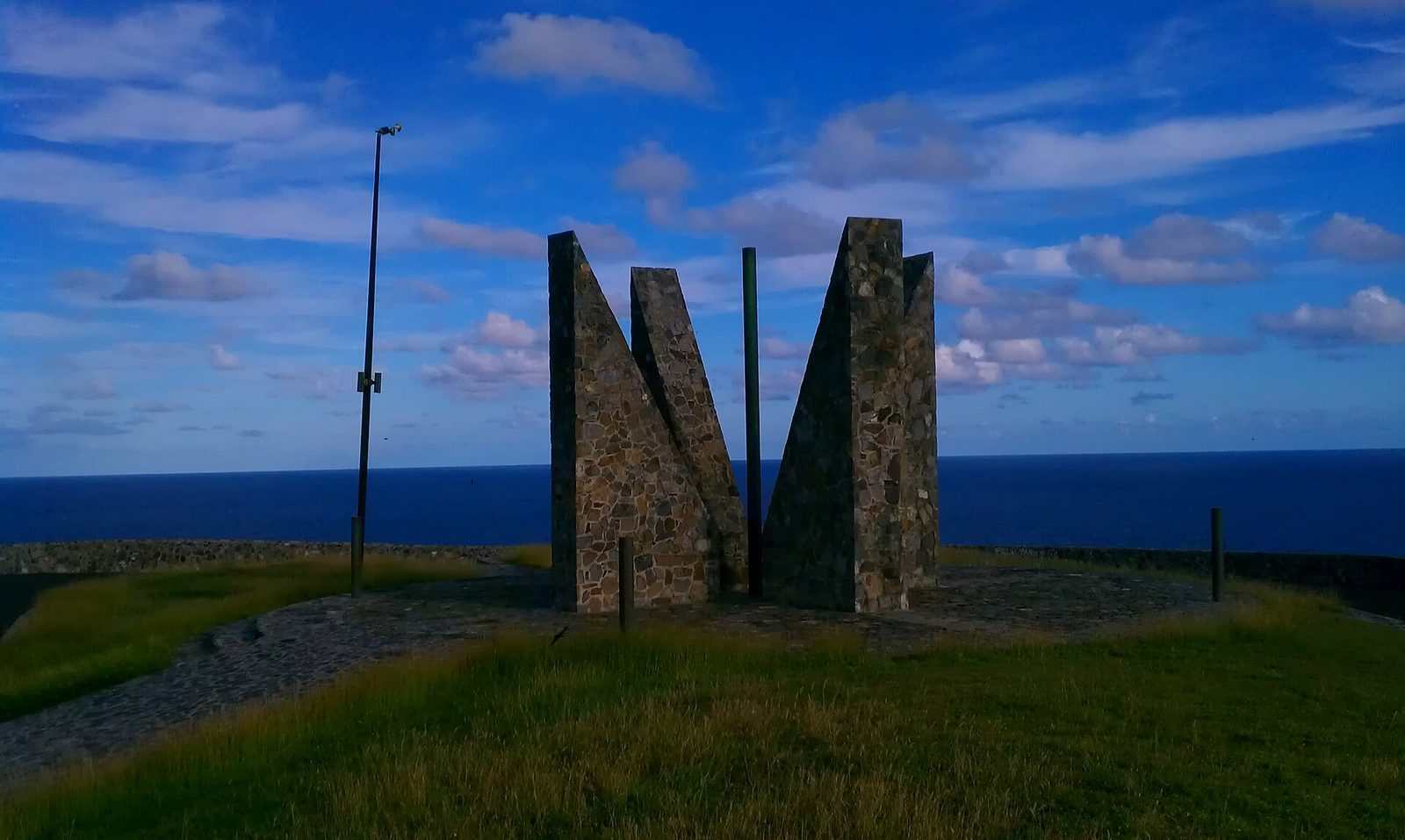
The two wild beaches of the East End sit inside the Jack and Isaac Bay Preserve, 300 acres of dry rolling hills and white-sand bays that The Nature Conservancy has protected since 1999. There is no road to either beach, which is the whole reason they look the way they do. The trail leaves a small parking lot on the right-hand (south) side of the road just before the Millennium Monument at Point Udall — about five minutes' drive from The Cerulean — and drops through upland forest and scrub with little to no shade. The walking is easy to moderate. Do not leave valuables in the car.

You meet the beaches in order. First comes East End Bay, the shore directly below Point Udall, small and open to the wind, and part of the marine park's turtle preserve. A connecting trail west brings you to Isaac Bay, and another to Jack Bay beyond it; TNC's own coordinates for the preserve, 17.748, -64.577, fall roughly between them. Budget a morning, not an hour: the walk is short in distance but exposed, and you will want time in the water at the end of it. Our journal entry walks it first-person and the ridge hikes guide covers the trails, so this section stays on the beaches themselves.

What you get for the effort is the best shore snorkeling on this end of the island. Isaac Bay is the one to swim: less seaweed and fewer rocks than Jack Bay, deeper water, and reefs the Conservancy says are home to at least 400 species of fish — parrotfish, blue tangs, four-eyed butterflyfish, sergeant majors — over elkhorn, staghorn and brain corals, with starfish and conch on the sand between. Turtles and the occasional nurse shark turn up. The water is typically calm but can be choppy, there can be current, and there is no lifeguard, no shade, no toilet and no water. Everything you need walks in with you and walks back out.

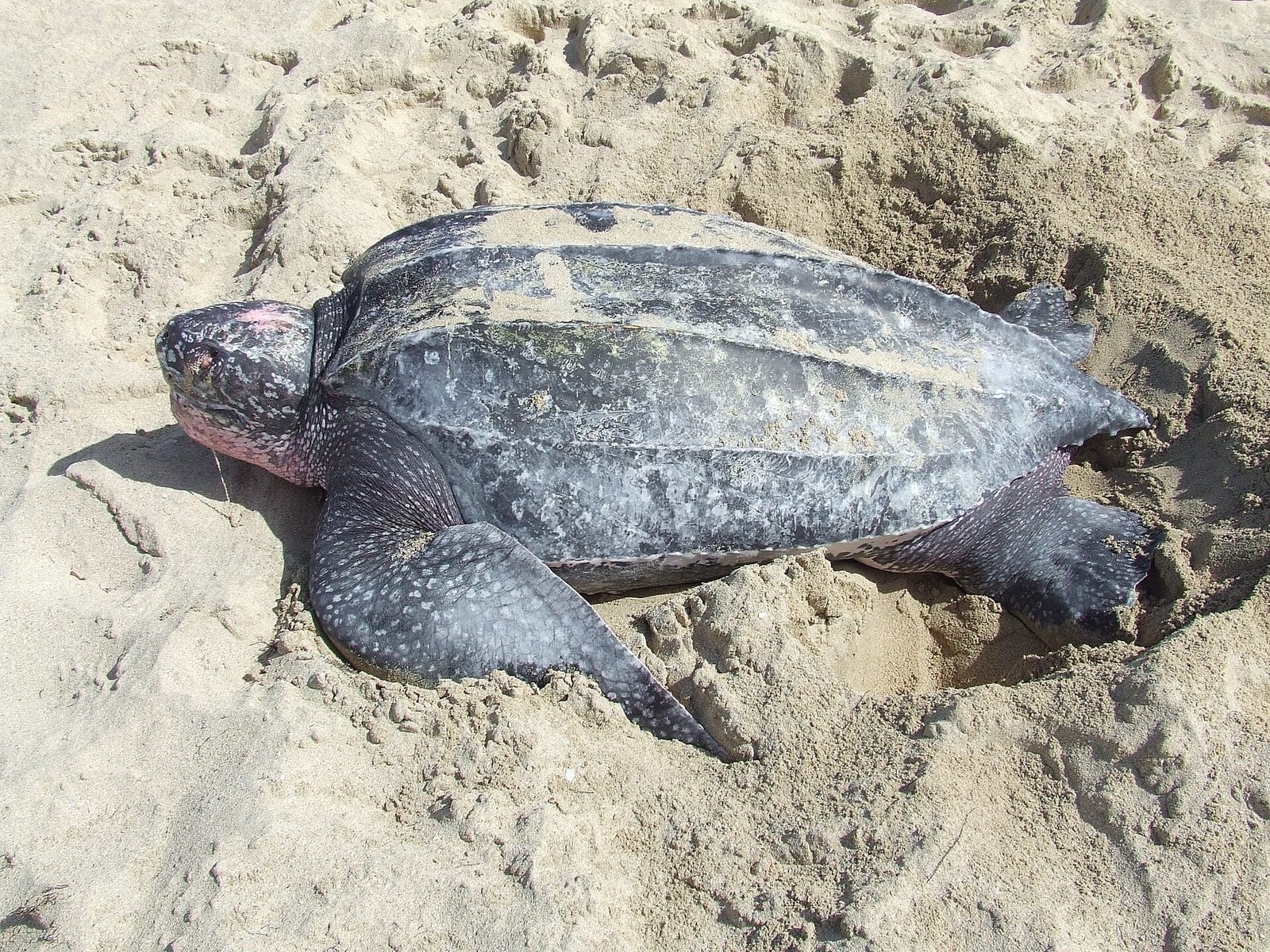
These are also the most important turtle beaches on St. Croix. TNC says the island's largest nesting populations of green and hawksbill turtles use these two bays, and it has run a protection and monitoring program here since 2001, patrolling July to December. The results are the kind conservation rarely gets to report: poaching fell to less than 1 percent of nests after the preserve was established, and nesting green turtle females rose from about eight to nearly 300. Nesting season generally runs July through October — walk above marked nests, do not dig, and read our sea turtles guide first. The waters here are no-take: no fishing of any kind, no personal watercraft.

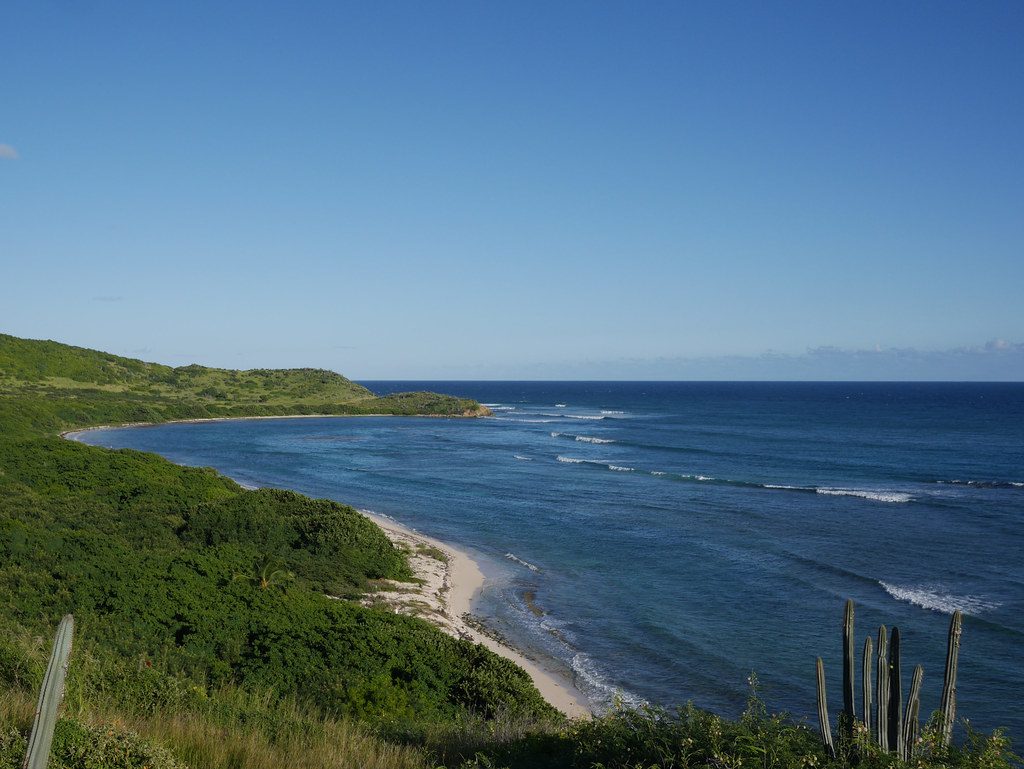
Jack Bay View, St Croix
Jack and Isaac Bay: hike-in sand inside The Nature Conservancy's 300-acre preserve, with no road, no shade and no facilities. Photo: GRI SHA (Flickr) (CC BY-SA 2.0)
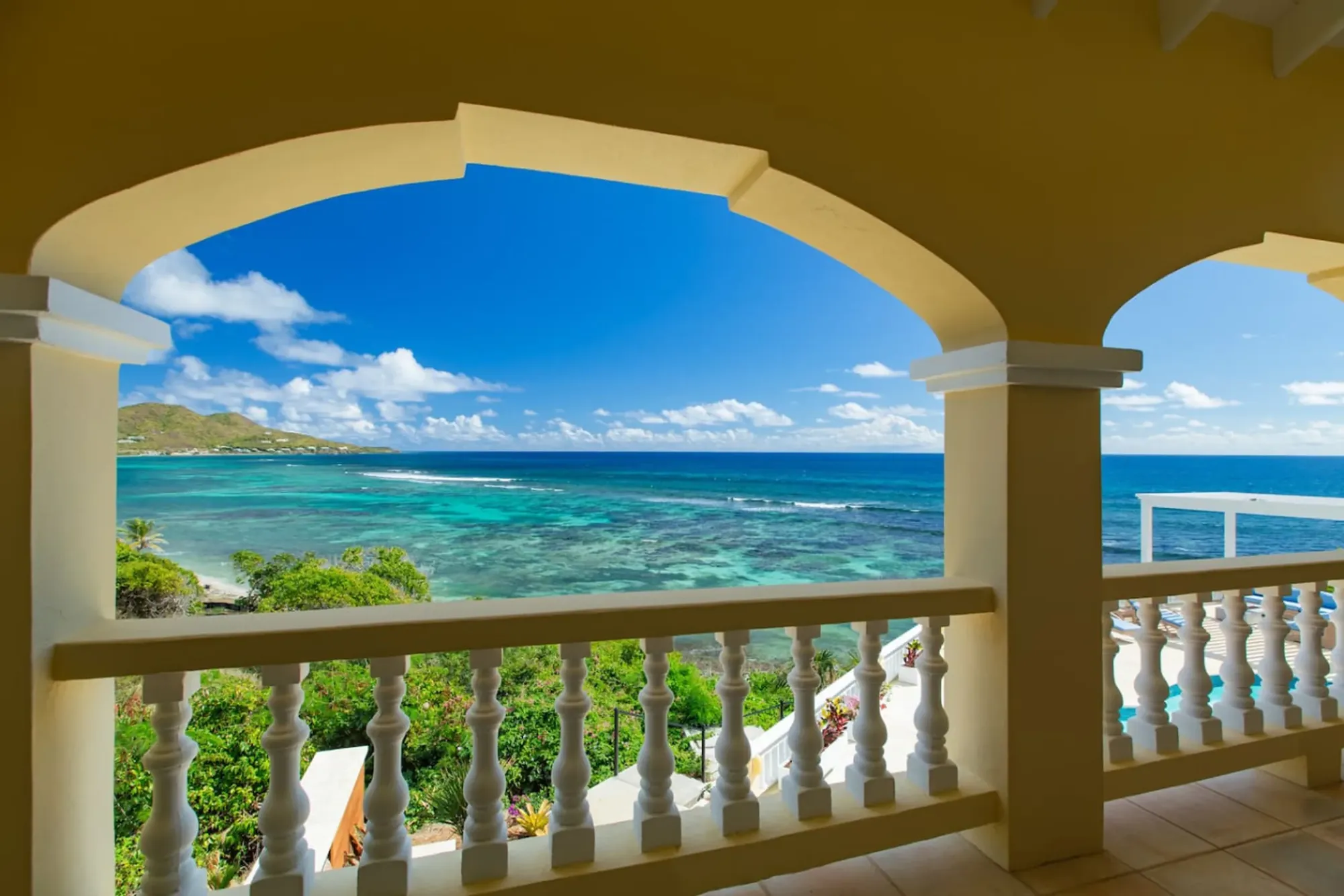
Turquoise bay framed by the villa's arched veranda
The Cerulean

Plan it from the villa.

Five bedrooms, a private swimmable beach, and all of this within a day trip.

Sleeps 12 · 4.90 ★ · rates by season

Rating the East End snorkeling

Let us be straight about East End snorkeling, because the brochures are not. Behind the barrier reef the bottom is mostly sand and seagrass, and seagrass means turtles, conch, starfish and rays rather than the dense reef fish of a wall dive or of Buck Island's lagoon. It is calm, shallow, beginner-friendly water, and it rewards patience more than distance. If a wall of fish is what you came for, book the Buck Island trip; the East End departures at Green Cay Marina and the Teague Bay yacht club are the closest boats to the villa.

Ranked from the shore, this is how they stack up. Isaac Bay is first by a distance — deeper water, real coral, the 400-fish-species reef — with the caveat that you walk in and carry everything. The reef in front of The Cerulean is second for most guests, because it is at the bottom of the steps and the water inside it is shallow and protected; the entry is rocky, water shoes fix that, and the villa keeps masks and basic beach gear on hand. Our journal note says what to expect. Third, the small reef at the eastern end of the Shoys: rays, conch, small eels, tropical fish and the odd trumpetfish over a sandy and grassy bottom.

After that come the grassy bays. Chenay Bay's snorkeling is best along the right side near the point; close to shore the grass holds starfish, conch and sea turtles in water shallow enough for children. Grapetree Bay is calm behind its barrier reef but grassy, so tropical reef fish are few and turtles are the draw. Teague Bay is shallow, rocky and grassy behind its reef, decent around the rock outcroppings, with some sargassum depending on the season. Cramer's Park keeps its fish and coral at the rocky ends. Turner Hole rents snorkel gear at the Divi's beach shack, mostly to guests.

Two rules cover all of it. Under territorial law, sunscreen sold and used here must be mineral (zinc or titanium), not oxybenzone or octinoxate; a long-sleeve rash guard beats any bottle on a reef anyway. And nothing comes home: the whole East End is inside the marine park, and Grapetree, Jack and Isaac are no-take. Look, float, kick gently, and leave the conch where it is.
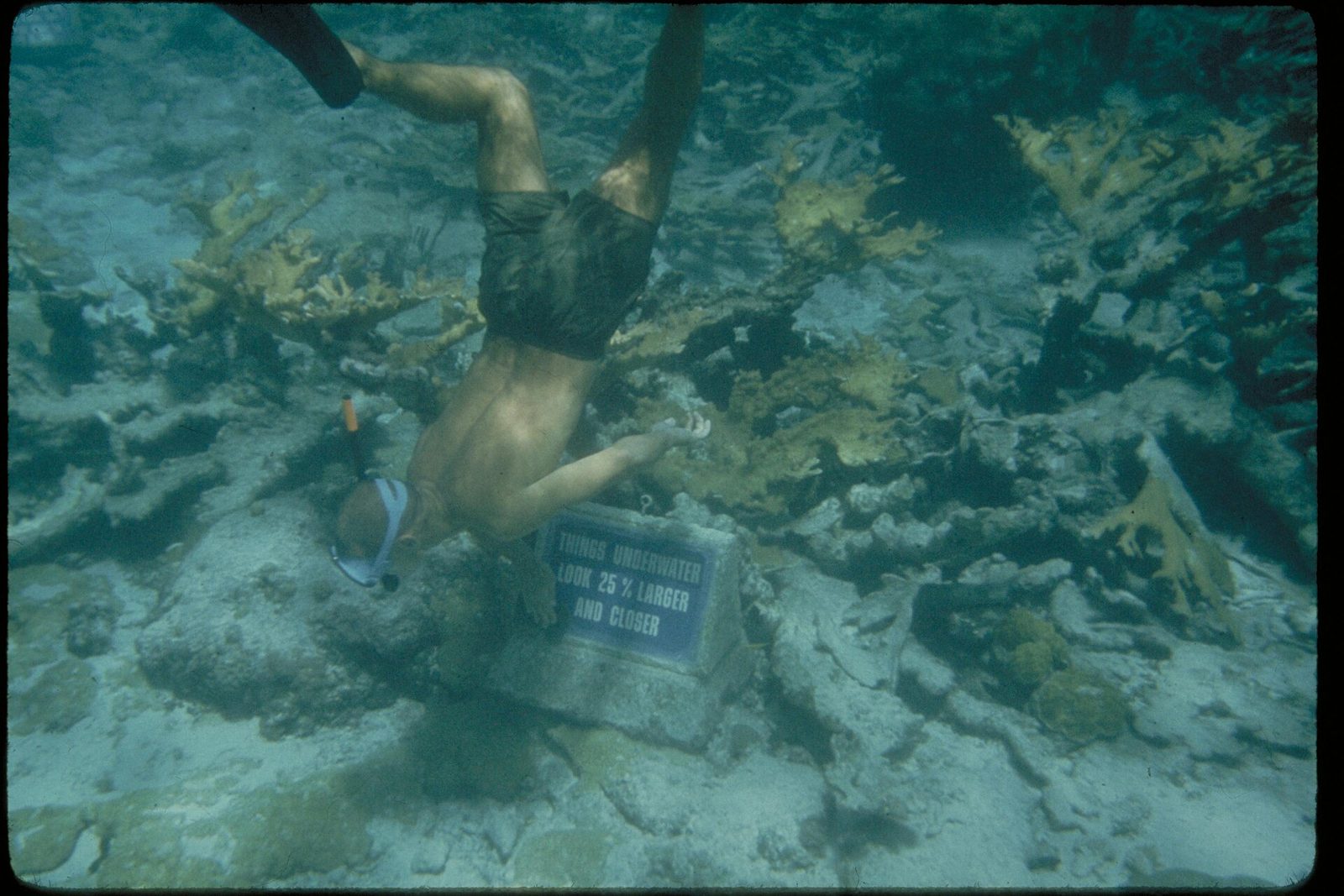
Buck Island Reef National Monument, Virgin Islands (06523f05-6c64-4c00-abe8-c14d9a46efab)
Shallow, reef-sheltered water: mask, fins and a little patience turn up turtles and rays over the seagrass. Photo: NPS staff (Public domain)

Grapetree Bay: the long southeast ribbon

Grapetree is the beach that best explains the south shore. It is a long, narrow stretch of white sand backed by sea grape trees on the East End's south coast, between the Divi resort at Turner Hole and the Point Udall headland, and it faces southeast — straight into the sunrise. A barrier reef sits in front of it, so the water inside is calm enough for easy swimming most days, and the beach is long enough that on a weekday you can walk until you have it to yourself. There is a rockier stretch as well as the sand, and, on the days the wind is up, a little surf.

Getting there from the villa takes only a few minutes along Southshore Road (Route 60) heading east. From the Divi Carina Bay resort, continue east on Route 60, turn right onto South Grapetree Bay Road at the hotel sign, follow it to the T-junction and turn right; the public parking with beach access is west of the Grapetree Bay Hotel & Villas property. Respect the houses on the road down — this is a residential stretch, and the parking is what keeps it open.

There are no facilities on the beach: no restroom, no shower, no bar, no shade beyond the sea grape line. The hotel behind it has, as of this writing, offered pool passes and a beachside restaurant and bar to non-guests, which is worth checking on the day if you want a cold drink or a real toilet; do not plan around it without calling. Dogs are welcome for a walk. Bring water, sun cover, food and something to sit on, and you have a beach that most Caribbean islands would put on a postcard and charge for.

The snorkeling is honest rather than spectacular. The bottom is grassy, so tropical reef fish are thin, but turtles graze the grass and you have a good chance of seeing one on any calm morning. Grapetree lies inside a no-take zone of the marine park: all fishing — line, spear, trap, and diving for conch — is prohibited, and so are personal watercraft. That is why it stays quiet. Of every beach in this guide, it is the one we would send a couple to for a long walk and a swim with nobody in the frame.
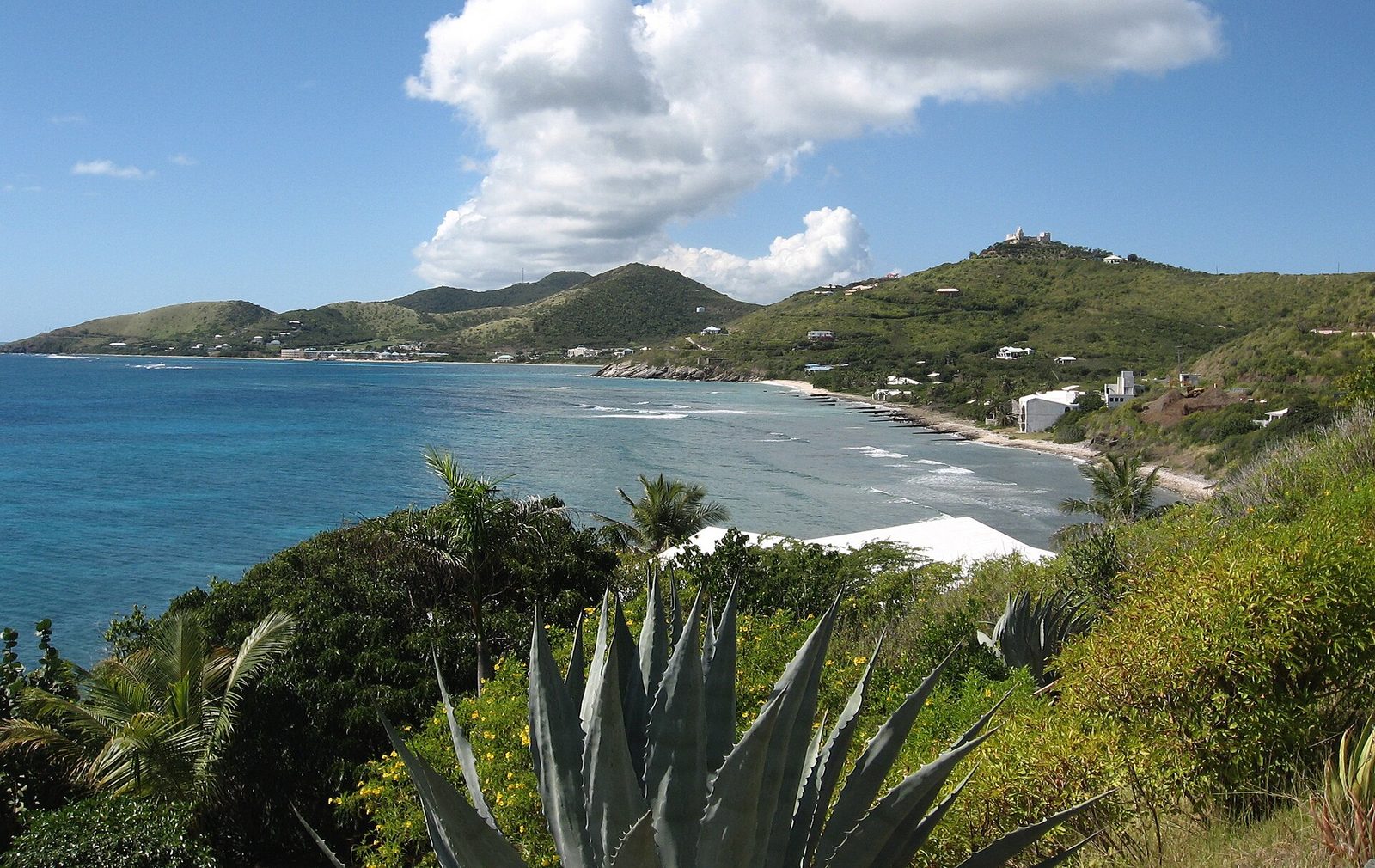
2008-01-27 Grapetree Bay St. Croix USVI
Sea grape at the tide line and calm, reef-sheltered water: the pattern the Shoys and Grapetree share. Photo: Jpheym Jason P. Heym / Seascape Pool Center Inc. (CC BY-SA 3.0)

Turner Hole and the Divi's beach

Turner Hole is the bay a few minutes east of the villa where the Divi Carina Bay resort and its casino sit, at 5025 Turner Hole off Southshore Road (Route 60). The resort's beach is the developed one on this coast: a beach shack, restaurant and bar, hammocks slung between palms, beach chairs and a freshwater pool, snorkel gear, kayak and Sunfish rentals, windsurfing, and lessons for all of it. Free parking is plentiful. It is the place to go on the south shore when someone in the group wants a rum punch delivered to a chair rather than a cooler on the sand.

The catch is that most of that is for hotel guests. The restrooms are for resort guests and restaurant patrons, and chairs and equipment rentals are restricted accordingly, so a non-guest gets the sand and the water and pays for the rest by eating or drinking there. Virgin Islands beaches are public below the high-tide line, which is what lets you walk the Divi's beach at all; the amenities are the resort's own. If you want the full resort-beach day, ask at the desk what it costs before you set up.

The water is inside the marine park's recreational zone: hook-and-line fishing from the beach out to 100 feet only, no spearfishing or diving for conch, and this is one of the two stretches on the East End where personal watercraft are permitted — from the resort's western boundary east to Grapetree Point. Expect a jet ski or two on busy days. Seaweed comes in seasonally; the resort's staff clean it regularly, but not during turtle nesting season, when raking a beach can crush nests, so a summer visit may find sargassum at the tide line by design.

For villa guests Turner Hole is mostly a convenience: the nearest place to rent a kayak or a Sunfish without booking a charter, and a bar a few minutes from home. Confirm the resort's current status and what it offers non-guests when you arrive; resort policies here have changed more than once.

Teague Bay: the yacht club shore

Teague Bay is the north shore's long, sheltered bay, home to the St. Croix Yacht Club and to Duggan's Reef, the family-owned seafood restaurant that has been on this beach since 1983. You reach it from Christiansted or the villa on East End Road (Route 82) and turn left at the entry for Duggan's Reef; there is plenty of parking. The Reef condominiums sit across the road, and above them the hills carry the nine-hole Reef Golf Course, the East End's course and the villa's nearest round — see our golf directory. From the villa, plan on roughly ten to fifteen minutes.

The beach itself is a long stretch protected by a barrier reef, with shallow water, rocky and grassy patches, shade under the trees, and — courtesy of Duggan's — beach chairs and hammocks. It usually is not crowded. The restaurant and bar are open for dinner only, so a beach day here is bring-your-own until evening, when it becomes the natural place to end one: dinner on the sand at Duggan's, reservations required, Monday to Saturday as of this writing, and always check current hours. Our restaurant directory keeps the details.

The reef keeps the water fairly flat except in a strong northeasterly wind, and it makes for decent snorkeling in shallow water around the rock outcroppings, with sargassum possible depending on the season. The bay is a park-designated recreational area with many private moorings around the yacht club: hook-and-line fishing from the beach out to 100 feet only, no spearfishing or conch diving, and personal watercraft permitted only from Cramer's Park west to Teague Point. When the wind blows — which on this bay is often — it is a windsurfing and kitesurfing spot, so keep swimmers and sails apart.

The yacht club is private, but it matters to villa guests for one reason: Llewellyn's Charters sails to Buck Island from here, six passengers at a time on a locally built trimaran, one of the two East End departures closest to The Cerulean. Between the golf, the boat and the dinner, Teague Bay is the beach you visit for the things around it as much as for the sand.

  1. 1969The easternmost headland is named Point Udall for Interior Secretary Stewart Udall
  2. 1999The Nature Conservancy establishes the 300-acre Jack and Isaac Bay Preserve
  3. Jan 1, 2000The Millennium Monument sundial marks the nation's first sunrise of the millennium at Point Udall
  4. 2001TNC begins its sea-turtle protection and monitoring program at Jack and Isaac Bay
  5. Dec 23, 2002The Legislature passes Act 6572 creating the St. Croix East End Marine Park
  6. Jan 9, 2003The East End Marine Park takes effect — 60 square miles, the territory's first marine protected area

Chenay Bay: the family bay

Chenay Bay, also called Southgate Beach, is the East End's answer for small children: shallow, calm, grassy close to shore, and shaded. It lies between Bungalows on the Bay — the former Chenay Bay Beach Resort — and Green Cay Marina, a little over three miles east of Christiansted along Route 82, which puts it about ten to fifteen minutes from the villa. It is a fantastic beach for young children, and the one we would send a family with toddlers to on a windy day.

There are two ways in. From the Southgate Coastal Reserve, turn left at the reserve sign on East End Road and park near the beach. Or, coming from the Tamarind Reef side, turn right at the chain-link fence entrance just before Green Cay Marina and follow the dirt road down to the shore, where you can park along it. The resort end of the beach has lounge chairs and restrooms for its own guests; the rest of the bay has no amenities at all, so bring water, chairs, an umbrella and sun protection.

The bottom is grass close to shore, which is exactly why the marine life is what it is: starfish, conch and sea turtles grazing a few yards out, in water that stays waist-deep a long way. Snorkeling is best along the right side near the point. Kayaking and paddleboarding are the other reasons people come; this is the calmest paddling water on this side of the island. Three threatened or endangered sea-turtle species nest on the berm at the back of the beach, so keep chairs and coolers on the open sand and off the vegetation line.

Rules follow the marine park: hook-and-line fishing from the beach out to 100 feet only, no spearfishing or diving for conch, no personal watercraft. Shade is plentiful, the parking is informal, and the crowd is mostly families and paddlers. If you are choosing between Chenay Bay and Cramer's Park for children, the difference is facilities versus quiet: Cramer's has the restrooms and pavilions, Chenay has the softer bottom and no weekend sound system.

The Shoys: the gate trick

The Shoys is the beach East End locals name when you ask where they swim. It is a calm, sheltered crescent a few miles outside Christiansted — roughly fifteen minutes from the villa — inside Estate Shoys, the residential neighborhood next to The Buccaneer. The water is calm most of the year over a sandy and grassy bottom, with occasional waves that people body surf; the beach is quiet and secluded on almost any day; and there is not a single amenity on it. That last part is why the first part stays true.

The access is what puts people off, and it should not. You turn in at The Buccaneer's entrance off Route 82, where there are two guard gates: the one straight ahead takes you to the hotel, the one on the right is Estate Shoys. You give the guard your name and say you are going to the beach. Then you drive to the gravel parking area on the right-hand side of the main road and take the short path through the vegetation directly across from it, marked by a small sign, down to the sand.

What you find is a beach shaded by sea grape and other foliage along its length, water that is generally easy swimming, and a small reef at the easternmost end of the bay for snorkeling: rays, conch, small eels, tropical fish and, now and then, a trumpetfish. Nothing to write a dive log about, but a very good half hour with a mask. The middle of the bay is pure swimming, and for a lot of people that is the whole reason to come.

The rules are the neighborhood's, and they are the price of admission. No dogs. Keep the noise down and the cars parked where they belong. Take out every wrapper. Be respectful of the surrounding private properties, because Estate Shoys is a residential neighborhood; the beach only stays this easy to reach as long as visitors behave like guests.

Getting onto the Shoys

  1. Turn in at The Buccaneer's entrance off Route 82.
  2. Take the right-hand guard gate (Estate Shoys), not the one straight ahead to the hotel.
  3. Give the guard your name and say you are going to the beach.
  4. Park in the gravel area on the right of the main road.
  5. Take the short marked path directly across from the parking down to the sand.
  6. Leave with everything you brought, and no dog was ever there.

The Buccaneer's three beaches

The Buccaneer is the long-established resort just east of Christiansted, and it has three beaches: Mermaid, Grotto and Whistle. Mermaid is the main beach, palm-shaded and protected, with The Mermaid restaurant and a watersports center on it and lawn games — frisbee golf, cornhole, ping pong — behind it. Grotto Beach is around the corner to the west, quieter, with the Grotto pool and Beauregard's on the Beach restaurant beside it and golf holes along the shoreline. Whistle Beach, in the resort's own words, is an over-the-hill beach favored for its seclusion, with no structures at all, used for small weddings and reached privately by guests of the resort's Beach House.

The access question is the one everybody asks. The Buccaneer's beaches are open to the public, and visitor accounts are consistent: you tell the guard at the hotel gate that you are going to the beach and you are let in. What is public is the beach and the water. The lounge chairs, the complimentary kayaks, paddleboards and snorkel gear, and the Grotto pool are for resort guests, and the resort has at times sold a day pass covering the pool, chairs and drinks service on the sand. Call before you go if you want more than sand and sea; policies change, and this is a business, not a park.

What non-guests get is still worthwhile. Mermaid is a protected, easy-swimming beach with a restaurant behind it, and Grotto is a quiet stretch with restrooms and a bar close by for anyone eating or drinking there. The snorkeling is modest — this is a calm resort bay, not a reef — and it is better used as the lunch-and-swim beach at the Christiansted end of a town day than as a destination in itself. From the villa it is about the same fifteen to twenty minutes as town.

The reason to know these beaches at all is combination: a morning at Fort Christiansvaern and the boardwalk, a swim and lunch at Mermaid, the Shoys next door for the quiet afternoon swim, then home to the East End with the sun going down behind you.
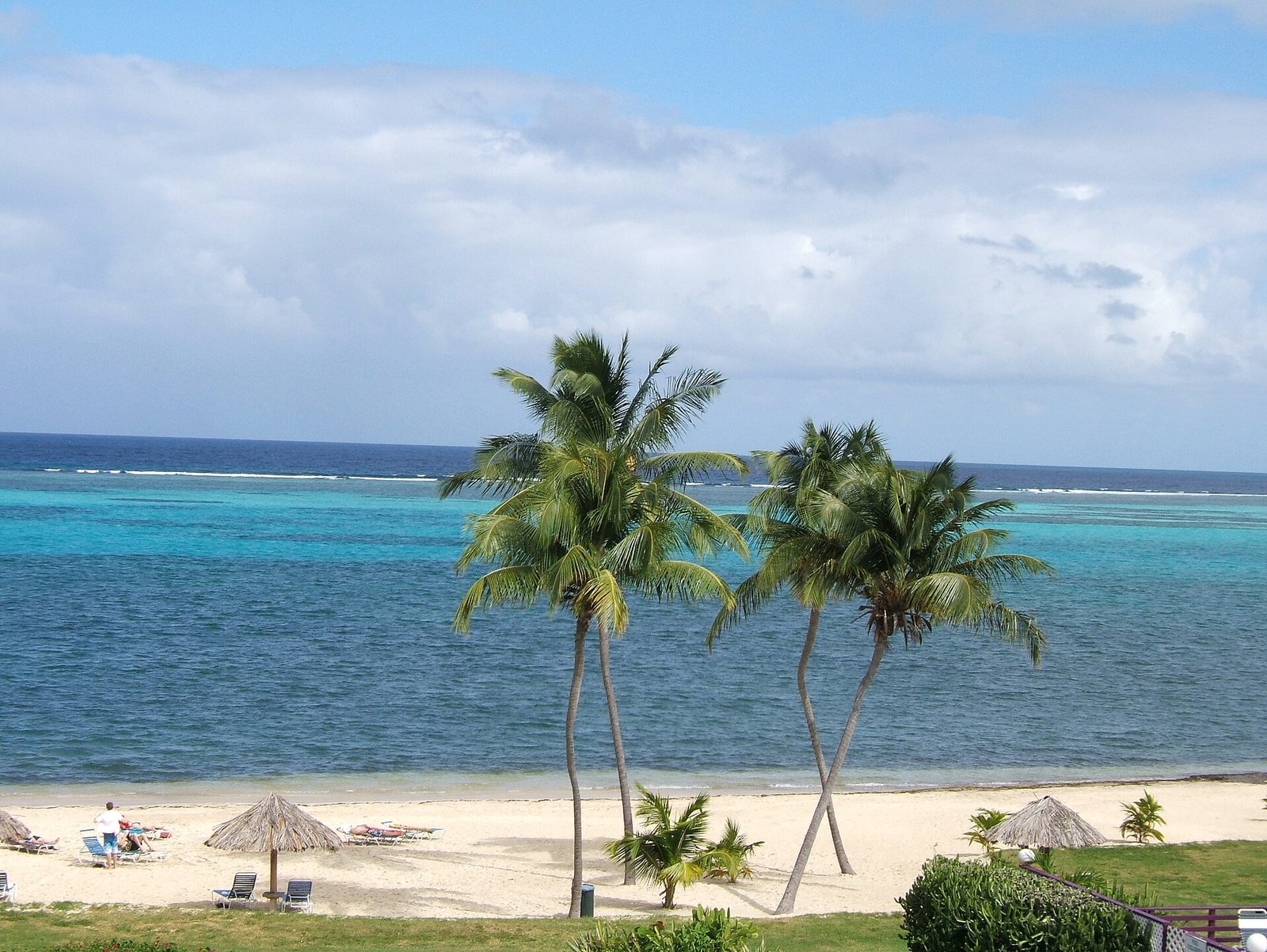
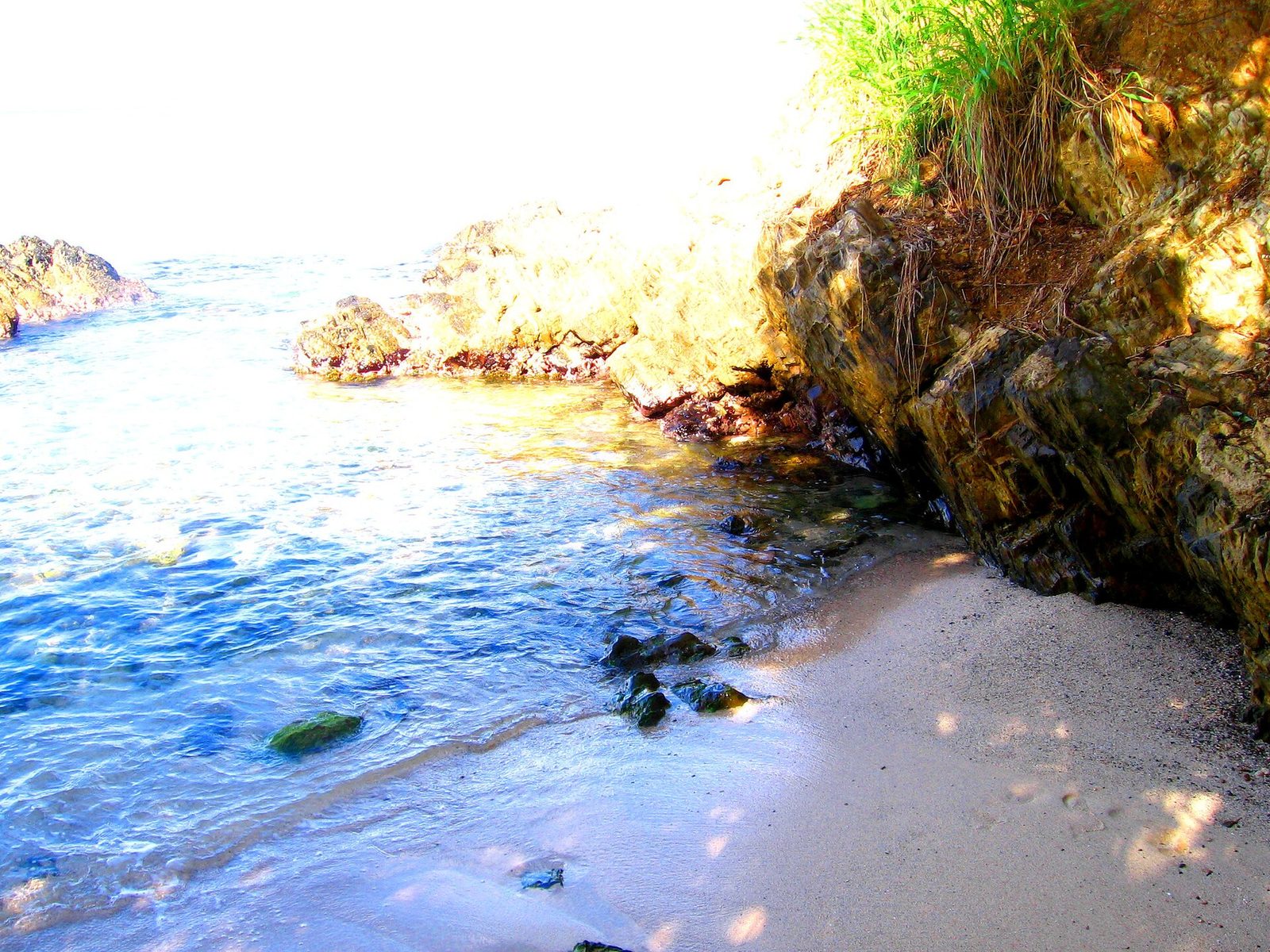
St Croix beach palm
Photo: Micky** (CC BY-SA 2.0)
Cove
Photo: EastOfWest (CC BY-SA 3.0)
Whitesand
Photo: EastOfWest (CC BY-SA 3.0)

Beach by beach: how they compare

Ten beaches, ten different answers to the same morning question. The table below is the short version — drive times are from The Cerulean's gate and are rough, water and snorkeling notes are for a typical calm morning, and "facilities" means what a non-guest can actually use without paying a resort. Read it as a menu, not a ranking: the best beach on the East End is the one that matches the wind, the ages in the car and how much you feel like carrying.

BeachFrom the villaWaterShade and facilitiesSnorkeling
The Cerulean's beachDown the stepsShallow, reef-protected, rocky entryPool deck, outdoor kitchen, towelsGood, right off the sand
Isaac BayAbout 5 min drive plus a hikeUsually calm, some current, no lifeguardNone at allBest on the East End
Jack BaySame trail, farther westUsually calm, more rocks and weedNone at allGood, Isaac is better
Grapetree BayA few minutes eastCalm behind the reef, sometimes surfSea grape only, hotel bar nearbyGrassy, turtles
Turner Hole (Divi)A few minutes eastCalm, jet skis allowed hereResort bar and rentals, mostly for guestsModest, gear for rent
Cramer's ParkAbout 10 to 15 minShallow, typically very calmRestrooms, pavilions, grills, lots of shadeRocky ends only
Teague BayAbout 10 to 15 minShallow, flat unless NE windTrees, chairs and hammocks, Duggan's at dinnerDecent around the rocks
Chenay BayAbout 10 to 15 minShallow and calm, grassyPlenty of shade, no amenities outside resortTurtles and conch by the point
The ShoysAbout 15 minCalm most of the year, sandy and grassySea grape shade, nothing elseSmall reef at the east end
Buccaneer beachesAbout 15 to 20 minCalm, protectedRestaurants and restrooms for patronsModest

Facilities, shade, parking and what to carry

The pattern in the table: the East End trades facilities for quiet, and only two kinds of place break the rule. Cramer's Park gives you restrooms, pavilions, grills, ramps and paved parking for free. The resorts — the Buccaneer, the Divi at Turner Hole, the Grapetree Bay hotel — give you bars, restrooms and chairs in exchange for being a guest or a paying customer. Everywhere else, from the Shoys to Isaac Bay, there is sand, water, sea grape shade if you are lucky, and nothing you did not carry in.

So carry the right things. Water, more than you think, because there is not a fountain on any of these beaches. Shade you can pitch — a small umbrella or a sail — because afternoon shade on the sunrise side is scarce and the preserve beaches have none. Water shoes, for the rocky entries at the villa, Cramer's ends and Teague Bay. Mineral sunscreen and a long-sleeve rash guard. Something to sit on. A dry bag if you are walking in to Isaac Bay, and a real hat. Snacks and a cooler for the day, since the only lunch counters are at the resorts and Duggan's opens at dinner.

Parking is easy but not always obvious. Cramer's, Teague Bay (at Duggan's) and Turner Hole have real lots. Grapetree's public lot is at the end of South Grapetree Bay Road, west of the hotel. Chenay Bay's is either near the reserve sign or along the dirt road by the marina. The Shoys is a gravel pull-off behind a guard gate. The preserve trailhead is a small lot on the right just before the Point Udall monument, and the advice not to leave valuables in the car applies to all of them; put the phone in the dry bag and take it with you.

The beach directory keeps the practical lines for each of these — directions, what is there, what is not — current between visits, and the villa's concierge can put chairs, umbrellas and a cooler in the car before you leave the gate.

Reading the day: wind, swell, sargassum and turtles

East End beach days are decided by the wind, and the wind is decided before you wake up. On an ordinary trade-wind morning — east to northeast, moderate — every reef-sheltered beach in this guide is flat and clear early, and chop builds through the afternoon. On a stronger day, north-shore beaches that face into the wind, Teague Bay and Cramer's among them, take the chop first, and the south shore behind its reef, Grapetree and the villa's own bay, holds calmer longer. In winter the Christmas winds bring stronger northerly swell; that is when the north shore turns lively and the sailors and kitesurfers show up at Teague Bay.

The morning rule follows from that: swim and snorkel before eleven, walk and eat after. Visibility is better, the water is flatter, the parking is emptier and the sun is lower. Nobody on the East End regrets an early beach; plenty regret a two o'clock one.

Sargassum is the seasonal wild card across the whole Caribbean, and the East End's windward beaches catch it. It turns up at Teague Bay depending on the time of year, and the Divi's page notes that staff clean Turner Hole regularly except during turtle nesting season, when raking would destroy nests. Translate that: in a heavy sargassum month, some beaches will have weed at the tide line and the responsible ones will leave it there. Swim past it, or drive to whichever bay the wind is sparing that week.

Turtles change the beach etiquette from roughly July through October at Jack and Isaac Bay, with TNC's monitoring running July to December, and three species nest on Chenay Bay's berm. Keep chairs and coolers off the vegetation line, do not dig, keep lights off the sand at night, give marked nests a wide berth, and in the water keep the marine park's 50 yards from any turtle. None of it costs anything, and it is why the green turtle count here went from about eight nesting females to nearly 300.

St Croix NASA
From above, the East End's reef shows as a pale line offshore; the calm, grassy water this guide keeps describing is the lagoon inside it. Photo: NASA (Public domain)

With kids and with a group of twelve

With children, the East End is close to ideal, provided you match the beach to the age. Toddlers and early swimmers: Chenay Bay first — shallow, calm, grassy, shaded — then Cramer's Park on a weekday for the restrooms and the calm water. School-age snorkelers: the villa's beach with water shoes on, then the Shoys' small reef, then Chenay's point. Teenagers who can hike and swim: Isaac Bay, with the rules explained first. Skip the preserve with a stroller or a child under six who will not carry water; there is no shortcut back. Our St. Croix with kids guide covers the rest of the island's family logistics.

With a group the size the villa sleeps, the East End's lack of facilities becomes the reason to base a group beach day at home and use the others as excursions. Twelve people, three cars, one Cramer's pavilion on a Sunday is a fine Crucian tradition; twelve people walking into Isaac Bay with twelve gallons of water is a logistics exercise, so send the strong swimmers and let the rest take the pool. Grapetree handles a big group best of the wild beaches because it is long enough to spread out on and a few minutes from the villa's kitchen. Turner Hole works when half the group wants a bar and rentals.

The trick is splitting the day, not the group: everybody on the villa's beach and pool in the morning while the water is flattest, cars peeling off after lunch — one to Cramer's, one to Chenay Bay with the little ones, one to Teague Bay for a walk and dinner at Duggan's — and everyone home for the fire pit.

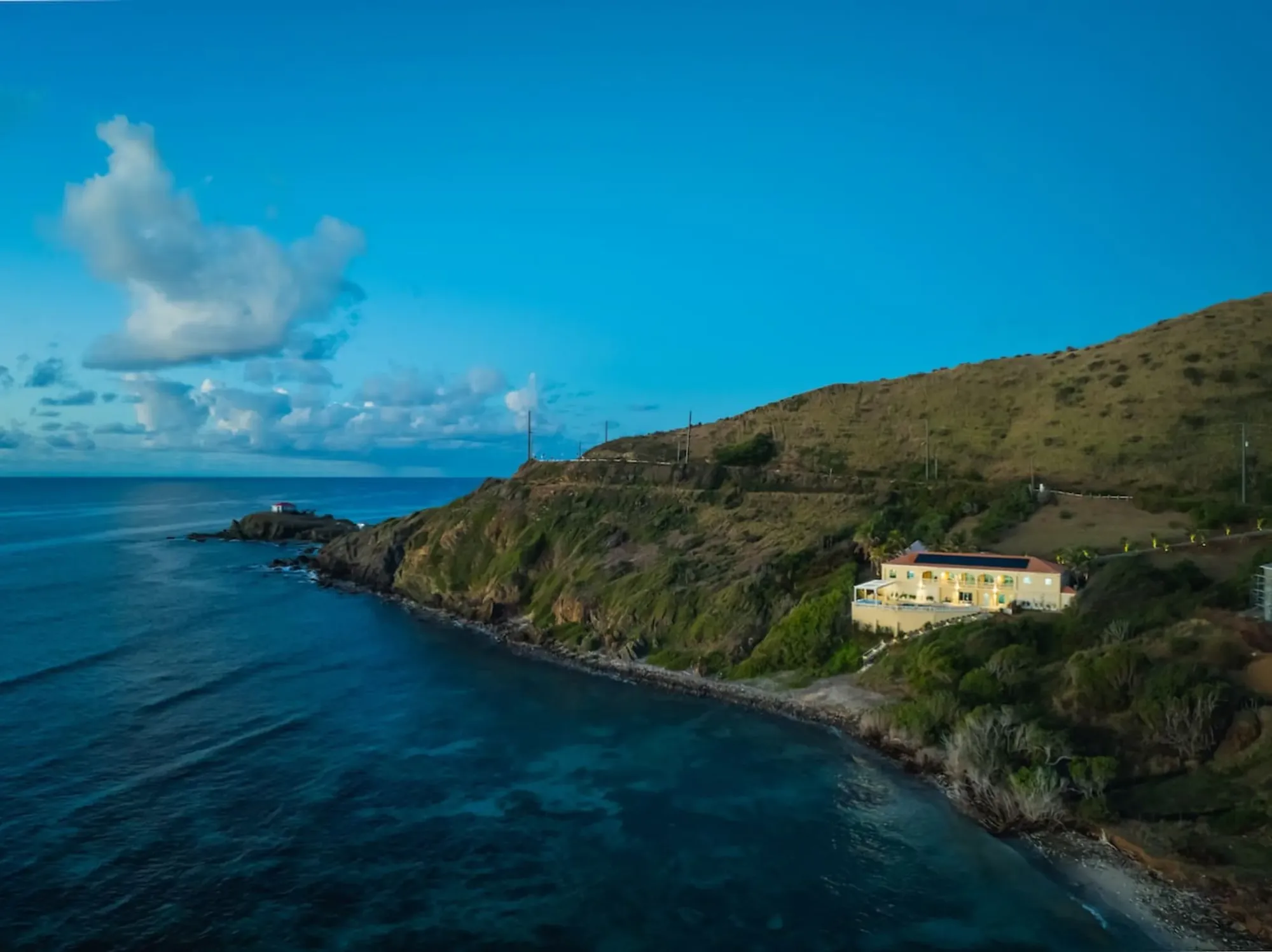
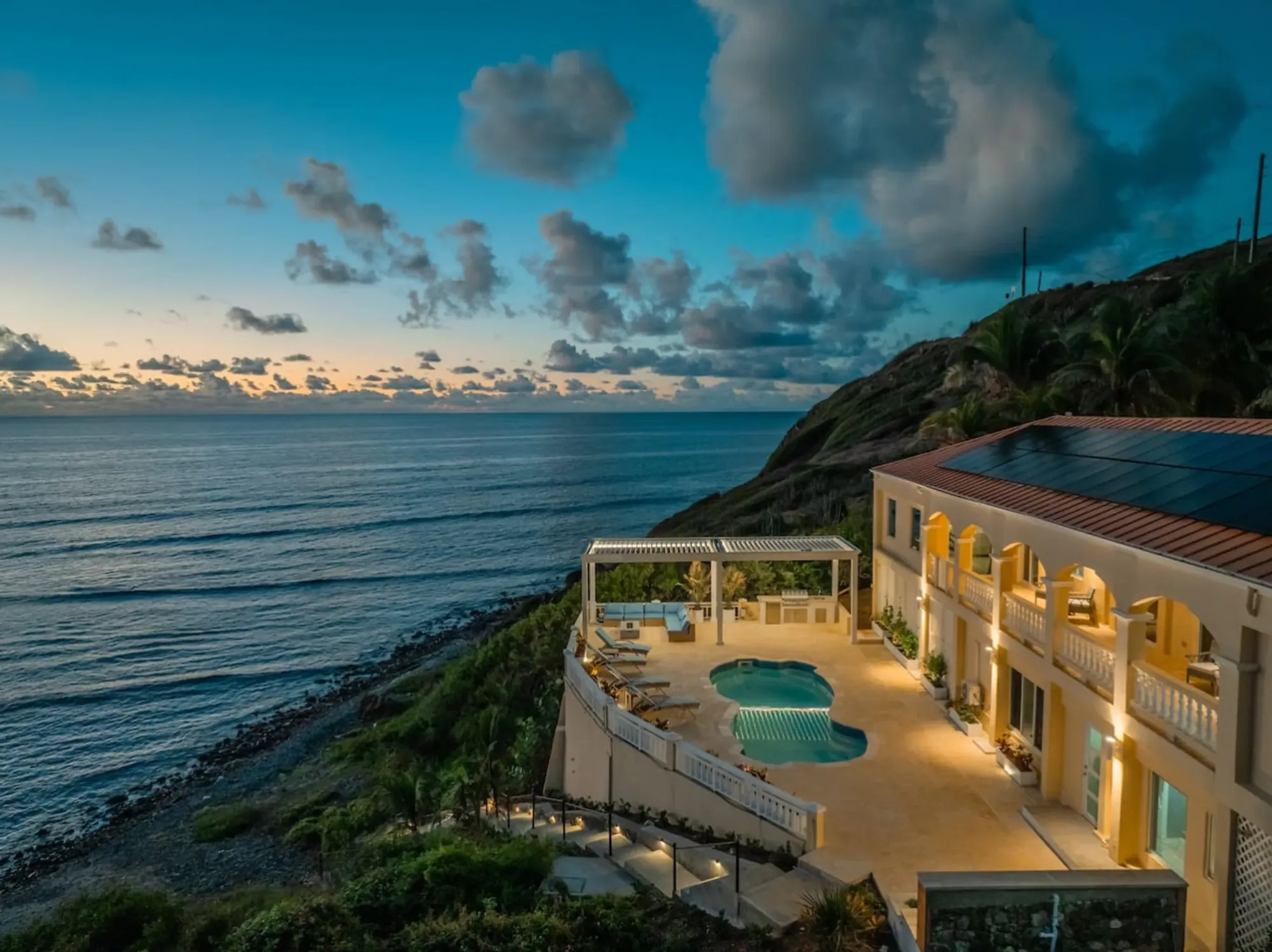
The Cerulean from above: the villa on its point, the pool deck above the water, and its private beach with the reef in front.
The Cerulean from above: the villa on its point, the pool deck above the water, and its private beach with the reef in front. Photo: The Cerulean

Mistakes to avoid

Choosing Cramer's Park on a holiday weekend for peace and quiet. It is a public party park on those days, by design; go on a Tuesday, or take the crowd as part of the fun. Walking into Isaac Bay at one in the afternoon with one bottle of water and flip-flops. The trail has little to no shade and the walk back is uphill; go at eight, in shoes, with a liter each and a dry bag. Driving up to the Buccaneer's gate expecting a public beach park with loungers laid out for you: the sand is public, the chairs and pool are not.

Fishing, spearing or shelling anywhere in the marine park without knowing the zone: Grapetree, Jack and Isaac are no-take; the recreational stretches allow hook-and-line from the beach to 100 feet and nothing else; conch, lobster and whelk are off the table from every beach. Launching a jet ski outside the two permitted stretches. Bringing the dog to the Shoys, where dogs are not allowed, when Grapetree welcomes them. Leaving a phone on the car seat at the trailhead. Planting an umbrella in the berm at Chenay Bay in September.

And the quiet one: driving past your own beach. Guests arrive with a list of East End beaches to tick off and discover on day two that the water at the bottom of the villa's steps is calm, protected and full of fish, and that the drive to anywhere else needs a reason. Use this guide for the reasons — the hike, the pavilion, the toddlers, the yacht-club dinner — and let the default be the beach you paid for.

“Amazing snorkeling right in front of the house in the shallow water protected by the reef.”

Emily, guest, April 2026

Questions people ask

Which East End beach is best for small children?

Chenay Bay and Cramer's Park. Chenay Bay is shallow, calm and grassy-bottomed close to shore, with plenty of shade, and a fantastic beach for young children. Cramer's Park has shallow, typically very calm water, restrooms, pavilions and sea grape shade, but it gets loud and busy on weekends, so take kids on a weekday. The villa's own beach works too, once everyone has water shoes for the rocky entry.

Can you drive to Jack Bay or Isaac Bay?

No. Both bays sit inside The Nature Conservancy's 300-acre Jack and Isaac Bay Preserve and are reached only on foot. The trail leaves a small parking lot on the right (south) side of the road just before the Millennium Monument at Point Udall, about five minutes' drive from The Cerulean. You reach East End Bay first, then Isaac Bay, then Jack Bay farther west. There are no facilities at all, so carry water, shade and everything else in and out.

Is camping allowed at Cramer's Park?

Yes, camping is allowed at Cramer's Park, and around Easter it is a Crucian family tradition on the East End Marine Park beaches. The DPNR guidelines published for those weeks require that fires have a permit from the V.I. Fire Service, that temporary structures come down and all trash leaves with you, and that no vehicles, ATVs or motorized bikes go onto the beaches or salt ponds. Confirm current permit rules with DPNR before you plan a night out there.

How do I get onto the Shoys beach if I am not staying at the Buccaneer?

Turn in at The Buccaneer's entrance off Route 82. There are two guard gates: the one straight ahead goes to the hotel; the one to the right is Estate Shoys. Give the guard your name and say you are going to the beach. Park in the gravel area on the right of the main road and take the short marked path across from it down to the sand. It is a residential neighborhood: no dogs, no noise, nothing left behind.

Are the Buccaneer's beaches open to the public?

Mermaid, Grotto and Whistle beaches are open to the public, and visitors report telling the guard at the gate that they are going to the beach. The resort's loungers, watersports gear and the Grotto pool are for hotel guests, and the resort has at times offered a paid day pass, so call ahead if you want chairs, drinks service or the pool rather than just the sand and the water.

Where is the best snorkeling on the East End?

Off the beach, Isaac Bay, which has deeper water and fewer rocks and less seaweed than Jack Bay, over reefs The Nature Conservancy says hold at least 400 fish species. It costs you the hike in. Without the hike, the reef in front of The Cerulean, the small reef at the eastern end of the Shoys, and the point at Chenay Bay are all worthwhile; Grapetree and Chenay are grassy, so expect turtles and conch rather than clouds of reef fish. For the real show, book Buck Island.

Can I fish, take shells or use a jet ski at these beaches?

Mostly no. All of these beaches lie inside the St. Croix East End Marine Park. Shore fishing is hook-and-line only, and only in the recreational stretches (from Chenay Bay to Cramer's Park on the north shore, Grapetree Point to Great Pond on the south); Grapetree, Jack and Isaac are no-take, with no fishing of any kind. Spearfishing and taking conch, lobster or whelk are prohibited from every park beach. Personal watercraft are allowed only in two short recreational stretches, and never in the no-take or turtle-preserve waters.

Which beaches have restrooms, shade and parking?

Cramer's Park has restrooms, covered pavilions with picnic tables, grills, paved parking and a lot of sea grape shade. The Buccaneer's Grotto and Mermaid beaches have restaurants and restrooms nearby for patrons. Turner Hole has the Divi resort's bar, restaurant and beach shack, mostly for guests. Teague Bay has parking at Duggan's Reef and shade under trees. Grapetree, the Shoys, Chenay Bay's non-resort sections, and Jack and Isaac Bay have no facilities: bring your own water, shade and chairs.

When is sea-turtle nesting season on the East End, and what does it change?

Nesting at Jack and Isaac Bay generally runs from July through October, and The Nature Conservancy monitors nests from July to December; the marine park's turtle preserve zone asks you to stay 50 yards from turtles in the water. On the sand, that means no digging or lights near the berm at night, giving marked nests a wide berth, and understanding why resort staff leave seaweed alone on nesting beaches. Our sea turtles guide covers the species and the etiquette in full.

Doing it from The Cerulean: a week of beaches

The Cerulean sits on the East End's south-east coast with its own private beach at the bottom of the property, a reef in front that keeps the water calm and the fish close, and a pool deck above the sea for the hours in between. That changes the math of this whole guide: the first beach is a walk down the steps, and every other beach is a short excursion from a base with better facilities than any of them — a chef's kitchen, an outdoor kitchen and grill, towels, shade, and a shower at the end of it. The private beach page has the honest details, rocky entry included.

A week that uses the East End well looks something like this. Day one, the villa's beach and nothing else: water shoes on, mask on, the reef in front of the house until lunch. Day two, the preserve early — five minutes to the trailhead, Isaac Bay by nine, back to the pool by noon. Day three, a Buck Island boat from Green Cay Marina or Teague Bay, the one day you go beyond the reef. Day four, Christiansted in the morning, the Shoys or Mermaid Beach after. Day five, Cramer's Park or Chenay Bay with the children, or Grapetree with a book. Day six, golf at the Reef and dinner at Duggan's. Day seven, sunrise from the veranda and the sea at your feet one more time.

The concierge can put chairs, umbrellas and a cooler in the car, book the Buck Island boat, arrange kayaks or paddleboards, and tell you on any given morning which side of the East End the wind is sparing. The point of a private beach is not that you never leave it. It is that every East End beach in this guide is a ten-minute decision, made from a veranda facing the water, with the sunrise already behind you.

The bay in front of The Cerulean, seen through the arched veranda: the beach at the bottom of the property is the one you start every morning on.
The bay in front of The Cerulean, seen through the arched veranda: the beach at the bottom of the property is the one you start every morning on. Photo: The Cerulean
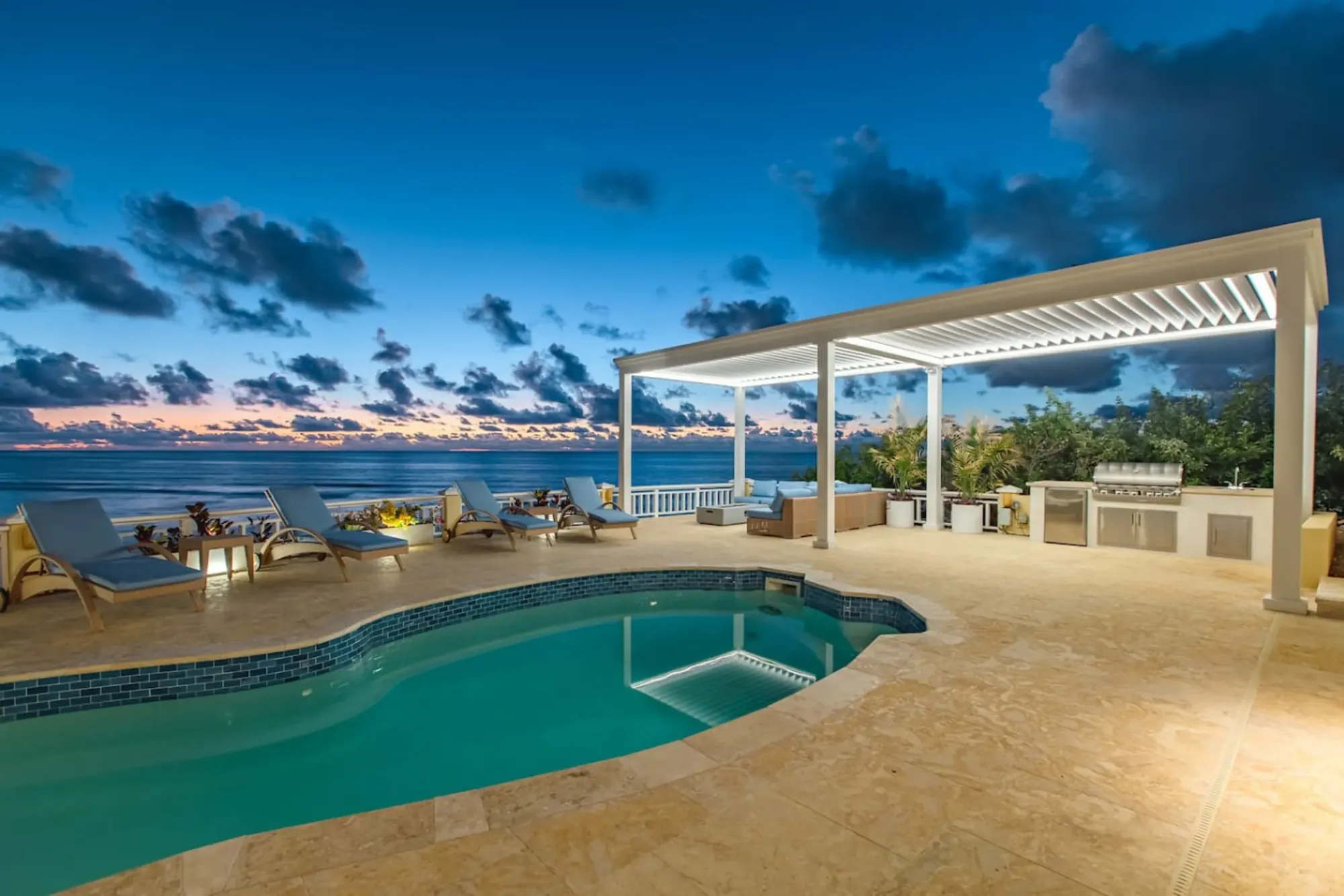
The Cerulean's pool at sunset above the sea
The Cerulean

Twelve of you, one private beach.

The Cerulean sleeps twelve on St. Croix's quiet East End — check your dates.

Sleeps 12 · 4.90 ★ · rates by season
Keep reading

Related guides.

The Cerulean villa at dawn above the sea
The Cerulean

Read it here. Live it from the villa.

Five bedrooms, a private beach, and all of this within a day trip.

Sleeps 12 · 4.90 ★ · rates by season