

The CeruleanSt. Croix · U.S. Virgin Islands
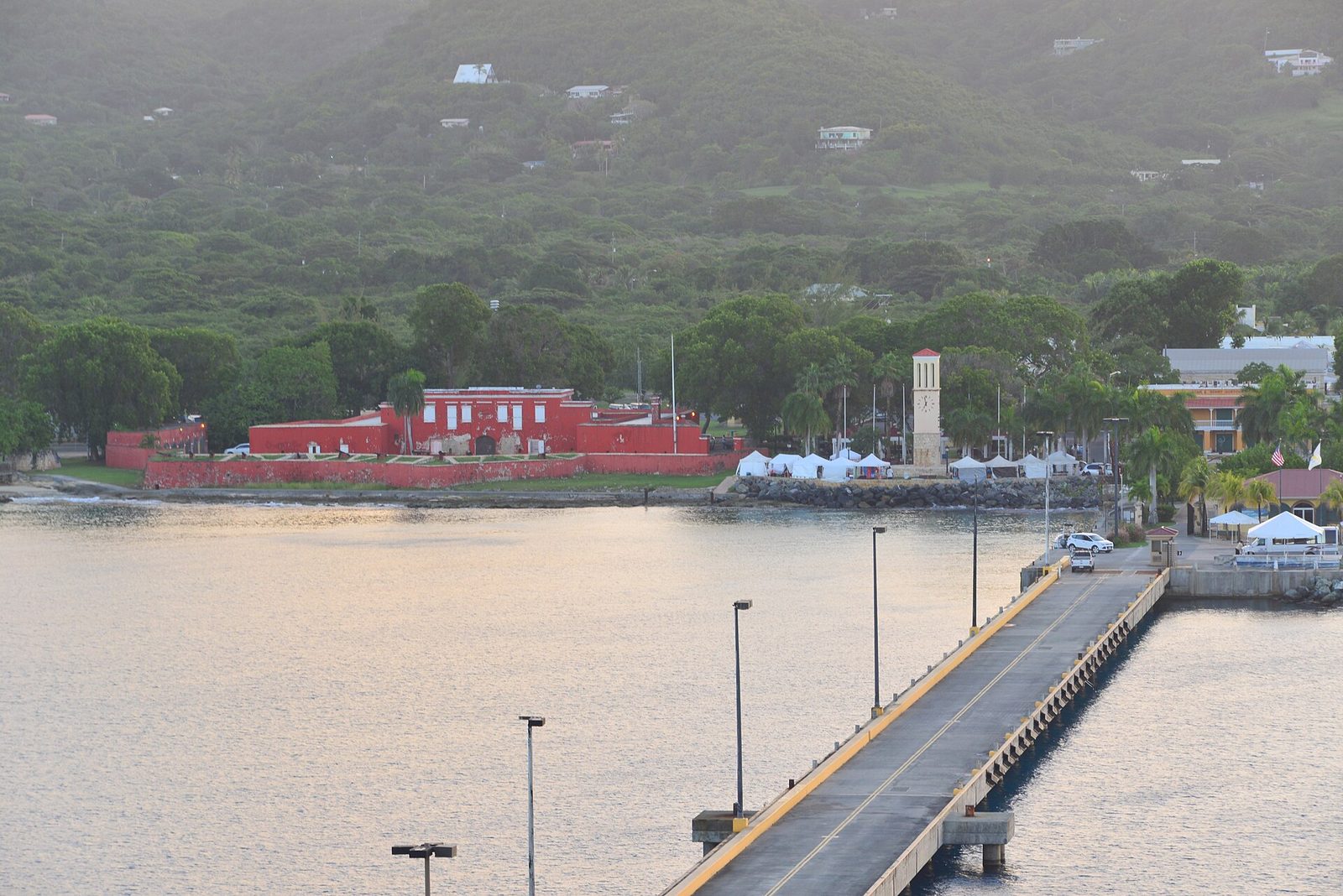
Frederiksted, St Croix 00840, USVI - panoramio (2)

July 3, 1848: The Day Freedom Was Taken at Fort Frederik

On July 3, 1848, about eight thousand enslaved people marched on Frederiksted and ended slavery in the Danish West Indies by late afternoon. The whole day, the people, the record, and how to stand there.

Photo: Андрей Бобровский (CC BY 3.0)

On the morning of July 3, 1848, thousands of enslaved people from the sugar estates of western St. Croix put down their tools, walked into Frederiksted and surrounded the red Danish fort on the waterfront. By late afternoon Governor-General Peter von Scholten had proclaimed every unfree person in the Danish West Indies free. Denmark had planned to take twelve more years. This guide tells the day plainly, from the 1847 decree to the labor law that followed, and shows you how to stand where it happened: Fort Frederik, Buddhoe Park and the streets between, about 50 minutes west of the villa.

Where it is on St. CroixChristianstedFrederikstedPoint UdallThe CeruleanFort Frederik, Frederiksted
Where it is. Island outline © OpenStreetMap contributors (ODbL).

The short version, before the long one

Here is the outline, so the rest of the guide has somewhere to hang. In 1847 Denmark announced that slavery in its West Indian colony would end in twelve years, with children born after that date free from birth and everyone else made to wait. On the night of Sunday, July 2, 1848, the enslaved people of St. Croix's western sugar estates called each other out with conch shells and estate bells and walked through the dark toward Frederiksted. By the morning of Monday, July 3, about 8,000 of them, by the figure most accounts use, filled the town and surrounded Fort Frederik, and they demanded freedom that day.

The governor-general, Peter von Scholten, was on the other side of the island. He came, and in the middle of the afternoon he proclaimed all the unfree in the Danish West Indies free. Slavery in the Danish islands ended, seventeen years before the Thirteenth Amendment ended it in the United States, and it ended because the people who were enslaved organized, marched and refused to go home. That is why Frederiksted is called Freedom City, and why July 3 is a public holiday in the U.S. Virgin Islands.

The rest of the story is less clean, and this guide tells that too: the unrest that followed in the countryside, the leader who was deported, the governor who was put on trial, and the labor law of 1849 that put the freed back on the estates under contract and set the fuse for the Fireburn of 1878. What it leaves to others: the town itself is in our Frederiksted guide; the plantation economy that 1848 broke is at Estate Whim; and the seven changes of flag that put Denmark here are in the seven flags guide. Read this one first. It is the reason the other three matter.

Frederiksted Southeast, St Croix 00840, USVI - panoramio (3)
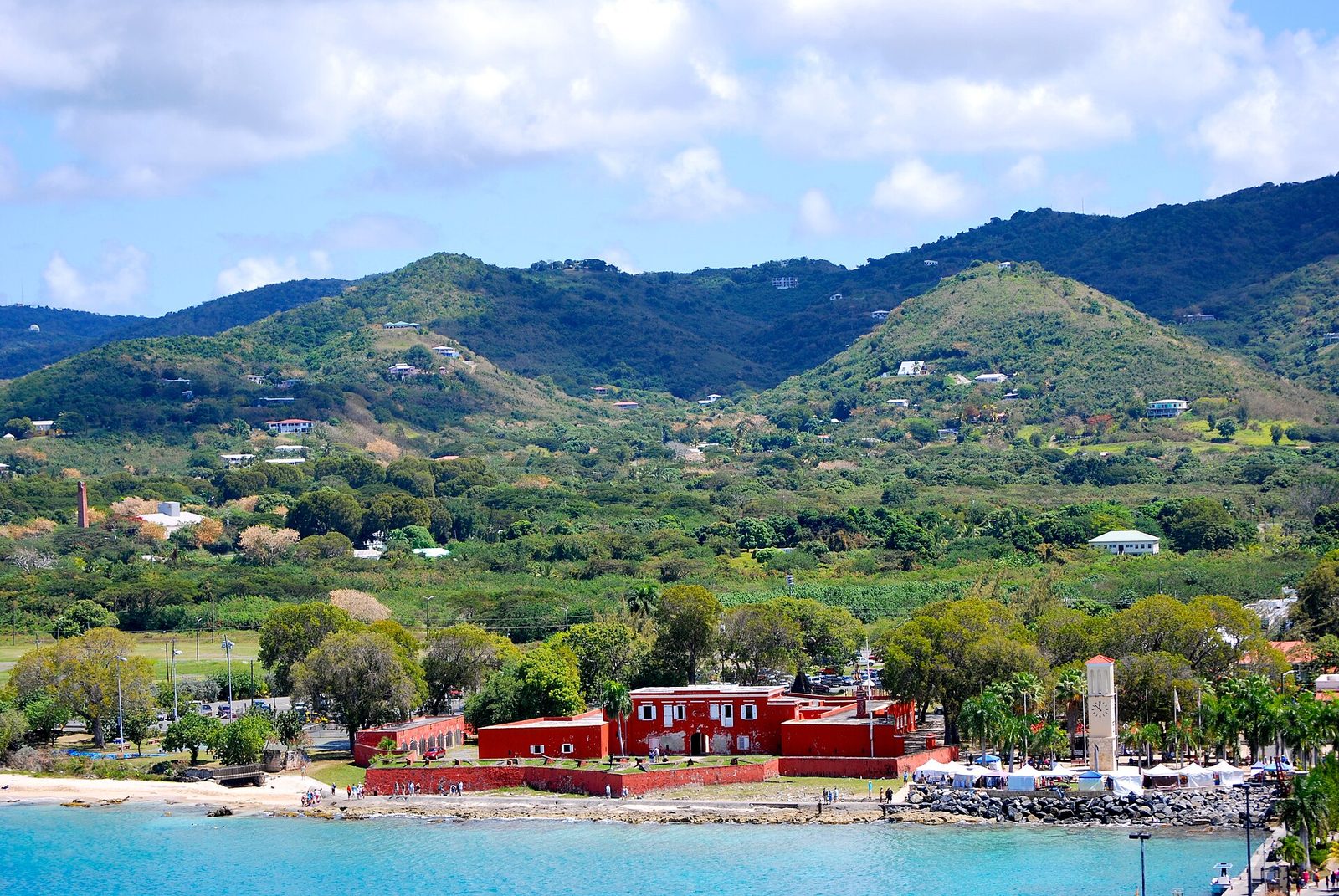
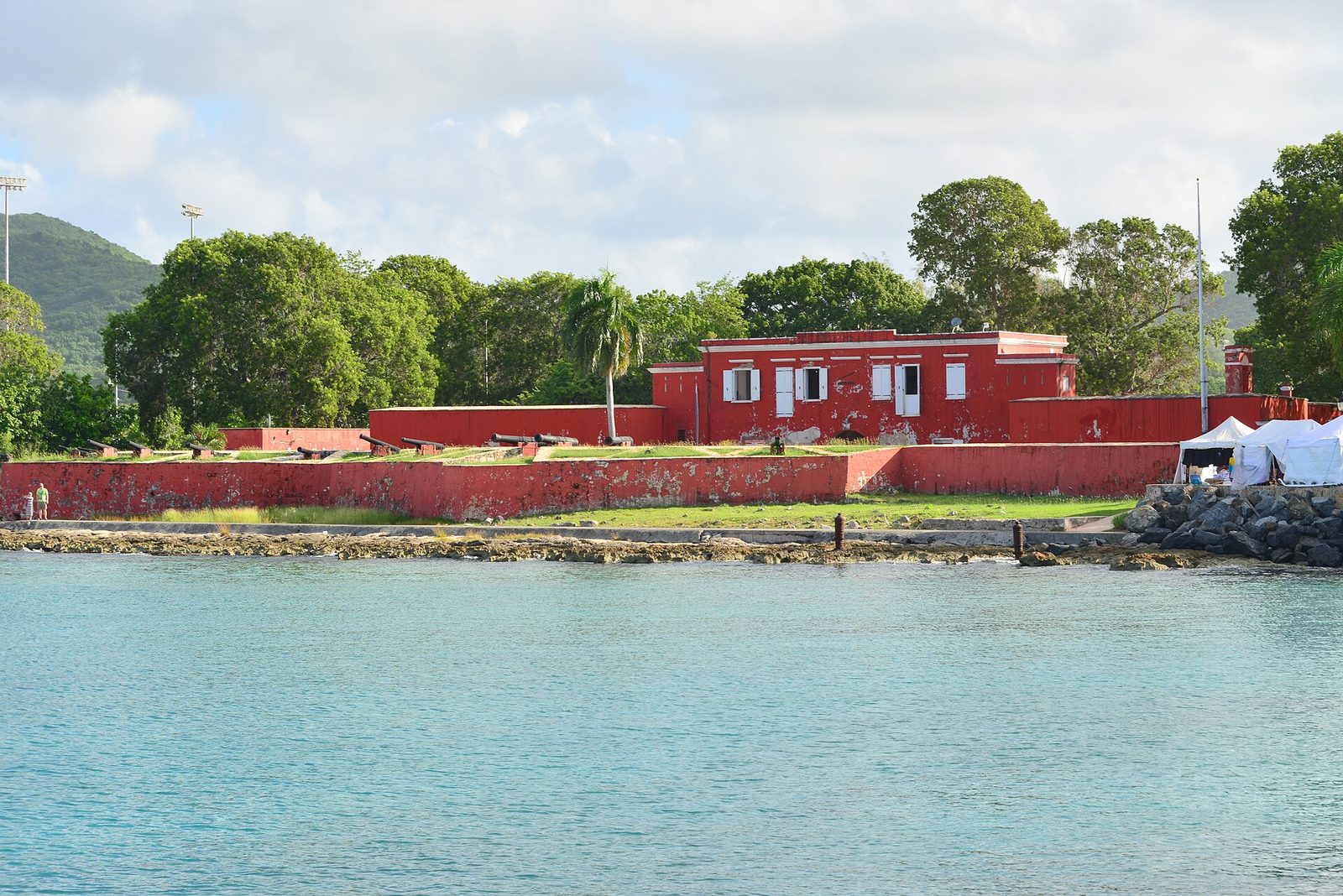
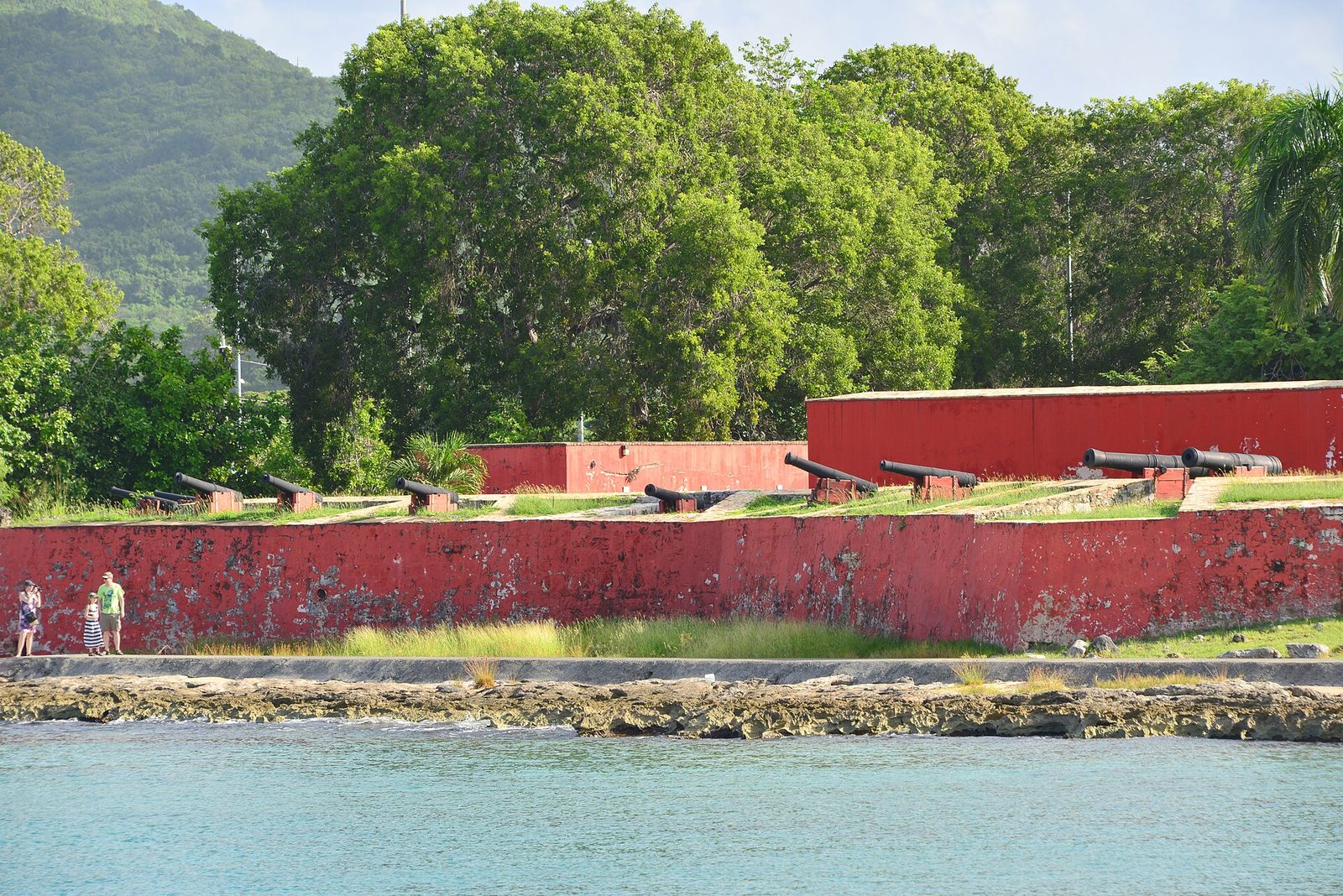
Fort Frederik and the Frederiksted waterfront: the red Danish fort, built 1752–1760, where emancipation was proclaimed on July 3, 1848. Photo: Андрей Бобровский (CC BY 3.0)

St. Croix in 1848: a sugar island

Denmark bought St. Croix from France in 1733 and did what every colonial power did with flat Caribbean land: it surveyed the island into estates and planted them in sugar cane. By the 1840s St. Croix was the plantation island of the Danish West Indies, more than a hundred estates, each with its windmill or animal mill, its boiling house, its great house and its village of the enslaved. Christiansted, on the north coast, was the capital and the port for the eastern estates; Frederiksted, laid out in 1751 on the sheltered west coast, served the western ones from a deep roadstead where ships loaded sugar and rum.

The people who did the work were African and African-descended, and by 1848 most had been born on the island. Denmark had banned the transatlantic slave trade with effect from 1803, so almost half a century had passed since the last legal shipload; the enslaved population had settled into families, estate villages and churches. At the time of the emancipation St. Croix had about 17,000 enslaved people and about 5,000 free Black residents, alongside a small white population of planters, managers, merchants, soldiers and officials.

The estates whose names come up in the story of 1848 are all in the west and center of the island. La Grange, just north of Frederiksted, is where the Danish records say the man remembered as General Buddhoe was born. Estate Slob, in most tellings, was the home of Martin King, remembered as Admiral King. Their windmill towers, and dozens of others like them, still stand along the roads you will drive. Freedom was not an abstraction in those villages: the British islands within sight of St. Thomas had ended slavery in the 1830s.

About 17,000Enslaved on St. Croix in 1848
About 5,000Free Black residents
About 8,000Marched on Frederiksted
12 yearsDenmark's timetable
1752–1760Fort Frederik built

What Denmark had planned: the decree of 1847

Denmark liked to point out that it was the first European state to outlaw the slave trade, by an edict of 1792 that took effect in 1803. It was in no hurry to do the same for slavery itself. Through the 1830s and 1840s the question was argued in Copenhagen between the Crown, the colonial office and the planters, who wanted compensation and delay, and von Scholten, who wanted a schedule the enslaved could believe in. What came out was a compromise that satisfied no one on the island.

The royal decree of July 28, 1847, as it is usually summarized, said two things. Children born after that date were free from birth. Everyone else would be free after twelve years, in 1859. Von Scholten had it read from the pulpits of the islands' churches on September 18, 1847, which is how most of the enslaved learned the terms. Think about what those terms meant on an estate. A woman would nurse a free infant while she and her older children remained enslaved. A man of forty would work in the cane until fifty-two. And nobody could be sure the date would hold, because the planters were lobbying to soften it.

Two other things were in the air in the spring of 1848, and historians of the rising point to both: it was Europe's year of revolutions, with Denmark itself moving toward a constitution, and France abolished slavery in its colonies that April, with word of Martinique and Guadeloupe reaching the Danish islands in the following weeks. It is a reasonable guess, and no more than a guess, that the news shortened the patience of people told to wait until 1859. Either way, what happened next was not a gift that arrived early; it was a plan of twelve years cut to one afternoon by the people it was written about.

  1. 1733Denmark buys St. Croix from France and surveys it into sugar estates
  2. 1752–1760Fort Frederik is built on the Frederiksted waterfront
  3. 1803Denmark's 1792 ban on the transatlantic slave trade takes effect
  4. 1827Peter von Scholten becomes Governor-General of the Danish West Indies
  5. July 28, 1847Royal decree: children born free, everyone else free in twelve years
  6. July 2, 1848Conch shells and estate bells call out the western estates overnight
  7. July 3, 1848Von Scholten proclaims all the unfree in the Danish West Indies free, at Fort Frederik
  8. Jan 8, 1849Buddhoe, deported aboard the Ørnen, is landed at Port of Spain, Trinidad
  9. Oct 1, 1878The Fireburn begins in Frederiksted on Contract Day
  10. 1998Bright Bimpong's Buddhoe bust and Freedom statue mark 150 years

Peter von Scholten, the man in the middle

Peter von Scholten was born in Vestervig, Denmark, on May 17, 1784, and spent most of his adult life in the islands. He governed St. Thomas and St. John from 1818 to 1820, became Governor-General of the Danish West Indies in 1827, and from 1835 held all three islands under his own hand. He was a soldier by training, a courtier by instinct, and by the standards of the planter class a dangerous reformer. He was also, in the plain language of the record, the chief official of a slaveholding colony for twenty-one years, and this guide will not pretend otherwise.

The person who most shaped his politics was Anna Heegaard, a free woman of color born in 1790, with whom he lived openly for years; the two bought the country house Bülowsminde, outside Christiansted, together. Modern scholars broadly agree that she pushed him toward more humane treatment of the Black population, and through the 1830s and 1840s he pressed the reforms the planters resented, among them country schools for the children of the enslaved. His brother Frederik von Scholten, an officer and amateur artist, drew the estates in those years; his 1838 view of Høgensborg is one of the pictures the histories use.

The 1847 decree was his compromise as much as the King's. He had argued for a fixed schedule; the planters had argued for none; twelve years was the number Copenhagen settled on. So on the night of July 2, 1848, he was the man who had promised freedom in 1859, and on July 3 he was the man with the authority to move the date. He was in Christiansted, about seventeen miles east of Frederiksted by the cross-island road, when the first messengers rode in. What he did next, everyone agrees on: he went. What he was thinking on the road is what the trial in Copenhagen was about.

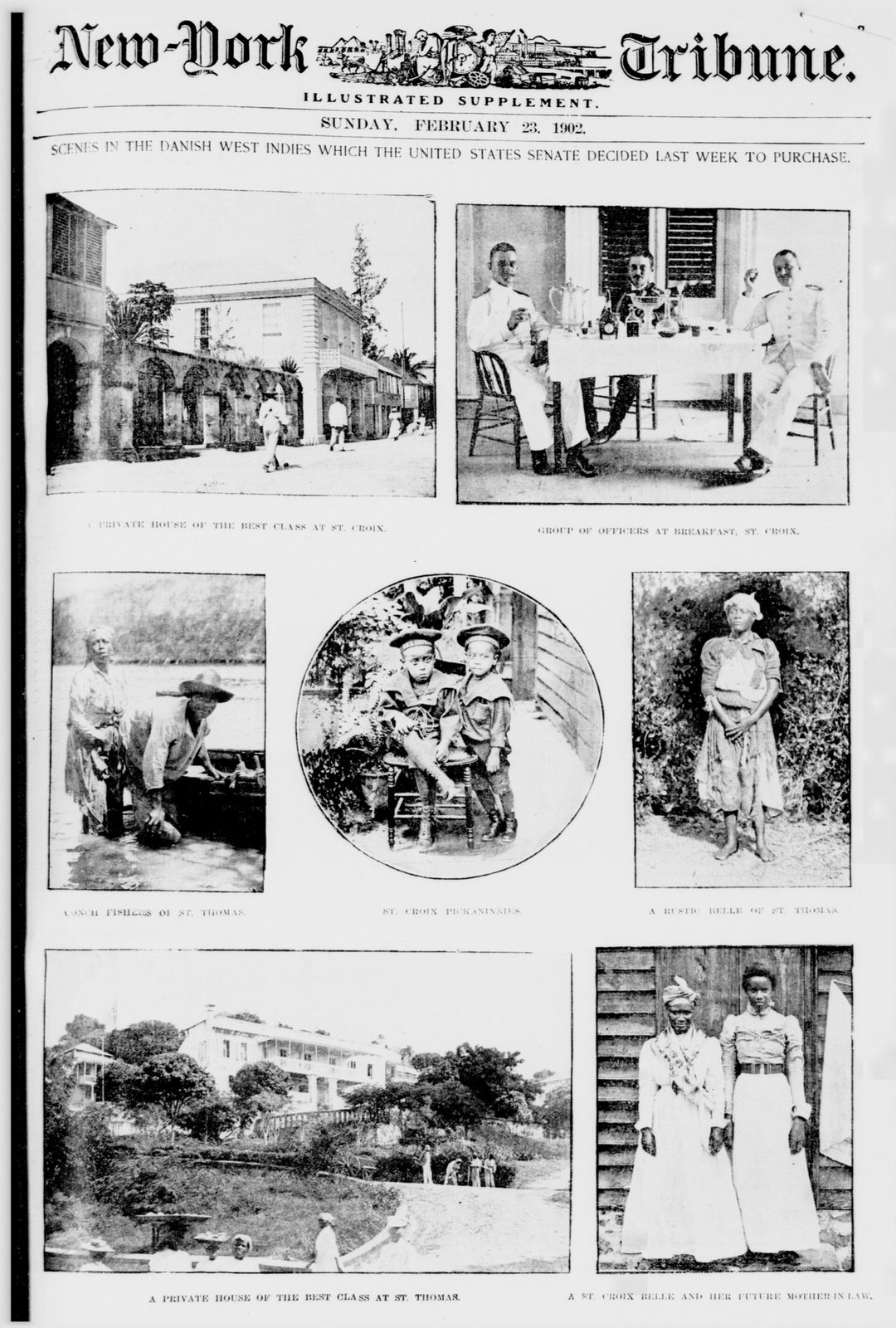
Scenes in the Danish West Indies which the United States Senate decided last week to purchase LOC 4231382350
St. Croix as artists and photographers recorded it, from Danish-era prints and paintings to twentieth-century photographs. Photo: The Library of Congress (No restrictions)

General Buddhoe and Admiral King, and what the sources call them

The march had leaders, and the first honest thing to say about them is that the sources do not agree on their names. The man Crucians remember as General Buddhoe appears as Moses Gottlieb in the Frederiksted tradition and on the park by the fort, which is named for General Moses Gottlieb. The Danish records, as translated in Kathleen D. Dowling's archive-based book A Closer Look, call him John Gottlieb, with Moses as an alias; the surname also turns up as Gottliff, and the nickname as Budhoe and Buddoe. We use Buddhoe, as the park does, and John Gottlieb where the record is speaking.

What the record says, according to Dowling's translations as reported in the Virgin Islands Daily News, is more than most guides know. He was born on March 19, 1820, at La Grange, the estate just north of Frederiksted, and was 28 in the summer of 1848. He was a Lutheran; his mother was Maria Rosina, and he had two sisters, Leah, called Sanchy, and Mathilda. He was arrested in 1840 for theft and given thirty lashes, and again in 1841 for theft and for running away as a maroon; our Maroon Ridge guide covers where the maroons went. The file calls him a "tall, strong-built, handsome black man" who dressed like a gentleman.

Whether he was free or enslaved in 1848 is a second disagreement. Some accounts call him a freedman, or a freed slave and skilled craftsman; most Crucian accounts call him an enslaved craftsman. The 1841 charge of running away as a maroon points to a man who was enslaved at least then, and we lean that way, but we flag it rather than settle it. His second was Martin King, remembered as Admiral King, from Estate Slob in most tellings and a leader of the rising alongside Gottlieb. Others were involved whose names the record keeps and the guidebooks drop.

The titles were the marchers' own: the ranks a disciplined movement gives its leaders, and the discipline of the crowd on July 3 is one of the few things every source agrees on. Here is the rest of what they disagree on, in one table, so you know which version you are hearing at the fort.

PointOne versionAnother versionWhat this guide uses
Given nameMoses Gottlieb (Frederiksted tradition, the park's name)John Gottlieb (Danish records via Dowling, with Moses as alias)Buddhoe in prose, John Gottlieb where the record speaks
Nickname spellingBuddhoeBudhoe, BuddoeBuddhoe, as on the park
Free or enslaved in 1848A freedmanAn enslaved craftsman (most Crucian accounts, the 1841 maroon charge)Probably enslaved, flagged rather than settled
Size of the crowdThousands, no figureAbout 8,000 (most accounts)About 8,000
The deadline the crowd setNoonFour o'clockAfternoon either way
Hour of the proclamationAbout 3 pmAbout 4 pmMid-afternoon
After Trinidad, January 1849New York by 1850 (some accounts)Nothing certain (said to have been exiled)Unknown

The night of July 2: conch shells and estate bells

The rising was organized in secret over the weeks before, estate to estate, in the west of the island, and it was timed for the night of Sunday, July 2, the one day the enslaved were not in the fields, when people could move and talk. The signals were the ordinary sounds of estate life turned to a new purpose. Because the enslaved were forbidden to communicate between plantations, conch shells had long been used to send calls across distances; the estate bells that rang the gangs to work were rung now for the opposite reason. The Freedom statue by the fort, of a man blowing a conch, is a portrait of that night.

Through the dark, people left the estate villages and walked toward Frederiksted, joining up on the roads. By the early hours of Monday, July 3, they were at the edge of town and then in it. One account has hundreds gathered peaceably outside Fort Frederik, refusing to work the next day and demanding freedom, and about 8,000 by the following morning; other accounts put the crowd in the thousands without a number. Whatever the count, it was far larger than anything the town could contain or the fort could face down.

What is easy to miss, standing in the quiet park today, is the organization this took. Thousands of people from dozens of estates arrived in one town on one morning with one demand, without a printing press or a telegraph, under a law that punished movement between estates and any gathering at all. That is not a riot. It is a plan, and the fact that so few of the planners' names survive is a comment on who kept the records. By full daylight the crowd held the waterfront, the streets around the fort and the roads in.

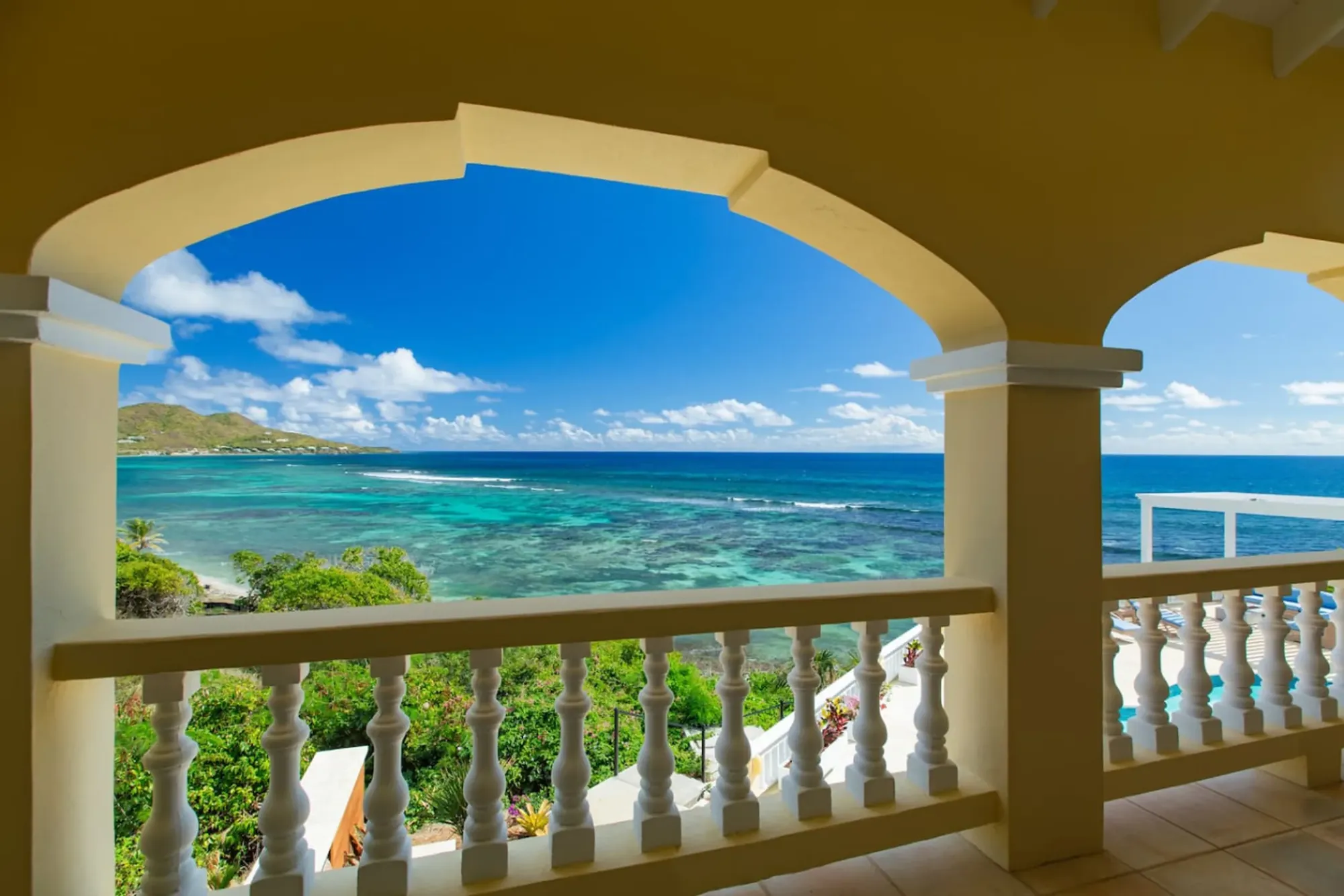
Turquoise bay framed by the villa's arched veranda
The Cerulean

Plan it from the villa.

Five bedrooms, a private swimmable beach, and all of this within a day trip.

Sleeps 12 · 4.90 ★ · rates by season

The morning of July 3: the crowd, the fort and the ride from Christiansted

Fort Frederik held a small garrison, its commander in most tellings a Major Gyllich, and it was a fort built to face the sea, not the town behind it. The soldiers did what a small garrison does with a crowd of thousands: they kept the gate, sent riders east for the governor-general, and waited. A few blocks inland, the parish history of St. Patrick's records that its founding pastor, Father Timothy O'Ryan, worked that day to secure the emancipation and to calm the crowd. The morning was a standoff whose outcome depended on a man who was not yet there.

What the marchers wanted was clear and, by every account, stated: freedom, that day, for everyone. What they threatened, if they did not get it, was the town. Some tellings say by noon and some say by four o'clock; the deadline is one of the details the accounts do not agree on. What matters more is what they did not do. Through the whole morning, with a town at their mercy and a fort that could not have stopped them, the crowd in Frederiksted, by every account we have read, burned nothing and killed no one. That restraint is why the day is remembered as an act of self-liberation rather than a massacre.

Von Scholten got the news in Christiansted and set out west along the cross-island road, roughly the line of today's Queen Mary Highway, past estates that were emptying toward Frederiksted. He arrived in the afternoon. The accounts put the proclamation at around three o'clock or around four, and they differ on where he stood: on the fort's rampart in most Crucian tellings, in front of the fort facing the crowd in others. The choice in front of him was the one the trial in Copenhagen would later pick apart: order the garrison to fire and start a war he could not win, stall and lose the town, or move the date. He moved the date.
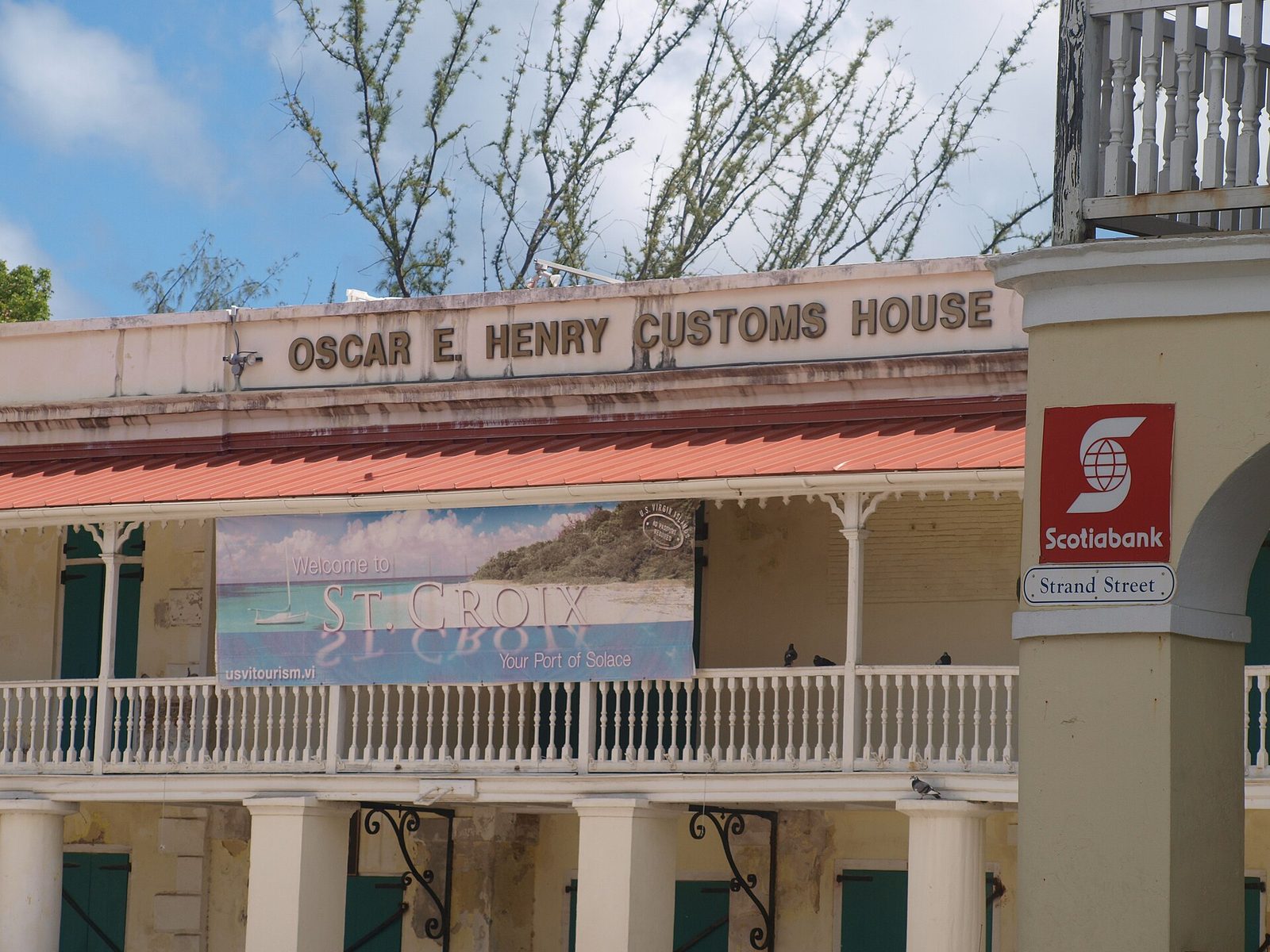
Oscar E. Henry Customs House
Frederiksted, Freedom City: the west-end town whose waterfront and streets filled with marchers on the morning of July 3, 1848. Photo: Mrgiarc (CC BY-SA 3.0)

The proclamation

What von Scholten said is not in doubt, because it was written down and printed the same day. Its first article, quoted below in the English rendering usually given, is short enough to memorize, and the translations differ only in the last word: some render it "free" and some "emancipated." Either way, it covered every enslaved person on all three islands, St. Croix, St. Thomas and St. John, not just the people in front of the fort.

The proclamation had four points, and the other three matter as much as the first, because they are where the trouble started. The people on the estates were to keep the use of their houses and provision grounds for three months. Labor from now on was to be paid for by agreement, and the allowance of food that estates had provided was to stop. The old and the infirm who could not work were to be maintained by their former owners until further notice. In other words: you are free; you have a roof for ninety days; and you will need wages, from the people who owned you yesterday, on terms nobody had written down.

The crowd got what it had come for. The bell in the south tower of St. Patrick's rang out for freedom, the parish history says; the town emptied of the people who had walked in overnight; and by evening the Danish West Indies had, on paper, no enslaved people. The formal notice went out over the islands and eventually to Copenhagen, where the government, after argument, let it stand. Denmark never repealed the proclamation. What it did instead, over the next year, was write the law that governed the free.

“All unfree in the Danish West Indies are from today emancipated.”

Governor-General Peter von Scholten's proclamation at Fort Frederik, July 3, 1848, first article, in the usual English rendering

The days after: estates plundered, troops out, a pact with Buddhoe

The proclamation ended slavery; it did not end the week. In the days after July 3 the unrest moved out of Frederiksted and into the countryside, where the four points were less clear and the managers were still in the great houses. Some estates were plundered. The militia and the soldiers went out; people were shot, and the accounts do not agree on how many. Spanish troops were sent from Puerto Rico at the Danish request to help hold the island. None of this undoes July 3, but it belongs in the same story.

What is striking in the record is what Buddhoe did next. He worked with the governor and other officials to end the riots and violence, and the older tellings have him riding through the western estates with the fort's officers, telling people that freedom was won and to go home. In an 1852 letter to a Maria Eide, reported from the Danish archives, von Scholten wrote that he and Buddhoe had worked collaboratively and had a pact regarding emancipation. Whether that pact predated July 3 or was struck at the fort is an open question; either way, the man who called the estates out then talked them down.

It did not save him. Buddhoe was taken into custody and, as the next section tells, held at Fort Frederik and then Fort Christiansvaern before he was put on a ship. It did not save von Scholten either. Ill, under attack from the planters and from officers who thought he had surrendered to a mob, he handed over the government and sailed for Denmark within two weeks of the proclamation. He never came back. And it did not settle the estates: the administration that followed spent the winter writing the rules that became the 1849 labor law, which is why this guide has to keep going for another thirty years.
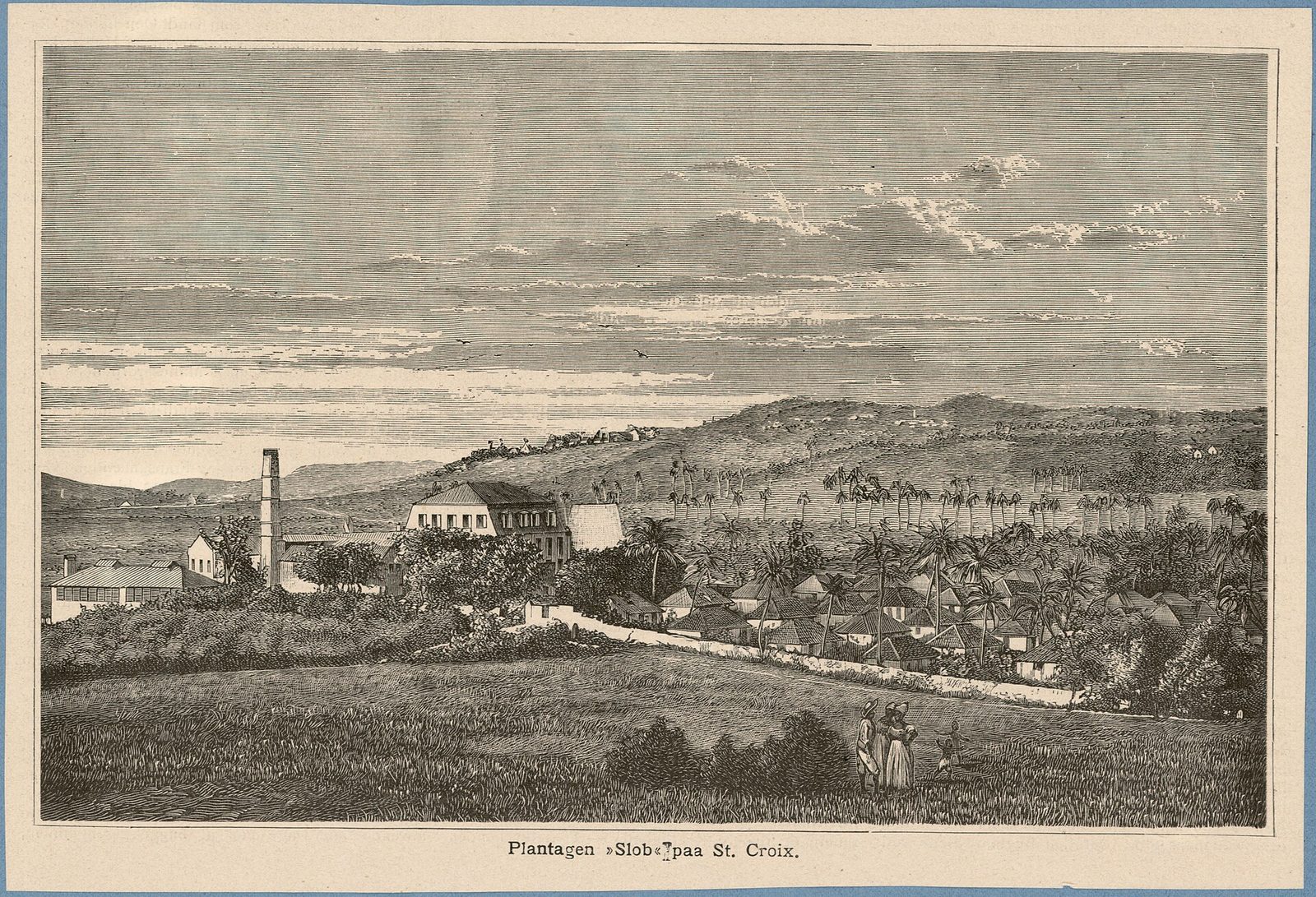
Slob (Danish West Indies)
St. Croix's sugar estates, in period drawings and in ruin today: the plantation world the marchers of July 1848 walked out of, and were sent back to under contract. Photo: Unknown author Unknown author (Public domain)

What became of Buddhoe

Here the Danish archives are precise where the popular story is vague. According to Dowling's translations as reported in the Virgin Islands Daily News, Buddhoe was held at Fort Frederik and transferred on July 24, 1848, to Fort Christiansvaern in Christiansted, where he was held for 139 days. He asked the court for leave to go to one of the English colonies, and the request was granted: a passport for Tortola, money and letters of recommendation, and a berth aboard the Danish naval ship Ørnen in December 1848. Its captain, Carl Irminger, is recorded as having threatened him on the voyage and confiscated his belongings.

The ship did not leave him at Tortola. It landed him at Port of Spain, Trinidad, on January 8, 1849. From there the trail thins. Some accounts, including the St. Thomas Source's 2025 history of emancipation, have him making his way to New York City by 1850. The honest register is that he is said to have been jailed and exiled to Trinidad: after 1849 nobody knows for certain where John Gottlieb lived or where he died, and Crucian tradition has filled the gap in several ways. If a guide at the fort tells you a definite ending, ask where it comes from.

Two things are worth doing with this. Stand in the courtyard of Fort Christiansvaern the next time you are in Christiansted, which our Christiansted guide covers, and count off the 139 days from July 24. And remember that deportation with a passport and letters was not clemency; it was the state removing the most capable organizer on the island so that the estates could be put back to work under new rules. He was 28. He never saw St. Croix again, so far as anyone has found.
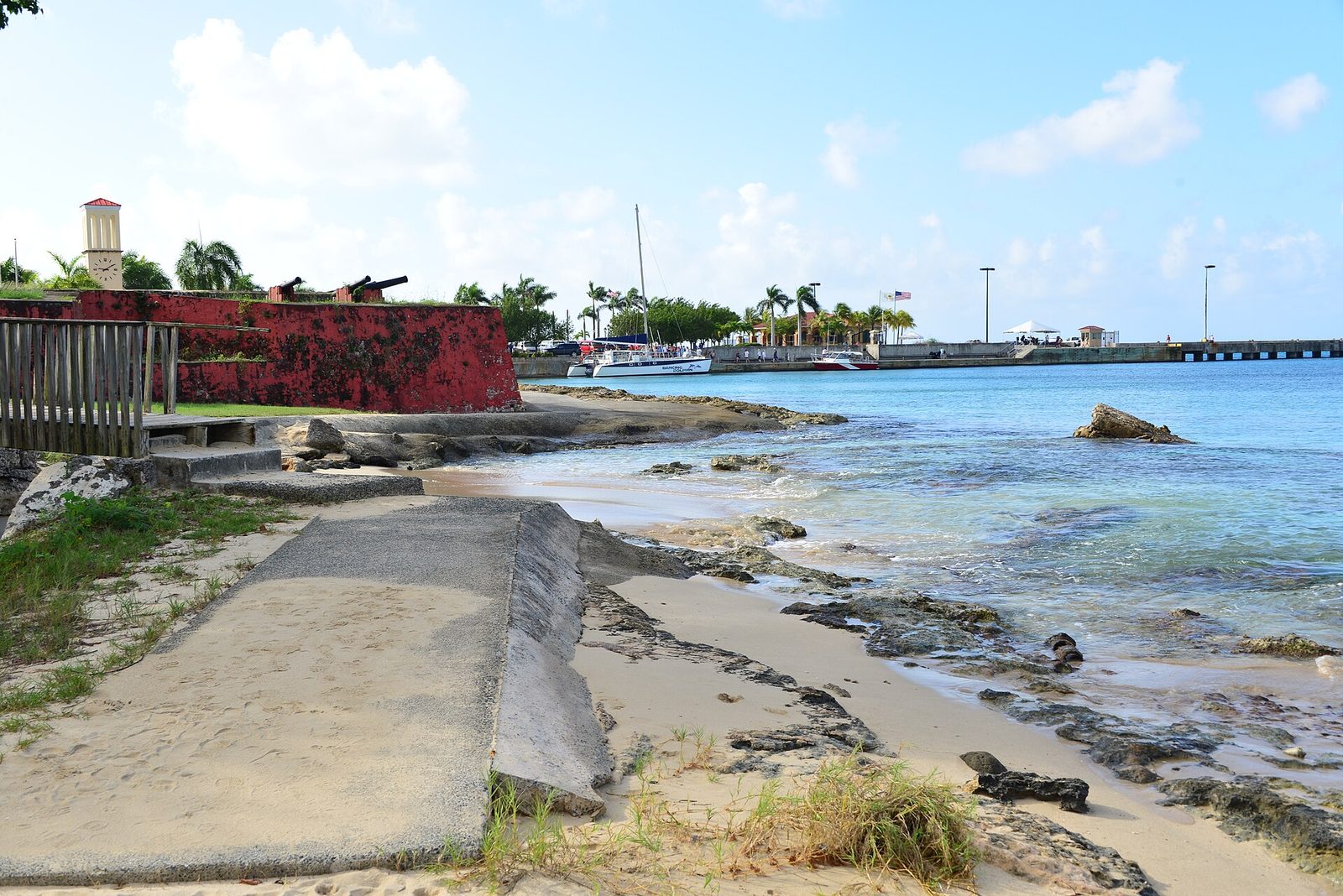
Frederiksted Southeast, St Croix 00840, USVI - panoramio (4)
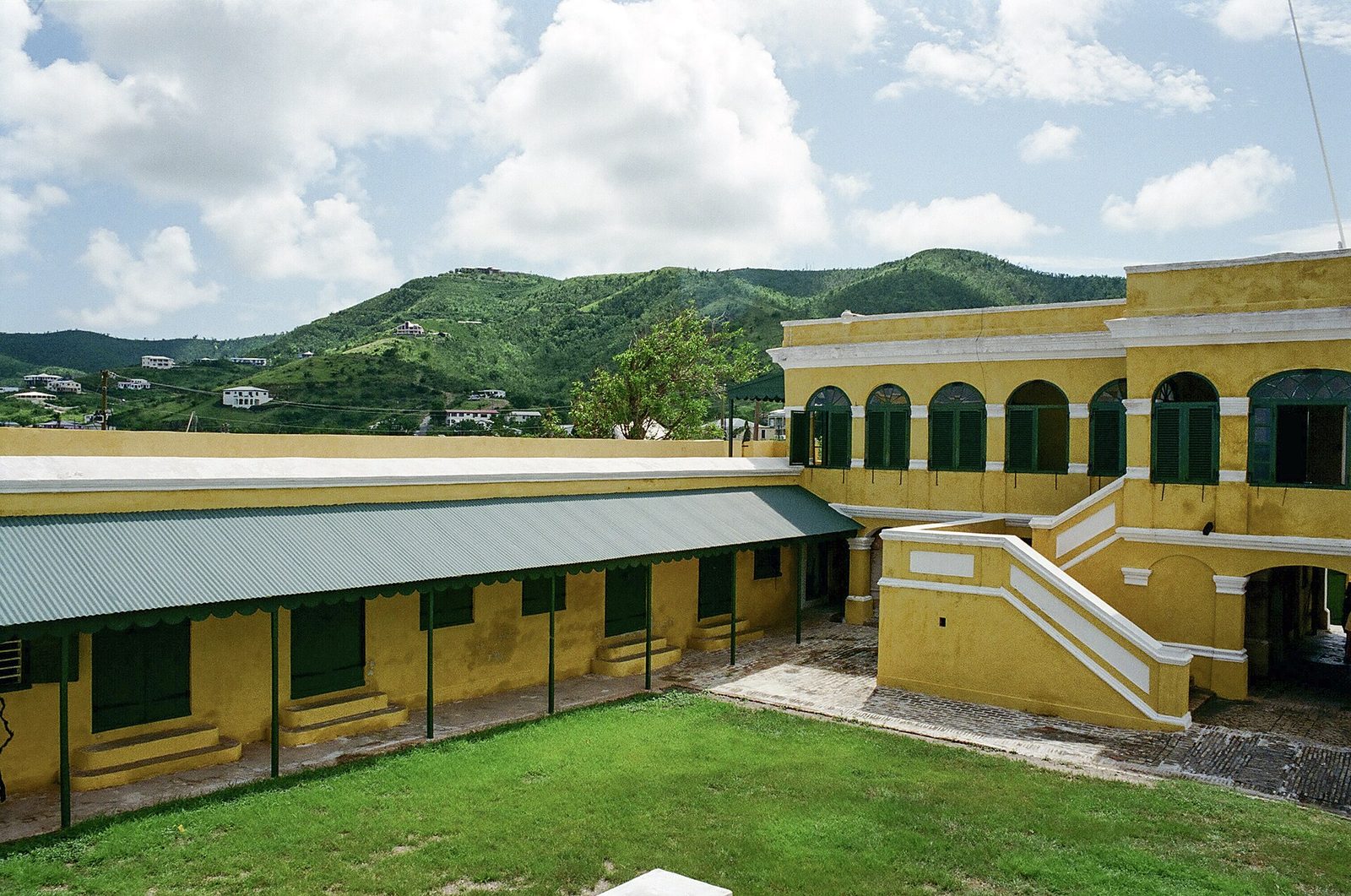
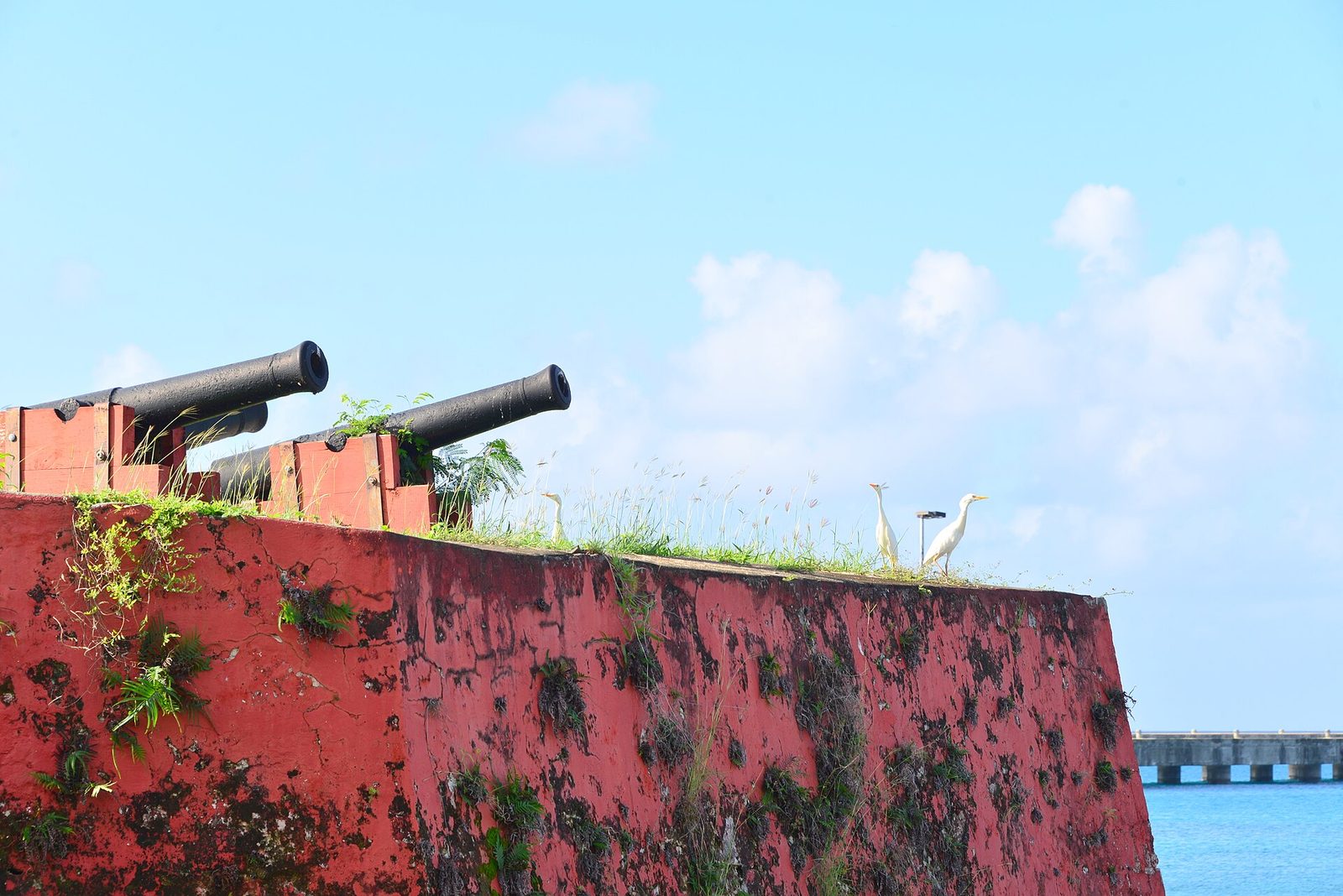
Photo: Андрей Бобровский (CC BY 3.0)
Frederiksted, St Croix 00840, USVI - panoramio (3)
Photo: Андрей Бобровский (CC BY 3.0)
Strand St, Frederiksted, St Croix 00840, USVI - panoramio
Photo: Андрей Бобровский (CC BY 3.0)

What became of von Scholten

Von Scholten's return to Denmark was not a homecoming. He was subjected to a humiliating and hard trial for treason, on the argument that by abolishing slavery he had undermined colonial interests, and he was at first denied his pension. The planters wanted a scapegoat and the colonial office wanted the record to show that emancipation had been forced, not granted. The proceedings dragged through the early 1850s.

His own words did not help him with either. It is tempting to make July 3 von Scholten's day, and the trial in Copenhagen did exactly that, from the other direction. But the man himself, in August 1848, wrote in a memorandum that he had not emancipated the enslaved; they would have taken freedom themselves, and the King owed no one compensation for it. That is from the Danish archives, as reported from Dowling's book: as close to a confession of the true order of events as a governor was going to give.

He was eventually cleared of the charges and acquitted shortly before his death; the standard accounts put the acquittal in 1852. He died on January 26, 1854, in Altona, then in Danish Holstein and now part of Hamburg. Anna Heegaard stayed on St. Croix and died there in 1859. In Denmark he has been rehabilitated in the way nations rehabilitate awkward men, with a 1987 feature film that treats him as the hero of July 3; in the Virgin Islands he is remembered more carefully, as the official who signed what the marchers had already decided.

How to hold both at once is the question the museum leaves you with, and it is worth taking seriously rather than picking a side. He was the governor of a slave colony for twenty-one years. He also, on a July afternoon, with a town at stake, chose the words that ended slavery in the Danish islands rather than the order to fire on the crowd, and he paid for it with his career. Both are true. And after July 1848 the person in charge of what freedom would mean was a new governor and a colonial legislature dominated by the men who had just lost their claim to other people.

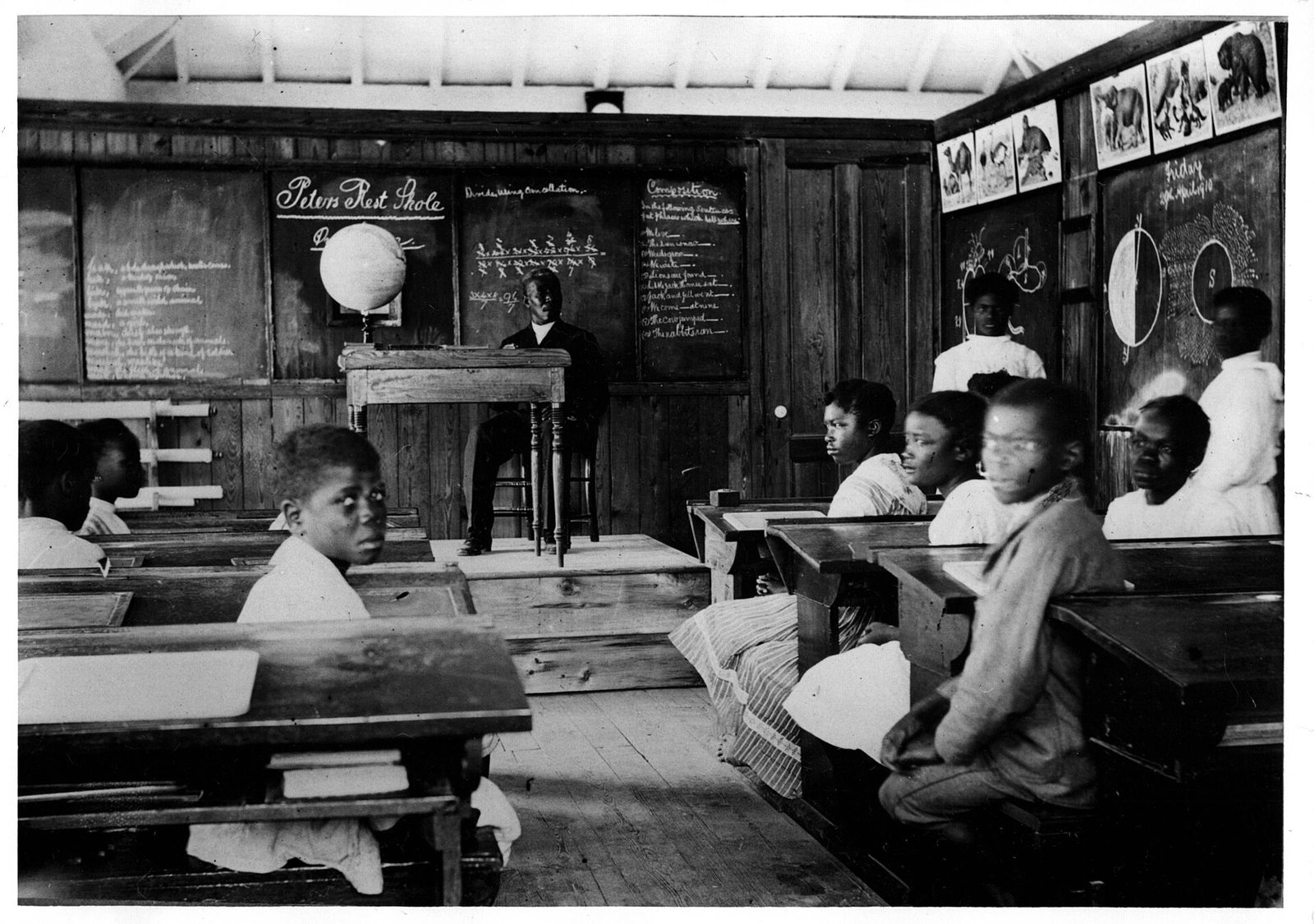
Class in a class room, Peter’s Rest Skole (9468858371)
Life in the Danish West Indies around 1900, from the National Museum of Denmark's photographs: the generations after 1848, still working the same estates and towns. Photo: National Museum of Denmark from Denmark (No restrictions)

Free, but bound: the 1849 labor law and the road to the Fireburn

Freedom on paper met the estate on October 1, 1848, when the three months of houses and provision grounds ran out. Over the winter the colonial government wrote a labor regulation, issued in January 1849, that shaped Crucian life for thirty years. As usually summarized: rural workers were bound to yearly contracts on the estate where they lived; wages were fixed by class at a few cents a day, with housing and a provision plot counted as pay; and October 1 was the one day in the year a worker could lawfully change estates. The law kept the cane cut. It also made the freed, in practice, tenants of the people who had owned them.

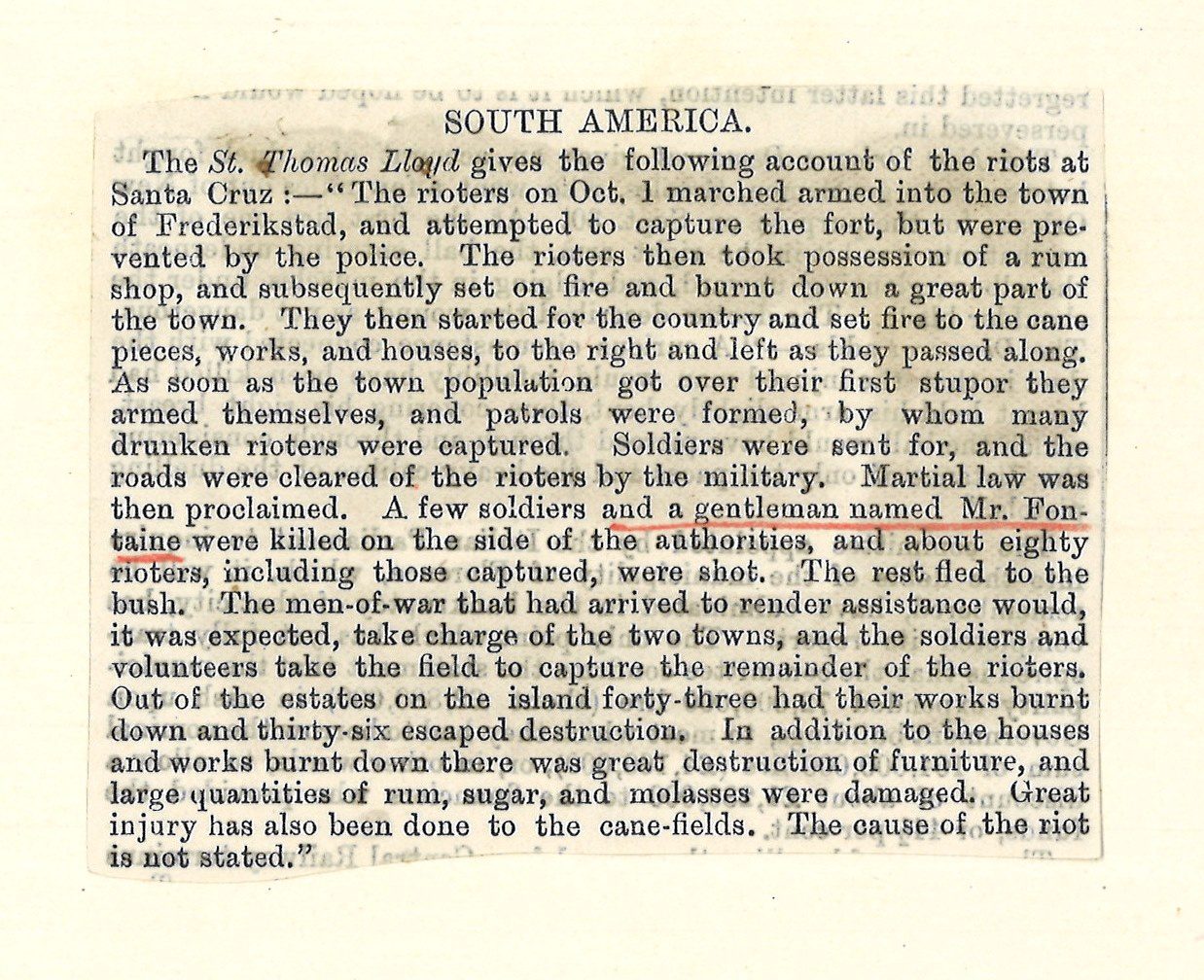
The resentment built for a generation, and on October 1, 1878, Contract Day, it broke in Frederiksted. Workers who had gathered in town for the annual change rose, and over the following days much of Frederiksted and many estates across the west and center of the island were burned. Crucian memory gives the revolt to three women, the Queens: Mary Thomas, Queen Mary, whose name is on the highway you will drive in on; Axeline Salomon, Queen Agnes; and Mathilda McBean, Queen Mathilda. They were tried and imprisoned in Copenhagen, and the labor law was repealed soon after. Frederiksted was rebuilt in the Victorian style you walk through today.

What belongs here is the connection. The Fireburn is not a separate story from July 3, 1848; it is the second act of the same one. The proclamation freed people and left the land, the mills and the law with the planters, and the 1849 regulation turned that into a system. Thirty years to the day after the first Contract Day, the system burned. When you stand at Buddhoe Park and look at the town, you are looking at both dates at once: the waterfront where freedom was proclaimed and the streets that had to be rebuilt because it was incomplete.

The Fireburn- St. Croix Labour Revolt, 1878 (28436989024)
The Fireburn of October 1878 in a contemporary illustration: the labor revolt that burned much of Frederiksted thirty years after emancipation. Photo: Archives New Zealand from New Zealand (CC BY-SA 2.0)

Emancipation Day: July 3 today

July 3 is Emancipation Day, a public holiday in the U.S. Virgin Islands; government offices close and the governor issues a statement each year, the 178th anniversary in 2026. It sits the day before the Fourth of July, and the two holidays run together on St. Croix as a long weekend; Frederiksted, Freedom City, is where the weight of it lands.

The program is community-run and changes from year to year, so treat what follows as the shape rather than the schedule. In recent years the day on St. Croix has included an early-morning freedom walk from fort to fort, a church service, and an afternoon program of speeches, music and tributes at Buddhoe Park in Frederiksted, at the bandstand by the fort. Frederiksted's celebration, typically around the Fourth, has games for children, orators and historians, quadrille dancers, food and craft vendors, and fireworks from the pier. Anniversary years get more: 1998 brought the statues, and 2023, the 175th, had its own program.

If your stay includes July 3, go, and go as a guest. Expect the roads into Frederiksted to be busy or closed near the waterfront, parking to be scarce, and the fort and the park to be full of Crucian families for whom this is not a spectacle. Listen to the speeches; the historians who speak at Buddhoe Park know the record best, and the quadrille is the island's own culture, which our quelbe and mocko jumbie guide explains. Buy from the vendors. Ask before you photograph people. Bring water and a hat; July on the west end is hot. The St. Croix Source and the VI Consortium publish the schedule the week before.

Buddhoe Park and the Freedom statue

Buddhoe Park is the small green with the bandstand at Custom House Street and Strand Street, beside the fort and a few steps from the pier landing. It is named for General Moses Gottlieb, and it holds two of the three bronzes that the Ghanaian-American sculptor Bright Bimpong made in 1998 for the 150th anniversary of emancipation. The best known is the bust of Buddhoe himself, which stands in the Freedom Fountain in front of the Oscar E. Henry Customs House, the two-story Danish customs building with the long upper gallery facing the park.

The second piece is called Freedom, and it is the one you will see on the postcards: a man, unnamed, blowing a conch shell, with a sugar-cane machete raised in his other hand. The Danish museum that now holds a copy describes it as a symbol of the release of the enslaved and the struggle for freedom; the figure is blowing the call of the night of July 2. Bimpong's third bronze is a bust of D. Hamilton Jackson, the labor leader and newspaper founder of the 1910s, whose own holiday, Liberty Day, is November 1.

The statues have traveled. Copies of all three were sent to Denmark, where the Virgin Islands Daily News reported they would be shown in prominent Danish museums, and a cast of Freedom, given by the Virgin Islands to Denmark for the 2017 centennial of Transfer Day, stands at Asiatisk Plads in Copenhagen, outside the Foreign Ministry. That is a pointed place for it.

What to do there: read the plaques, walk around the bust rather than posing in front of it, and then turn and look at the fort's landward wall, which is what the crowd was looking at. Fifteen minutes is enough. The park is free and open, and on Emancipation Day it is the center of everything.

Fort Frederik today: the museum

Fort Frederik was built by Denmark-Norway between 1752 and 1760, at the water's edge on the north side of what is now the pier, to guard the roadstead and its trade and to ward off pirates. It is named for King Frederik V, like the town, and painted a deep red with white trim, the opposite of Fort Christiansvaern's yellow. It is a low, plain, business-like fort: a courtyard, ramparts with cannon facing the sea, an arcade, a handful of rooms. It was listed on the National Register of Historic Places on October 8, 1996, and named a National Historic Landmark on September 25, 1997.

The fort's other famous claim, that its guns answered a salute from an American ship in 1776 and so gave the first foreign salute to the new United States, is real but disputed, and our Frederiksted guide gives it its due. For this guide the fort is the place of July 3, 1848, and that is what the museum inside is built around: exhibits on the fort's history and the emancipation, a gallery with changing art shows, the courtyard, and the ramparts. When Jack Delano photographed the interior for the Farm Security Administration in December 1941, the Library of Congress captioned it "the old fort built by the French," which it was not.

Practicalities, hedged, because St. Croix hours change without notice. As of 2026 the museum lists Monday to Friday 8:30 am to 4 pm and Saturday 1 pm to 4 pm, plus openings when a cruise ship is at the pier, and it is closed Sunday. Admission is quoted at $5 by one listing and $10 by another, with children free with a paying adult on the first; budget ten. Call 340-772-2021 the day before, especially for a Saturday or a holiday. Give it an hour inside and a second on the walls, where you see the pier, the sea, and, behind you, the road the marchers came in on.

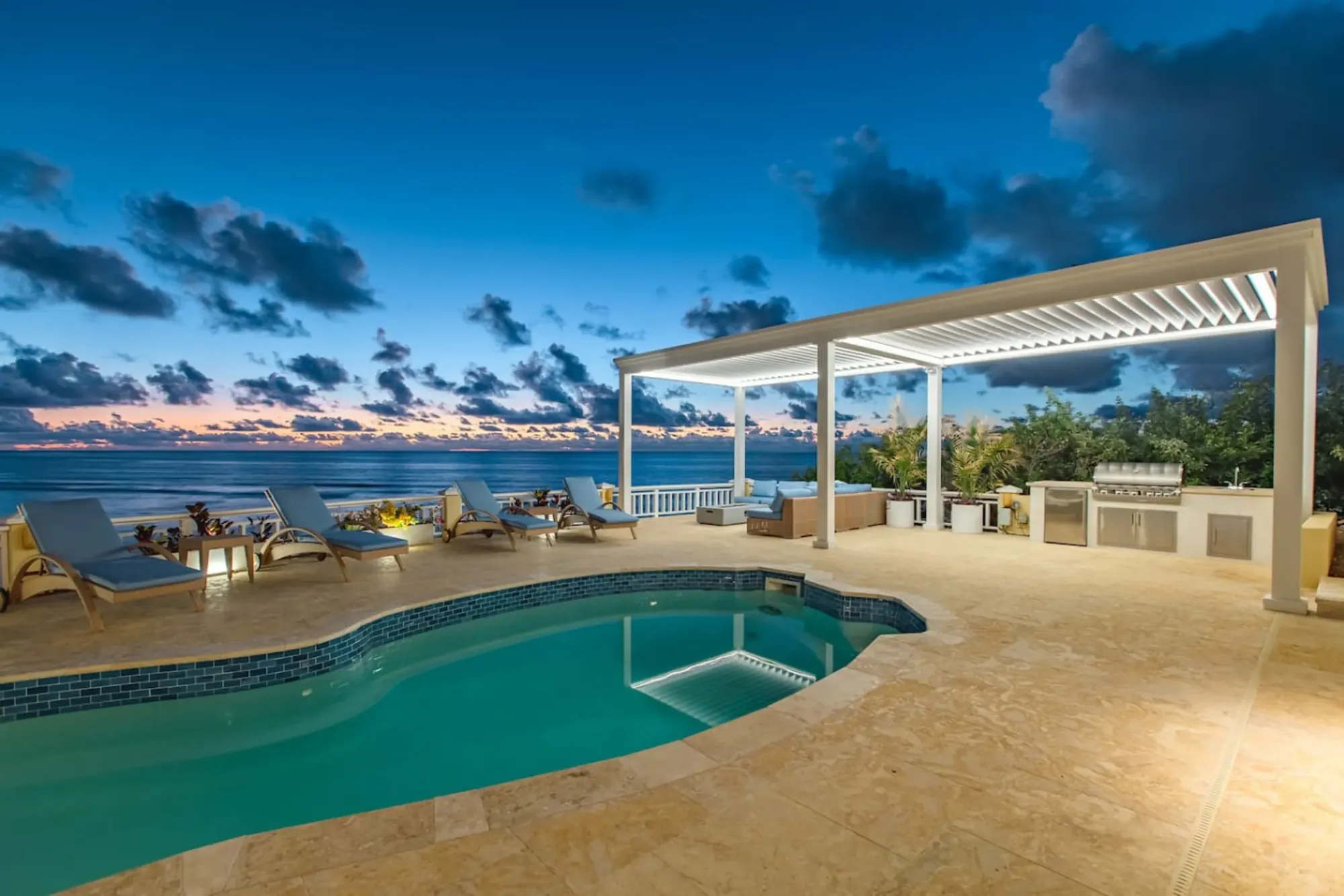
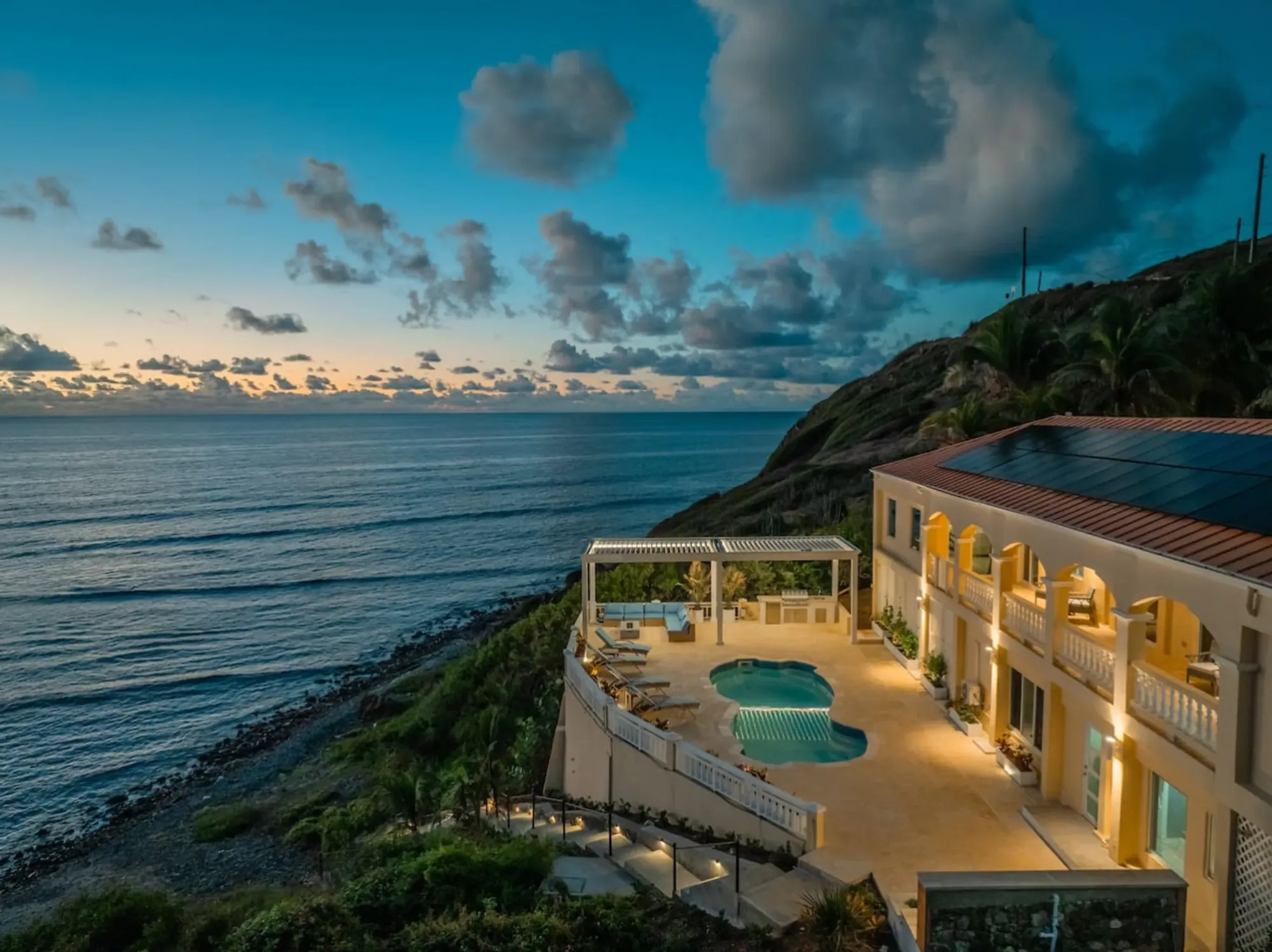
The Cerulean's pool at sunset above the sea
The Cerulean

Twelve of you, one private beach.

The Cerulean sleeps twelve on St. Croix's quiet East End — check your dates.

Sleeps 12 · 4.90 ★ · rates by season

How to visit respectfully

Frederiksted is a working town of a few hundred people in its historic core, and the fort and the park are its front yard. The first rule is the one you would want at home: this is a place of memory for the people who live here, and their families were on the road that night. Behave in the fort as you would in a church you do not belong to. Read the exhibits before you climb the walls. Do not sit on the bust or the fountain for a photograph. If there is a ceremony or a school group in the park, wait, and if you photograph people, ask.

The second rule is language, and we have tried to keep to it in this guide: the people who marched were enslaved people, not slaves as a category of person; they freed themselves, and the governor proclaimed it. That is the usage of the Virgin Islands government and the museum, and visitors who pick it up are noticed. The third is money, which matters in a town that has been through Hugo, Marilyn and Maria: pay the fort's admission, buy lunch on Strand Street, and if there are vendors in the park on a holiday, buy from them.

The estates are a different case. La Grange, where the record says Buddhoe was born, is the district just north of town on the way to Rainbow Beach, and Slob and the other names in the story are on the maps inland; most of the mill towers you can see are on private land, and none is a museum. Look from the road, photograph from the road, and go to Estate Whim, on the Queen Mary Highway east of town, for the one estate that is open, explained and honest about who did the work; the Landmarks Society keeps a research library there.

Finally, timing: a weekday morning is the quietest and coolest, a cruise-ship day the busiest, and a Sunday finds the museum closed and the park open. Emancipation Day is described above and is its own kind of day. Here is the ordinary half day, in order.

A respectful half day in Freedom City

  1. Arrive at Fort Frederik at opening on a weekday and read the emancipation exhibits before you climb to the ramparts.
  2. Walk out to Buddhoe Park: the bust in the Freedom Fountain, the customs house, and the Freedom statue with its conch.
  3. Go three blocks inland to St. Patrick's at Prince and Market Streets, whose bell rang on July 3, 1848, and step out if a service is on.
  4. Drive north past La Grange, the estate where the record says Buddhoe was born, looking from the road only.
  5. Take the Queen Mary Highway east to Estate Whim for the plantation side of the story, or stay in town for the sunset off the pier.

Reading the record: the Danish National Archives online

Most of what is solid in this guide, and most of what has been corrected in the popular story in the last decade, comes from paper in Copenhagen. When Denmark handed the islands to the United States in 1917 it took most of the colonial government's archive home, and for the centennial of the transfer in 2017 the Danish National Archives, the Rigsarkivet, digitized the Danish West Indies records and put them online, millions of pages, free, at virgin-islands-history.org, with English guides to what is where. The records that came with the islands are in the U.S. National Archives.

What is in the 1848 file, according to the Virgin Islands Daily News's account of Kathleen D. Dowling's book A Closer Look, translated by Niklas Thode Jensen, Birgit Christensen and Karen V. Sivertsen: von Scholten's memoranda and letters, including the August 1848 memorandum and the 1852 letter about his pact with Buddhoe; the testimony and detention records of John Gottlieb and of Admiral Martin King; the file on Anna Heegaard; and the papers of the men who prosecuted, shipped and replaced them. The birth date at La Grange, the 139 days at Christiansvaern and the landing at Port of Spain all come from these.

Two cautions before you open the site. The records are the enslavers' paperwork: estate lists, tax rolls, court files, church books. The enslaved appear in them by first name, by estate and by valuation, and the words used are the words of 1848. And the site is large and only partly indexed by name, so a casual search will not turn up an ancestor in an evening; genealogists on St. Croix and the historians who work the archive are the people to ask, and the cultural and historic listings in our directory are the place to start on island. Tradition got the big things right; the archive is filling in the names and dates.

Questions people ask

Why did emancipation in the Danish West Indies happen on July 3, 1848?

Because the enslaved people of St. Croix forced it. Denmark had decreed in 1847 that slavery would end in twelve years, with only newborns free at once. On the night of July 2, 1848, the western estates rose, called out by conch shells and estate bells, and by the morning of July 3 about 8,000 people had surrounded Fort Frederik in Frederiksted demanding freedom that day. Governor-General Peter von Scholten came from Christiansted and proclaimed all the unfree in the islands free that afternoon.

Who was General Buddhoe?

The leader of the 1848 rising, a craftsman from Estate La Grange, just north of Frederiksted; the sources disagree on whether he was enslaved or free that summer. Danish records, as translated in Kathleen D. Dowling's book A Closer Look, call him John Gottlieb, born March 19, 1820; Crucian tradition and the park named for him say Moses Gottlieb. He organized the march, then rode the estates helping to end the unrest, was jailed at Fort Frederik and Fort Christiansvaern, and was deported in December 1848.

What exactly did von Scholten proclaim at Fort Frederik?

Four points, in the English rendering usually quoted: all unfree in the Danish West Indies were from that day free; the people on the estates kept the use of their houses and provision grounds for three months; labor was from then on paid by agreement, with the food allowance ending; and the old and infirm who could not work were to be maintained by their former owners until further notice. The first sentence is on the plaques; the other three set up the labor disputes that followed.

What happened to Buddhoe after emancipation?

According to the Danish records, he was held at Fort Frederik, moved on July 24, 1848, to Fort Christiansvaern in Christiansted for 139 days, then granted his request to leave for a British colony: he was issued a passport for Tortola, money and letters of recommendation, and put aboard the naval ship Ørnen in December 1848. The ship landed him at Port of Spain, Trinidad, on January 8, 1849. Some accounts place him in New York by 1850; after that, nothing is certain.

Was Peter von Scholten punished for freeing the enslaved?

He was recalled to Denmark within weeks, tried on the argument that he had undermined colonial interests by abolishing slavery, and at first denied his pension. He was eventually cleared and acquitted, not long before his death in Altona on January 26, 1854; the standard accounts put the acquittal in 1852. In an August 1848 memorandum he wrote that he had not emancipated the enslaved, that they would have taken freedom themselves, and that the King owed no one compensation.

Is Emancipation Day a public holiday in the U.S. Virgin Islands?

Yes. July 3 is Emancipation Day, a territorial holiday; government offices close and the governor issues an anniversary statement each year (2026 was the 178th). On St. Croix the observance centers on Frederiksted, Freedom City, and in recent years has included an early-morning fort-to-fort freedom walk, a church service and an afternoon program at Buddhoe Park. Frederiksted's festivities run into the Fourth of July, with fireworks off the pier. Programs change yearly; check the St. Croix Source or the VI Consortium the week before.

What are Fort Frederik's hours and admission?

As of 2026 the museum lists Monday to Friday 8:30 am to 4 pm and Saturday 1 pm to 4 pm, closed Sunday, with extra openings when a cruise ship is at the pier. Admission is quoted at $5 by one listing and $10 by another, children free with a paying adult on the first. Hours on St. Croix change without much notice, so call 340-772-2021 the day before, especially for a Saturday or a holiday.

How is the 1878 Fireburn connected to 1848?

Directly. After emancipation, a labor regulation issued in January 1849 bound rural workers to yearly estate contracts at fixed low wages, with October 1 the only day to change estates. On October 1, 1878, Contract Day, workers rose in Frederiksted and burned much of the town and many estates. Crucian memory credits three leaders, Queen Mary Thomas, Queen Agnes and Queen Mathilda, who were imprisoned in Denmark; the labor law was repealed soon after. Frederiksted's Victorian streets are the rebuilding.

Can I read the original Danish records about 1848?

Yes, in part. The Danish National Archives digitized the Danish West Indies records for the 2017 transfer centennial and put them online free at virgin-islands-history.org, with English guides. The records are in Danish and only partly indexed by name, so a casual search will not find much in an evening; Kathleen D. Dowling's book A Closer Look, built on translations by Niklas Thode Jensen, Birgit Christensen and Karen V. Sivertsen, is the readable route into the 1848 files.

How far is Fort Frederik from The Cerulean?

About 50 minutes by car each way, from the East End through Christiansted and then west along Route 70, the Queen Mary Highway, to Frederiksted; the fort is on the waterfront beside the pier, with Buddhoe Park next to it. Go on a weekday morning for the museum, and pair it with Estate Whim on the drive back or with the sunset off the pier, the only one on St. Croix that sets over open sea.

Doing it from The Cerulean

The Cerulean is on the East End; Fort Frederik is at the far West End, and the drive is about 50 minutes each way, on the island's roads and at Crucian speeds. The route is the whole island in one line: East End Road into Christiansted, then Route 70, the Queen Mary Highway, west through the center of the island past the estates and Whim to Frederiksted. It is worth doing once, deliberately, and this is the way we would build the day.

Leave the villa after breakfast, which the chef's kitchen is set up for, and be at the fort when it opens at 8:30 on a weekday; do the museum and the walls while it is cool. Buddhoe Park and the customs house take fifteen minutes. Lunch on Strand Street. Then either Estate Whim on the way back, which fits the afternoon exactly, or a swim off the town beach north of the fort and the sunset, the only one on St. Croix that goes down over open sea; the villa faces the other way. If you stay for the sunset, you will be home about 8.

The concierge can arrange a driver, which turns the cross-island road into an hour of looking at mill towers, and can point you to island historians who give guided tours of Frederiksted; ask early around July 3. Bring the children. The march is a story of courage and organization that a ten-year-old understands at once, the fort has cannon and walls, and the conch-blowing statue is a better lesson than most classrooms; our St. Croix with kids guide has more on pacing a history day.

And when you are back on the East End, with the sea in front of the veranda and the drive behind you, think about the seventeen thousand people who could not leave the island and the eight thousand who walked anyway. The fort's number is 340-772-2021.

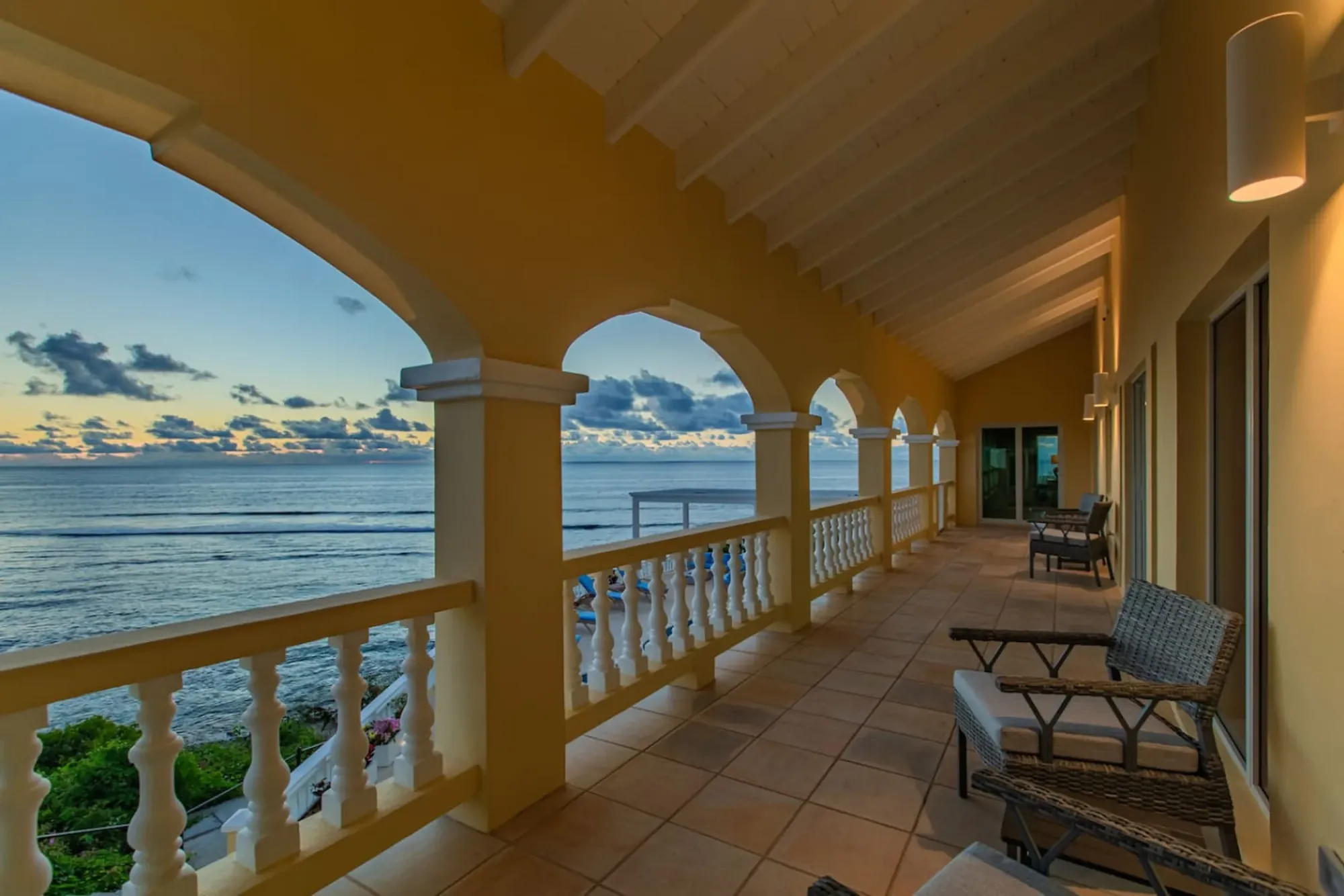
The Cerulean's arched veranda at sunrise on the East End; Fort Frederik and Frederiksted are about 50 minutes west, at the other end of the island and the day.
The Cerulean's arched veranda at sunrise on the East End; Fort Frederik and Frederiksted are about 50 minutes west, at the other end of the island and the day. Photo: The Cerulean

Sources

Facts in this guide were checked against these primary sources in 2026. Hours, prices and schedules change — confirm before you go.

  1. VI Daily News — Danish archives reveal new details on 1848 emancipation (Dowling, A Closer Look)
  2. VI Daily News — Jackson, Budhoe and Freedom statues to show in Danish museums
  3. Voices in the Shadows of Monuments — the Freedom sculpture in Copenhagen
  4. Museum Vestsjaelland — a gift from the people of the USVI (the Bimpong statues)
  5. Government of the U.S. Virgin Islands — July 3 marks 170 years since Virgin Islands Emancipation
  6. St. John Source — Governor Bryan statement on the 178th anniversary (2026)
  7. St. Thomas Source — Slavery, Emancipation, and the Continued March Toward Liberation (2025)
  8. VI Consortium — Emancipation Day: USVI Celebrates 173 Years of Freedom
  9. GoToStCroix — USVI Commemorates Emancipation in July
  10. Mystic Stamp — Emancipation Day in the US Virgin Islands
  11. WhichMuseum — Fort Frederik hours
  12. Danish National Archives — Danish West Indies sources of history
Keep reading

Related guides.

The Cerulean villa at dawn above the sea
The Cerulean

Read it here. Live it from the villa.

Five bedrooms, a private beach, and all of this within a day trip.

Sleeps 12 · 4.90 ★ · rates by season